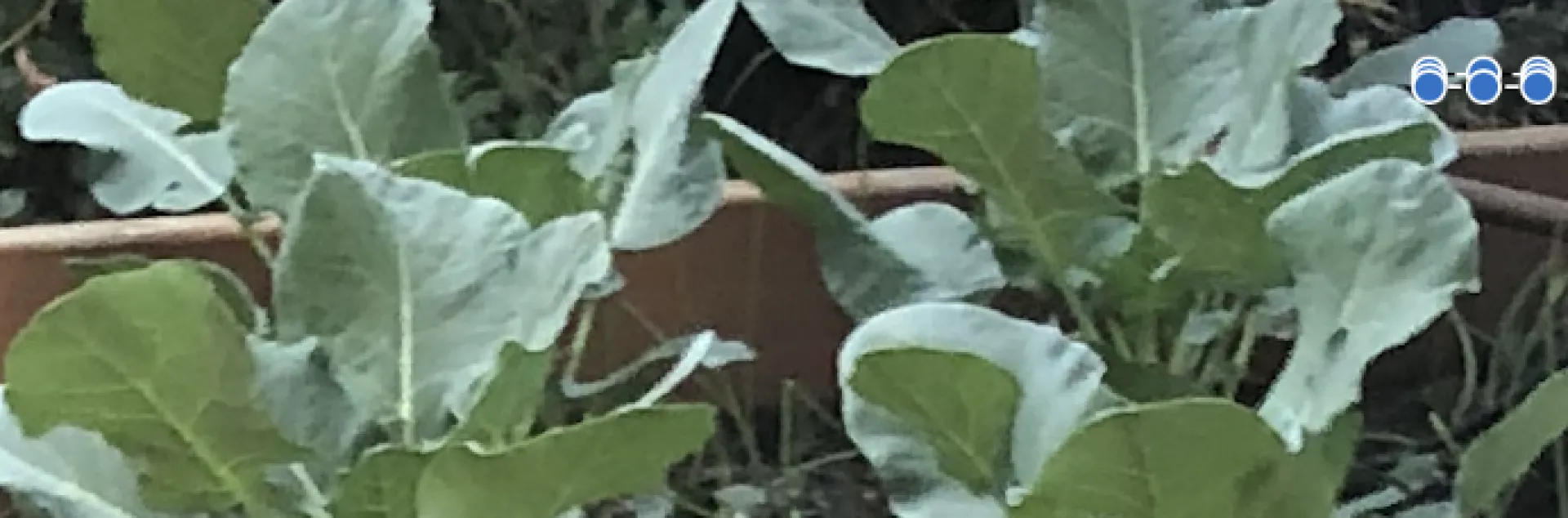
It may seem a bit early to talk about cool season vegetables but for those of us who like to start our own seedlings or maybe squeeze in two crops, July is the time to start preparing. With the right timing, soil preparation, and pest management, you can enjoy abundant harvests of these nutrient-packed vegetables.
Understanding Brassicas
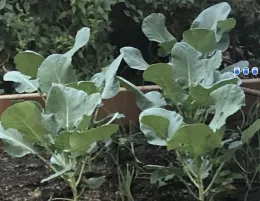
The Brassica family, also called cruciferous or cole vegetables, includes a wide range of leafy greens and heading crops. Brassica vegetables—such as cauliflower, broccoli, cabbage, kale, collard greens, and Brussels sprouts— known for their high vitamin content, antioxidants, and culinary versatility, are a rewarding choice for home gardeners. While each variety has its own requirements, they share similar growing requirements:
Cool temperatures
Most grow best between 55–75°F.
Adequate sun
A minimum of 4-6 hours sunlight daily, tolerate full sun.
Soil Preparation
Brassicas are heavy feeders, requiring fertile, well-drained soil high in organic matter.
Before planting:
Add nitrogen-rich amendments such as compost or aged manure to boost organic matter. Brassicas benefit from steady nitrogen availability.
Loosen soil to at least 12 inches deep to encourage strong root growth.
Planting Methods
Brassicas are frequently planted from transplants but can be started from seed. If planting from seed plant more seeds than necessary and thin. Plant seeds ½ inch deep with 36 inches between rows. Thin broccoli, kale, and collards to 12 to 18 inches apart; thin cabbage and cauliflower to 18 to 24 inches; thin Brussel sprouts to 24 to 30 inches.
If planting from transplants, plant when plants have a minimum of 4 to 6 leaves. Dig a fairly deep hole and plant so the first leaf is at soil level.
Watering Needs
Brassicas require consistent moisture—about 1–1.5 inches of water per week. Uneven watering can cause problems like split cabbage heads or poor cauliflower curds. Drip irrigation is ideal, as it keeps foliage dry and reduces disease risk.
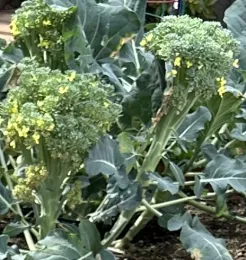
Fertilization
Because brassicas are nutrient-demanding, a split application of fertilizer works best:
At planting: Incorporate a balanced fertilizer (e.g., 10-10-10) or compost.
Mid-season: Side-dress with nitrogen fertilizer when plants are about half-grown to encourage steady growth.
Avoid over-fertilizing late in the season, as this can delay maturity and reduce quality.
Pests and Diseases
Brassicas are prone to certain pests and diseases, but with proactive management, you can keep them healthy. Below is a list of possible culprits that may attack your plants.
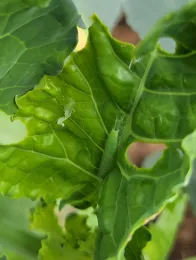
Leaf-feeding Caterpillars: These green caterpillars chew large holes in leaves and are difficult to see. Handpick and dispose or use Bacillus thuringiensis (Bt), a naturally occurring product.
Aphids: Small sap-sucking insects that cluster on leaves. Control with insecticidal soap or strong water sprays.
Flea Beetles: Tiny black beetles that create small holes in leaves. Use row covers early in the season.
Powdery Mildew: A whitish powder on leaves. Prevent or control early using a fungicide.
Resources
UC IPM Cultural Tips for Growing Broccoli
UC IPM Cultural Tips for Growing Cabbage
UC IPM Cultural Tips for Growing Cauliflower
UC IPM Cultural Tips for Growing Brussel sprouts
For more information on pests and diseases of Brassicas, we recommend the following:
Leaf-feeding Caterpillars
https://ipm.ucanr.edu/home-and-landscape/leaf-feeding-caterpillars/#gsc.tab=0
Aphids
https://ipm.ucanr.edu/home-and-landscape/aphids/#gsc.tab=0
Flea Beetles
Damping off disease
Barbara Kissinger Santos has been a UC Master Gardener in Stanislaus County with UC Cooperative Extension since 2024