Heatwaves above 95 °F are showing up more often in citrus and avocado growing areas, pushing fruit surface temperatures to the point of damage along with damage to leaves and the canopy. Sunburn is no longer a rare problem: in avocado, for example, repeated hot, clear days can quickly lead to severe sunburn on exposed fruit and major losses at grading.
In the 1961 CA Avocado Society Yearbook, Art Schroeder described temperature damage to avocado fruit and concluded:
It is conceivable that under conditions where heat injury to fruit tissue may be a major problem that some modification of the environment could be developed to reduce this injury. Shading of exposed fruit or provision of a temporary fruit cover such as a fruit spray of such quality and color to reflect radiant heat could markedly reduce fruit tissue injury. Modification of other ecological factors such as soil reflection, fruit and tree shading, air movement and relative humidity conceivably could affect fruit temperatures in a favorable manner. Schroeder, C.A. & Kay, E. 1961 Temperature conditions and tolerance of avocado fruit tissue California Avocado Soc. 45 87 92
So, shade nets; overhead and undercanopy microsprinklers; sunburn suppressants, such as kaolin sprays (AlSiO3), talc (Mg SiO3), calcium-based products (PurShade, Screen Duo, Reflections, Eclipse, Diffusion, etc.), biobased coatings (Raynox, Parka); cover crops; pruning regime; and even paper bag wrapped fruit, all have shown promise keeping the orchard cooler and fruit free from sunburn. The challenge is finding the right mix of treatments that protects your yield without costing too much in installation, application, labor, or water. A wonderful discussion of different methods is found at a Washington State University webpage - severe sunburn correction methods. Across a wide variety of fruit crops, a scientific review on sunburn reports in depth on methods of preventing sunburn and heat damage to fruit and orchard.
Shade nets have become a key strategy in apple and stone fruit regions that face frequent heat and sunburn. They have also been tried in CA and Israeli avocado orchards. By reducing incoming radiation, nets lower fruit and air temperature under the canopy and can also protect against hail, wind, and bird damage. For high value blocks, that combination can dramatically cut severe sunburn and stabilize pack out. However, nets are a long-term commitment. They require investment in posts, cables, and fabric, and they can change how machinery moves through the block or how you spray and prune. If you later switch varieties or need to reconfigure rows, the net structure is not easy to adapt, which is why many growers only install nets on their most profitable hectares.
Spray-on mineral films based on kaolin clay or calcium-based solutions have been used for many years to reflect light and reduce fruit surface temperature. Trials in apples show that a well-managed program can lower fruit surface temperatures by several degrees and significantly reduce visible sunburn compared with untreated trees. Calcium-based products create a similar reflective film and are widely used where nets or cooling systems are not practical. These materials are available as conventional and organic product registrations. They are applied as liquids at 2-4 gallons mixed with water for coverage. The kaolin is a dry material applied at 25-50 pounds per acre. The products need to be applied multiple times to maintain cover on expanding leaves and fruit.
The mineral protectants are flexible: you can adjust dose and timing to the season and focus on the most exposed rows. The tradeoff is appearance. At higher rates or later applications, the white film can remain visible at harvest, and in some markets that raises concerns about color and wash off on the packing line. Important to note that these minerals in powder form can be more difficult to mix, and the risk of clogging nozzles can be higher than with liquid formulations, depending on agitation/filtration/nozzle setup and water quality. Check with the packinghouse before committing to a given product.
Bio-based reflective coating, such as Parka and Raynox are newer options that ai to combine the flexibility of spraying with a clear formulation. One is a phospholipid and the other a wax. Neither impairs transpiration, and act by reflecting the sun. They are both liquids applied at lower rates than mineral-based ones but still need repeated applications to protect expanding fruits and leaf canopies. They are applied at sufficient spray volumes to get good coverage. They tend to be more expensive than mineral-based ones.
Sprinklers and fogging systems cool the canopy by evaporation, using water to absorb heat from the leaves and fruit surface. In regions with abundant water and good infrastructure, these systems can sharply reduce sunburn and help maintain color and firmness in heat sensitive cultivars. They are often used together with nets on very high value orchards.
For many growers, though, water volume and timing are limiting factors. Evaporative cooling can use significant water volumes which the grower can control, and the system needs close monitoring during each heat event. A blocked nozzle or pump failure on the hottest afternoon of the year can undo the benefit very quickly, so this method is best reserved for situations where you can guarantee supply and supervision.
Cover crops and mulches can effectively reduce orchard temperatures. Covers do it by increasing orchard humidity and decreasing soil heating both of which reduce air temperatures. Mulch acts to reduce mineral soil heating but reduces air temperatures somewhat less than a cover crop. Both need to be in place long before the anticipated heating events.
Fruit bagging has been used in Asia for a long time to protect individual fruits not only from sunburn, but also insects and disease. It’s a labor-intensive process and often used in conjunction with fruit thinning to increase the size and esthetic quality of the fruit. It’s not common practice in California.
The use of antitranspirants can effectively reduce excessive water loss through transpiration, especially under drought stress conditions. However, the fact that transpiration is reduced by an antitranspirant means evaporative cooling decreases. The temperature of leaves and fruits increases; it is therefore not surprising that in several studies, antitranspirants did not reduce the incidence of sunburn and in fact increased damage to citrus (south-african-fruit-journal-safj/safj-2011/2542-sa-fruit-journal-april-may-2011-sunburn-reduction-on-miho-wase-satsuma-mandarin/file).
All the available technologies are capable of reducing sunburn and orchard damage, but none alone will completely eliminate it. The sun burn tolerance cultivars of fruit crop must certainly be combined with other means of strategies to minimize sun burn in fruit crops. GEM and Lamb Hass carry their fruit in the canopy interior while many other varieties have more exposed fruit. Growers should identify which areas are more susceptible to sunburn, what control strategies can be employed in each area, and which areas have the best chance of achieving good returns on the additional investment.
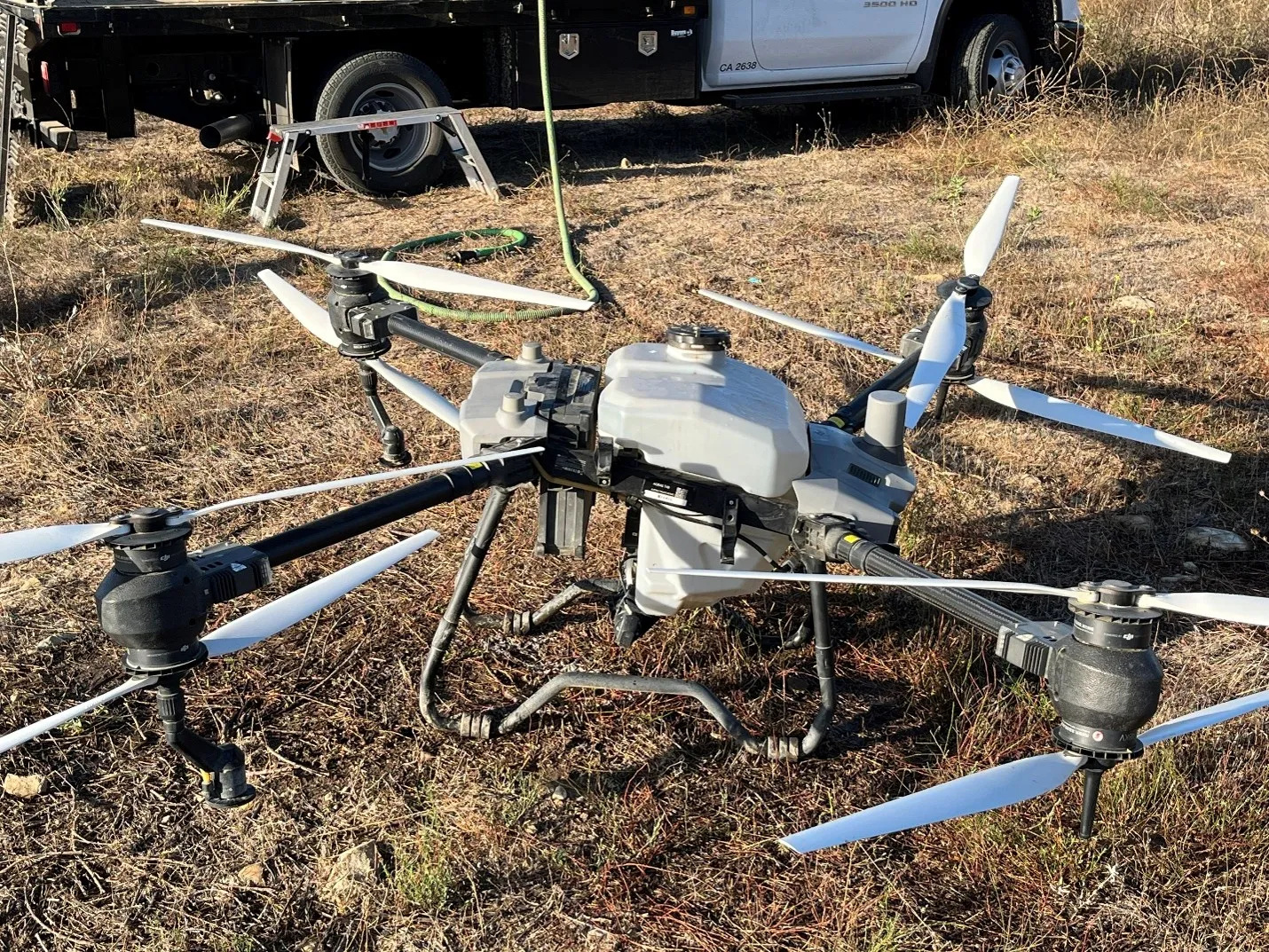
New drone application techniques may make it easier and cheaper to apply sunscreens.