
Fall is usually a quiet time in the garden. Summer crops are winding down, the days are cooler, and the first big rains are still ahead.
This year, many California gardeners are keeping one eye on the sky.
A record-strength El Niño is building in the Pacific Ocean. In an Oct. 12 update on his Weather West blog, UC ANR climate scientist Daniel Swain wrote that it raises the odds of a wetter-than-average winter across California, with the biggest effects likely from December through March.
That doesn’t mean every garden will flood. A very strong El Niño in 2015–16 left much of Southern California with near or below normal rain. But a little preparation now can protect your soil, plants and trees if heavy storms do arrive. And the best time to do it is while the ground is still dry.
What Is El Niño?
El Niño is a natural event that happens when part of the Pacific Ocean near the equator gets warmer than usual. That warm water changes the winds high in the sky, which can push more storms toward California.
It raises the chances of a wet winter. It can’t tell us exactly what will happen in your neighborhood. That’s why it pays to prepare for a range of possibilities.
1. Learn How Water Moves Through Your Yard
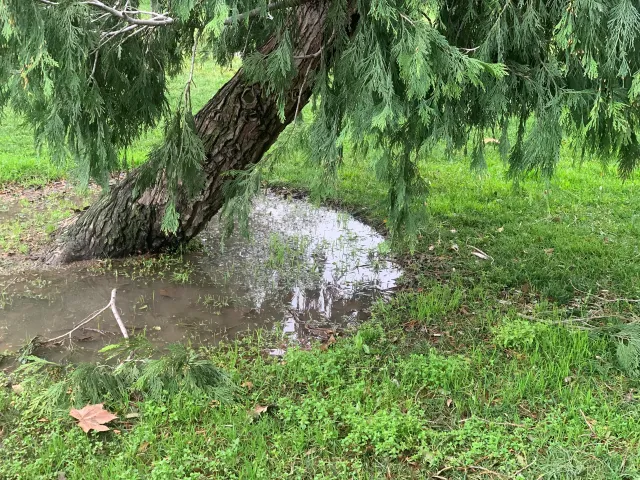
Every yard has its own drainage story. Water runs off roofs, collects in low spots and sometimes heads straight for your favorite flower bed.
Think back to past storms. Where did puddles form? Which beds stayed soggy for days? Where do your downspouts empty?
What to do: Take a walk around your yard and make a few notes. Clean gutters, drains and culverts so water can move freely, and clear fallen leaves and other debris. If you think you may need sandbags, pick them up early. You can also enter your address on the state’s MyHazards website to see if your area is prone to flooding.
2. Give Roots Room to Breathe
Plant roots need air, too. Healthy garden soil is full of tiny spaces that hold both water and air. When those spaces fill completely with water, roots can’t get the air they need and become more likely to rot.
One common problem in wet soil is Phytophthora root and crown rot, a soilborne disease that is favored by wet conditions. According to the UC Statewide Integrated Pest Management Program (UC IPM), almost all fruit and nut trees and most ornamental trees and shrubs can develop it if the soil around them stays wet for long periods. Tomatoes, peppers and other vegetables can be affected, too.
What to do: Look for spots where water tends to stand around plants and improve drainage where you can. UC IPM recommends avoiding long periods of soggy soil or standing water around plants. Never cover a fruit tree’s graft union with soil. Once the rains start, stay off soggy beds and lawns. Walking on waterlogged soil packs it down and can damage roots.
3. Check Your Trees
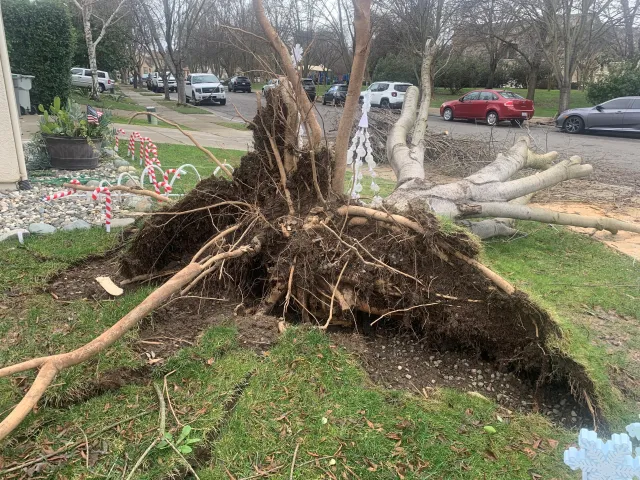
Wet soil and strong winds are a tough combination for trees. When soil is saturated, it can’t hold roots as firmly. In reports collected by the California Tree Failure Report Program, saturated soil was listed in more than half of the root failures where soil conditions were recorded.
What to do: Before winter storms arrive, remove dead or weakened tree limbs and have potentially hazardous trees inspected. If a storm does cause trees or large branches to fall, it nearby power lines can be impacted. If a tree or branch falls on or near a power line, treat all power lines as live, stay well away, and call 911 and your utility company.
4. Cover Bare Soil
Heavy rain on bare ground can wash away valuable, nutrient-rich topsoil. Mulch can act like a protective blanket, softening the impact of raindrops, slowing runoff, and helping to keep soil in place.
Plants provide another important layer of protection that help with soil stabilization. Many California native plants have deep, spreading root systems that help anchor soil and stabilize slopes.
If your yard has a slope, how much soil protection you need depends on how steep the slope is:
Gentle to moderate slopes (under a 33% grade): Plants and mulch can usually do the job. Choose plants with deep, spreading roots, ideally a mix of ground covers, perennials, shrubs and trees to provide protection at different soil depths. Cover bare soil between them with small bark or wood chips that won’t wash away easily. Avoid finely shredded bark, which may be easily carried away by runoff.
Steeper slopes (33% to 50% grade): Planting can still help, but additional erosion-control maybe needed, especially while plants become established. Jute netting or straw wattles (long tubes of straw wrapped in netting) can help hold the soil in place and slow runoff.
What to do: Spread mulch over bare soil in beds and on slopes before the storms arrive. If your property has a significant slope, consult with a qualified landscape or erosion-control professional about the best approach.
5. Let the Rain Soak In
Rain is not only a problem to manage. It is also a resource. When rain can safely soak into the ground, it helps replenish groundwater supplies that many California communities rely on, especially during dry years.
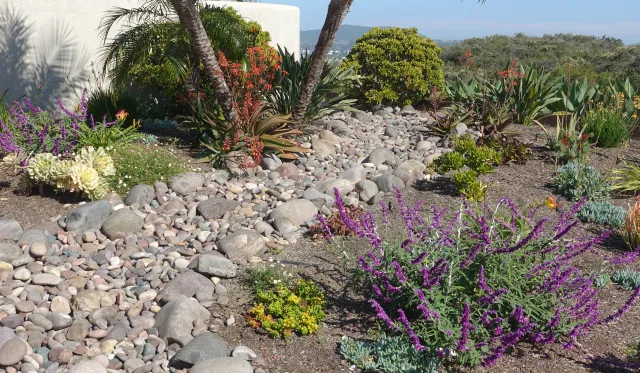
You can help capture rain in your landscape. Berms and swales are simple landscape features that slow water down so it can sink into the soil instead of running off. Berms are low mounds and swales are shallow channels that follow the natural shape of the land. Used together, they can help direct water and runoff away from problem areas and towards places where water can safely infiltrate into your soil.
Swales and dry creek beds can also guide water to a rain garden. A rain garden is a shallow planted depression designed to collect stormwater from the landscape and hardscape (e.g., driveways). When done correctly, this landscape feature collects stormwater and lets it soak slowly into the ground. Unlike a pond, a rain garden typically drains within a couple days of a storm, staying dry between rainfall events.
What to do: During this year’s winter storms, watch where water flows, where it pools, and where it runs off your property. Note which areas might be good candidates for capturing rainwater. Those notes can help you plan a rain garden, swale, or other rainwater-capture project in the future.
Ready for Whatever Winter Brings
No one can say for sure how wet this winter will be where you live. But the steps above can help you prepare for anything ahead. Better drainage, healthy trees and covered soil are good gardening practices no matter what the forecast says.
While you’re preparing your garden, take a minute to prepare your household, too. County emergency alerts are not automatic, so sign up for free alerts to know when a storm is coming.
Coming up next in this series: how to care for your garden through a wet winter.
Have questions about getting your garden ready? Connect with your local UC Master Gardener Program for research-based information tailored to your area. Find a program near you and learn more.
Learn More
Flood & El Niño Preparedness in California 2026–27, UC ANR California Institute for Water Resources
Pest Notes: Phytophthora Root and Crown Rot in the Garden, UC IPM
How to Care for Flood and Water-Damaged Plants, UC Master Gardener Program Statewide Blog
El Niño in California, Listos California
Sources
- Hsu, M. (2026, October 8). Ten things to do right now to prepare for predicted severe El Niño impacts. UC Agriculture and Natural Resources.
- Lofton, E. N. (2026, October 7). Strong Signal, Not a Guarantee. SoCal Water Watch. UC Cooperative Extension.
Swain, D. (2026, October 12). El Niño, already near/at record intensity, will further strengthen to historic level and likely bring major California & SW U.S. winter impacts. Weather West.