

There are many types of “good bugs” that might be living on your farm right now! In integrated pest management (IPM) we refer to “good bugs” as “natural enemies” or “beneficial organisms”. Natural enemies can include insects, but also mites, pathogens, and vertebrates like birds and lizards. They can kill or reduce pest populations by feeding directly on the pest, parasitizing the pest, or infecting the pest with a pathogen, reducing the need for pesticides.
Keep an eye out for the common natural enemies listed below and learn to recognize their egg and immature stages too! Click their link to learn about lookalikes, life cycle, and more!
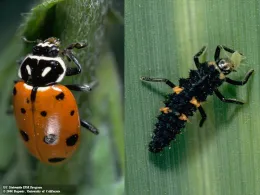
Lady beetles (ladybugs): There are about 200 different species of lady beetles in California. Many species feed on soft-bodied pest insects like aphids, soft scales, mealybugs, whiteflies, mites, and psyllids. They will also eat pest insect eggs and larvae.
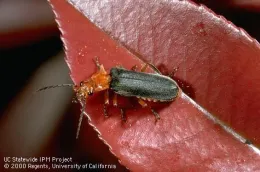
Soldier beetles (leatherwings): Adults feed on aphids and other soft-bodied insects. Their larvae live in the ground and feed on pest eggs, larvae, and pupae in the soil.
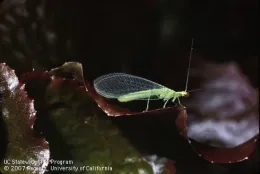
Lacewings: Feed on mites, aphids, caterpillars, leafhoppers, mealybugs, psyllids, scales, and thrips! While some adult lacewings can be predacious, their larvae are most useful in pest control.
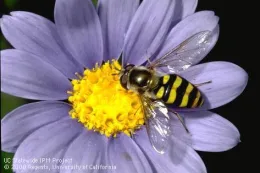
Syrphid flies: Also called hover flies or flower flies, syrphid flies resemble bees and are pollinators. Their larvae feed on aphids, mealybugs, and other soft-bodied insects.
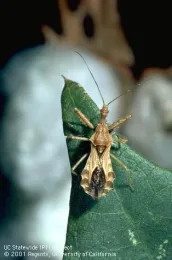
Assassin bugs: Can feed on caterpillars and other larvae, as well as adults and nymphs of beetles. They are known to attack just about any insect, but can also bite people if provoked.
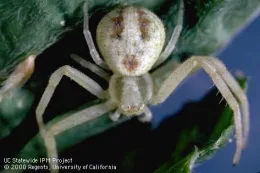
Spiders: While many people fear spiders, they can actually help control many pests in and around your fields. Flower spiders, jumping spiders, and wolf spiders are examples of common beneficial garden spiders.
To learn more about natural enemies, broadly, see these resources:
- Pest Notes: Biological Control and Natural Enemies of Invertebrates (fact sheet)
- Natural Enemies Gallery
- Natural Enemies and Beneficial Insects: What Are They? (Webinar recording)
This content was adapted from an article originally published by Lauren Fordyce on the UC ANR Pests in the Urban Landscape blog.