Newsletters
- In-a-Nutshell - Nut Culture
- Dried Plum News - Prune Culture
- Olive Notes - Olive Culture
Newsletter Articles:
May 2025Archived

Links
- UC Statewide Integrated Pest Management Project
- National Weather Service - San Joaquin Valley
- UC Fruit and Nut Research and Information Center
- State Olive Day Presentations
- California Dried Plums
Publications
Pest Notes
- UC Pest Management Guidelines (UC Statewide IPM Project Web Site)
UC Cooperative Extension Cost and Return Studies
- Almonds
Double Line Drip Irrigation. Southern San Joaquin Valley. 2016 PDF - Almonds
Flood Irrigated. San Joaquin Valley North. 2011. PDF - Almonds
Micro-sprinkler. San Joaquin Valley North. 2016. PDF - Olive Oil
Super High Density. San Joaquin Valley 2007. PDF - Olives - San Joaquin Valley. 2005 PDF
- Pecans - Sacramento/San Joaquin Valley - 2005. PDF
- Pistachios
Low Volume Irrigation - San Joaquin Valley South. 2015. PDF - Walnuts
Late Leafing - Lateral Bearing. San Joaquin Valley North. 2017. PDF - Walnuts
Micro-Sprinkler Irrigation - San Joaquin Valley North. 2007 PDF
- Almonds

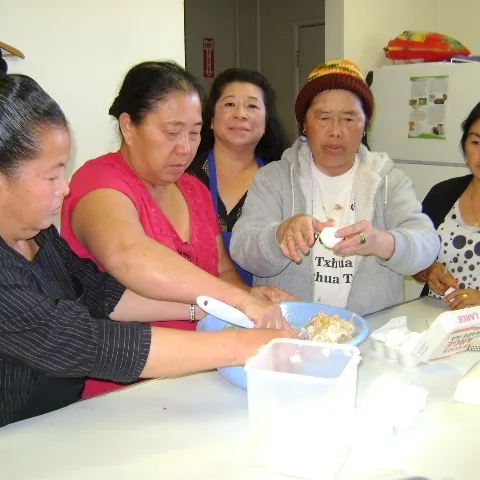
Vang cultivates healthy habits in the Hmong community of Fresno County.
May 14, 2024
By Pamela S Kan-Rice

UC Master Gardeners empower college students to garden for mental wellness
May 14, 2024
By Saoimanu Sope