
Newsletters
- In-a-Nutshell - Nut Culture
- Dried Plum News - Prune Culture
- Olive Notes - Olive Culture
Newsletter Articles:

Links
- UC Statewide Integrated Pest Management Project
- National Weather Service - San Joaquin Valley
- UC Fruit and Nut Research and Information Center
- State Olive Day Presentations
- California Dried Plums
Publications
Pest Notes
- UC Pest Management Guidelines (UC Statewide IPM Project Web Site)
UC Cooperative Extension Cost and Return Studies
- Almonds
Double Line Drip Irrigation. Southern San Joaquin Valley. 2016 PDF - Almonds
Flood Irrigated. San Joaquin Valley North. 2011. PDF - Almonds
Micro-sprinkler. San Joaquin Valley North. 2016. PDF - Olive Oil
Super High Density. San Joaquin Valley 2007. PDF - Olives - San Joaquin Valley. 2005 PDF
- Pecans - Sacramento/San Joaquin Valley - 2005. PDF
- Pistachios
Low Volume Irrigation - San Joaquin Valley South. 2015. PDF - Walnuts
Late Leafing - Lateral Bearing. San Joaquin Valley North. 2017. PDF - Walnuts
Micro-Sprinkler Irrigation - San Joaquin Valley North. 2007 PDF
- Almonds

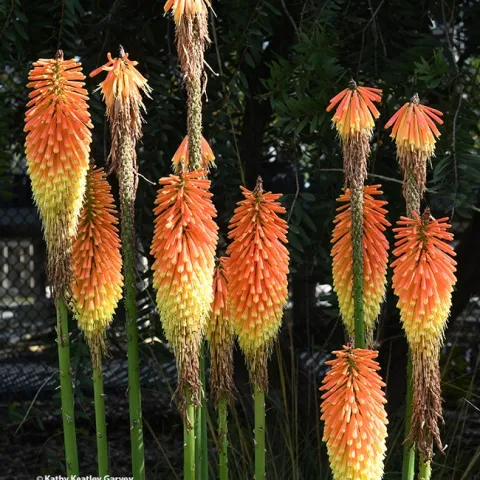

January 2024 Library Classes - Growing Citrus Trees

Suds for a Bug? Net the First Cabbage White and Win a Beer!
2023 Cost of Production for Fresh Market Raspberries Now Available
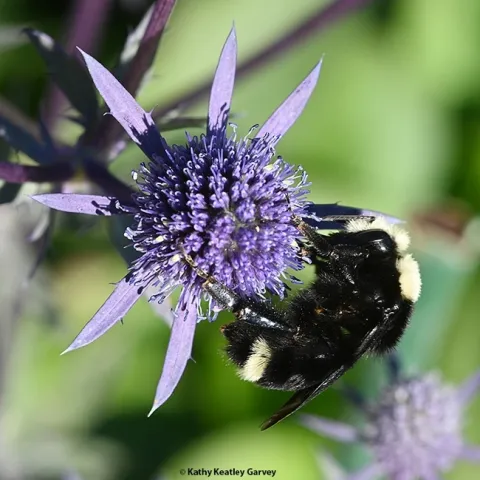
UC Davis Arboretum Is the Magical Place to Find the First-of-the-Year Bumble Bee
January 2024: Planting Time for Artichokes
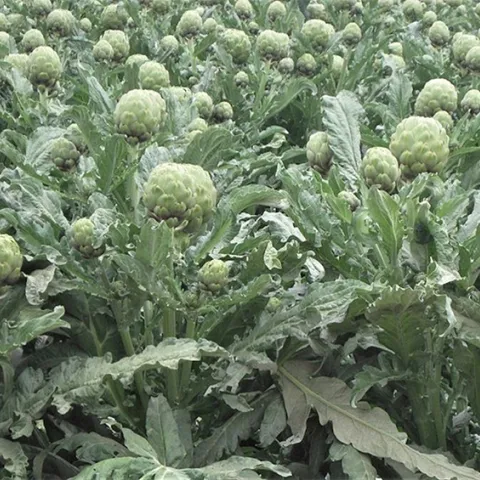
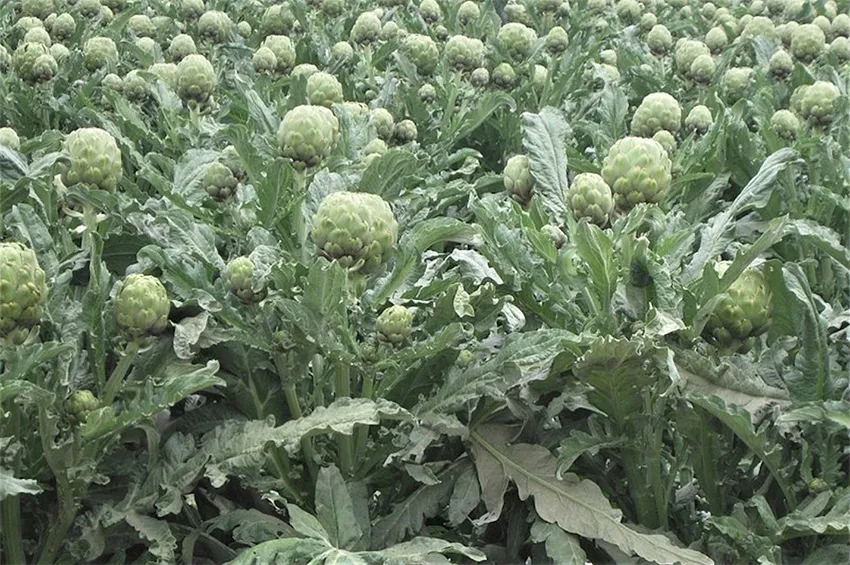
What is an artichoke?
Artichokes are large plants in the sunflower family (Asteraceae). The edible parts are the large flower buds that form on the tops of tall stalks. The buds are typically green, but some varieties are violet-tinged. Buds that are not harvested for cooking and eating will open into attractive purple thistlelike flowers.
Although some may consider artichokes exotic and too much trouble to eat, they have been enjoyed since Roman times. Italian immigrants brought artichokes to Monterrey County where they grew well in the Mediterranean like climate. When artichokes first became popular in the US there was a problem meeting the demand and there are stories of a Mafia attempt to corner the market. Fortunately, we can now have all the artichokes we want to eat when they are in season.
What artichoke varieties grow well in Marin?
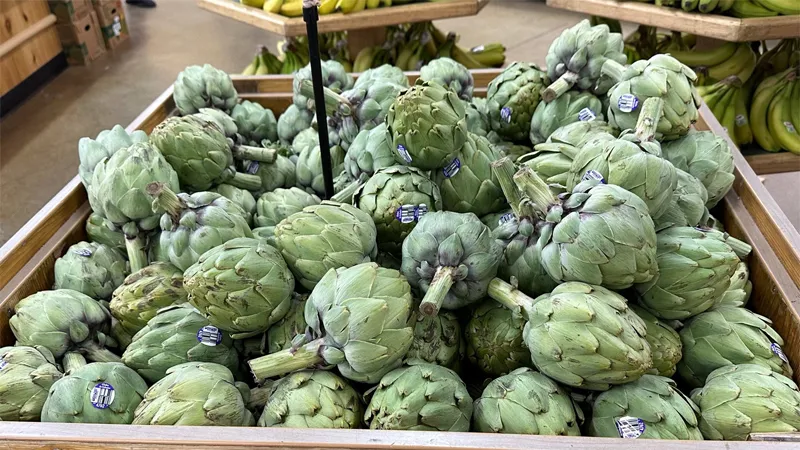
Are Artichokes Annuals or Perennials?
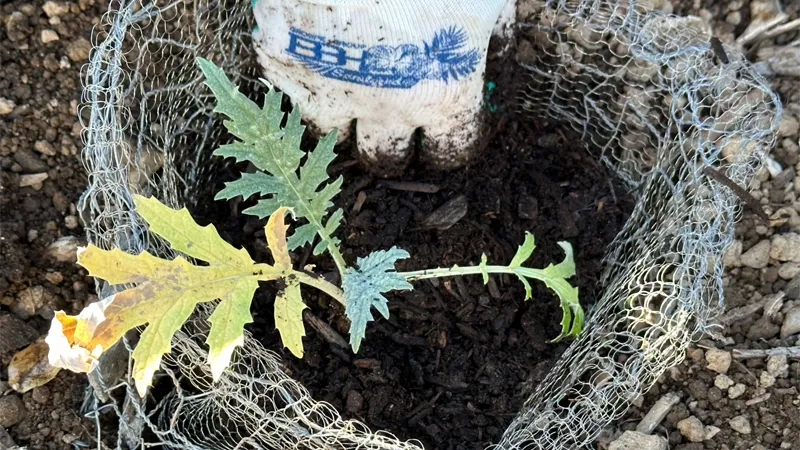
In California artichokes are commonly grown as short-lived perennials producing both spring and fall crops. After the spring harvest they are cut back to the ground and kept dry to encourage summer dormancy after which they are regrown in the fall for another crop. However, early maturing varieties like ‘Imperial Star’ and ‘Colorado Star’ also work well as annuals when planted in late fall. In the Edible Demo Garden, the two new varieties replaced older plants that had aged past their prime and suffered some gopher damage.
How to Grow and Harvest Artichokes
The buds on the artichoke plant are ready to harvest just as the lowest bracts begin to open. Once a bud opens more fully, the tenderness and flavor diminish. Harvesting the top bud stimulates the lower buds to develop. Buds should be harvested by cutting the stem about 2 inches below the bud.
For more information on growing artichokes, click here.