Newsletters
- In-a-Nutshell - Nut Culture
- Dried Plum News - Prune Culture
- Olive Notes - Olive Culture
Newsletter Articles:

Links
- UC Statewide Integrated Pest Management Project
- National Weather Service - San Joaquin Valley
- UC Fruit and Nut Research and Information Center
- State Olive Day Presentations
- California Dried Plums
Publications
Pest Notes
- UC Pest Management Guidelines (UC Statewide IPM Project Web Site)
UC Cooperative Extension Cost and Return Studies
- Almonds
Double Line Drip Irrigation. Southern San Joaquin Valley. 2016 PDF - Almonds
Flood Irrigated. San Joaquin Valley North. 2011. PDF - Almonds
Micro-sprinkler. San Joaquin Valley North. 2016. PDF - Olive Oil
Super High Density. San Joaquin Valley 2007. PDF - Olives - San Joaquin Valley. 2005 PDF
- Pecans - Sacramento/San Joaquin Valley - 2005. PDF
- Pistachios
Low Volume Irrigation - San Joaquin Valley South. 2015. PDF - Walnuts
Late Leafing - Lateral Bearing. San Joaquin Valley North. 2017. PDF - Walnuts
Micro-Sprinkler Irrigation - San Joaquin Valley North. 2007 PDF
- Almonds


Innovative collaborations boost soil health outreach in Colusa County
November 2023: The Versatile Eggplant
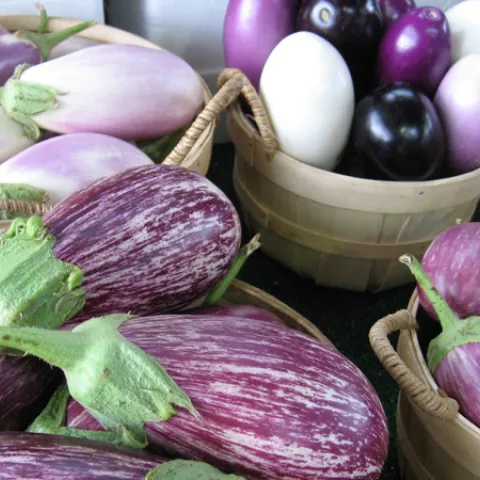
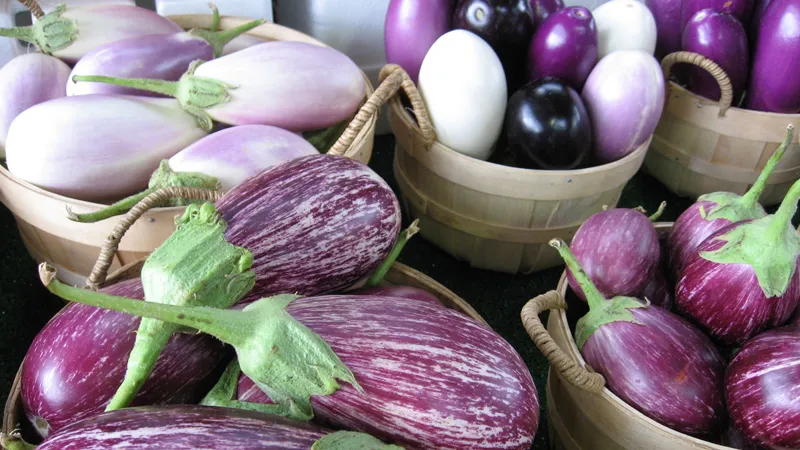
What is Eggplant?
Eggplant belongs to the Solanaceae, or nightshade family and the species commonly grown in the US is Solanum melongea. Like its close relative, the tomato, eggplant is botanically classified as a berry, rather than a vegetable. It was first cultivated in southeast Asia and, by the early Middle Ages, was grown throughout the Mediterranean area. It was brought to the Americas by the Europeans.
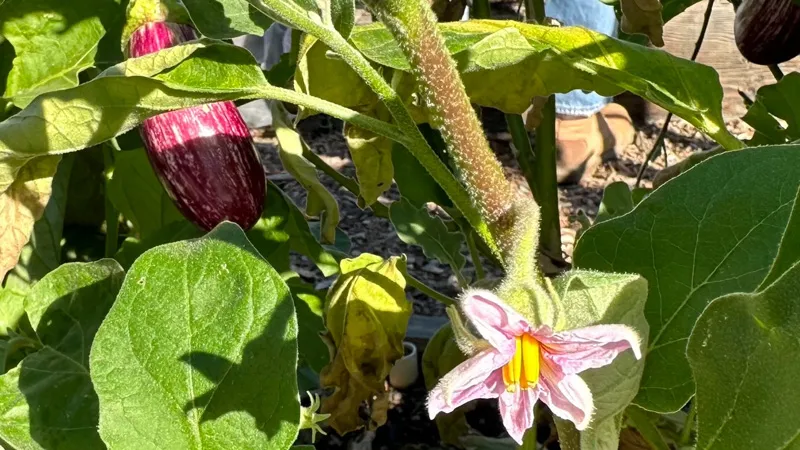
Why Grow Eggplant?
Eggplant doesn’t deserve to be underrated. It is an attractive plant, with large purple tinged leaves and lavender flowers, pretty enough to double as a landscape plant. Its fruit is versatile and used in the cuisine of many different countries. It can be saute’ed, baked, stewed, or fried and it is low in calories and a good source of vitamin C and potassium. In Asia and the Mediterranean, eggplant ranks among the five most important vegetable crops. It’s the basic ingredient in international favorites like moussaka, ratatouille, and baba ghanoush.
How to Grow Eggplant

Eggplant fruits do not have to reach full size to be harvested. They should be picked when they are 6 to 8 inches long and still firm and shiny. Once they turn dull and brownish, they are too mature and no longer tasty. Picking regularly encourages the plant to keep producing fruit.
Click here for more information on growing edibles like eggplant.