
Newsletters
- In-a-Nutshell - Nut Culture
- Dried Plum News - Prune Culture
- Olive Notes - Olive Culture
Newsletter Articles:

Links
- UC Statewide Integrated Pest Management Project
- National Weather Service - San Joaquin Valley
- UC Fruit and Nut Research and Information Center
- State Olive Day Presentations
- California Dried Plums
Publications
Pest Notes
- UC Pest Management Guidelines (UC Statewide IPM Project Web Site)
UC Cooperative Extension Cost and Return Studies
- Almonds
Double Line Drip Irrigation. Southern San Joaquin Valley. 2016 PDF - Almonds
Flood Irrigated. San Joaquin Valley North. 2011. PDF - Almonds
Micro-sprinkler. San Joaquin Valley North. 2016. PDF - Olive Oil
Super High Density. San Joaquin Valley 2007. PDF - Olives - San Joaquin Valley. 2005 PDF
- Pecans - Sacramento/San Joaquin Valley - 2005. PDF
- Pistachios
Low Volume Irrigation - San Joaquin Valley South. 2015. PDF - Walnuts
Late Leafing - Lateral Bearing. San Joaquin Valley North. 2017. PDF - Walnuts
Micro-Sprinkler Irrigation - San Joaquin Valley North. 2007 PDF
- Almonds

Targeting Tumors: Hammock Lab Collaborator Receives Prestigious Honor
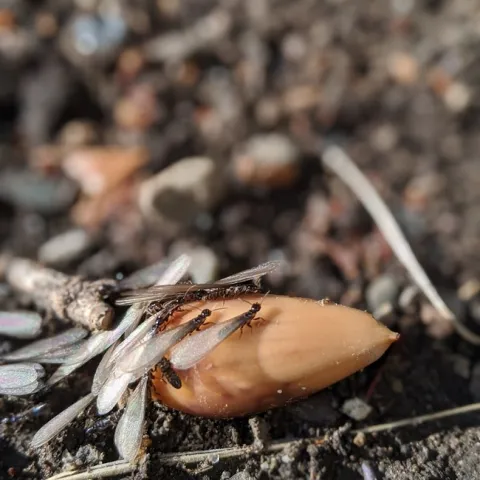
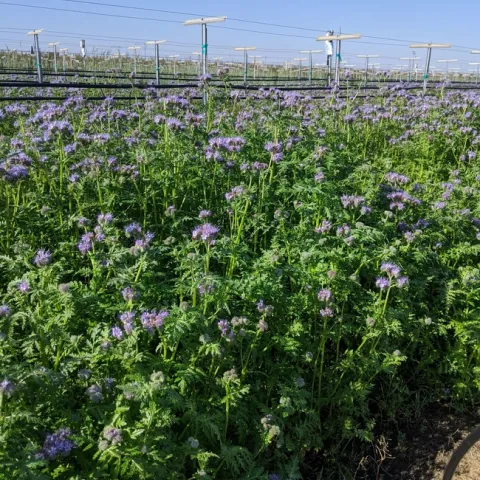
Can California native plants be used as cover crops to benefit farmers and native ecosystems?
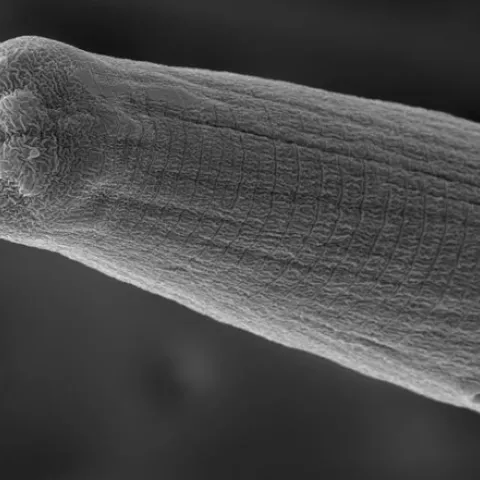
Adler Dillman to Share Research on Parasitic Worms and the Venom They Release in Us

Upcoming Meetings of Interest - Update!
October 2021: Seedling Transplanting Tips

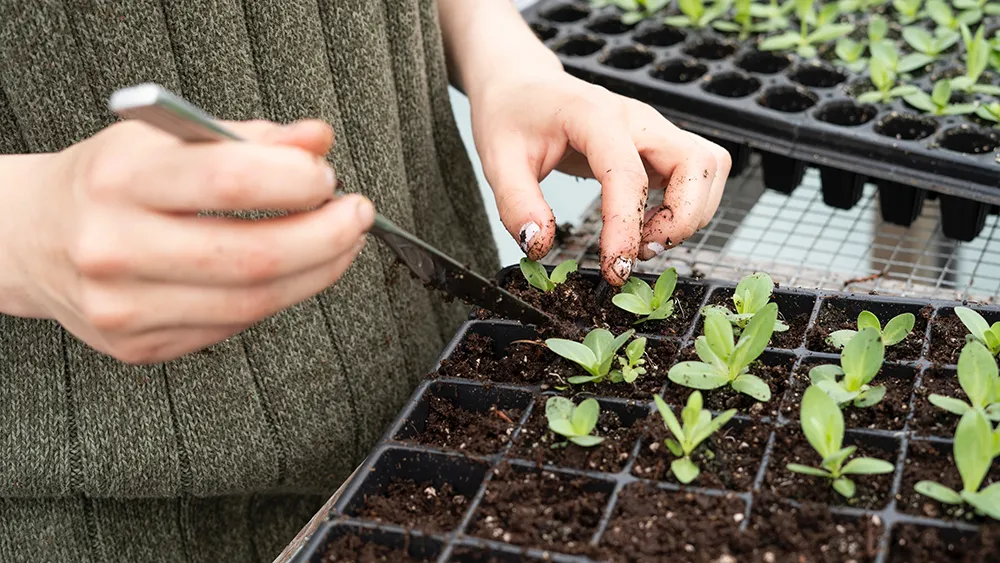
When is a seedling ready to move?
The most common problem with transplanting is timing. Many gardeners, including our team, make the mistake of waiting too long. A good rule of thumb is that the seedling should have at least three to four true leaves in addition to the seed leaves that appear first. The height of the seedling is not as important as the number of leaves it has. An ideal seedling would be as wide as it is tall. So how do we toughen up that soft, succulent type of growth into a firmer, harder type? This process is called ‘hardening off’.
Take the Time for Hardening Off
Your seedlings need a transition time to the harsher outside conditions. If you do not provide this, a severe, long-term check in growth can occur. The hardening process will take at the very least seven days or up to two weeks, so this requires patience. Remember that you’re looking for the plant to lose those soft stems and harden up. So observe your plants closely.
Hardening Off Process
As you transition your seedlings to the outside, keep in mind the two elements that will have the most impact on them: wind and sun. A hot, windy day would not be the day to start the move. For the first excursion, pick a temperate day with no wind and even then, put your plants in a protected area in the shade. You might leave them out for only a few hours. After that, increase the exposure time each day, moving eventually to dappled morning sunlight, and then gradually to full morning sunlight. Placing plants in full afternoon sun will be done toward the end of this process, as well as leaving them out overnight, but only when temperatures do not fall below 50°F. Reducing water frequency to slow growth during hardening is advised.
Transplanting Seedlings into the Garden
Like ‘hardening off’, choose your day and time carefully. An ideal time would be the late afternoon or evening of an overcast day with little or no wind. The worst day would be during a lengthy heat spell with lots of wind.
Water your seedlings well before transplanting. Then, dig a hole with the same depth at which the seedling is growing and a bit wider. (Tomatoes, broccoli, cabbage, and cauliflower should be set deeper than they are growing.) Mix in compost or a starter fertilizer at the bottom of the hole. When removing the seedling from its container, treat the roots gently, trying not to tear them. Also, if possible, handle the plant by its leaves rather than the stem. After firming the soil around the plants, water gently including the leaves. If there is concern about the effect of intense afternoon sun, you can choose to shade your seedlings by placing a board or piece of cardboard on the southwest side of the plants for a couple of days.
Finally, the plants will likely experience little or no growth for up to several weeks, but do not get discouraged. After that, the seedlings will have made themselves at home with roots that can support growth and your plants will begin to thrive.
Congratulate yourself on the careful fostering of your little seedlings, and celebrate when they give back to you the abundance of their fruiting.
