Ongoing research

August 2022: Managing Pests in the Organic Garden
Primary Image
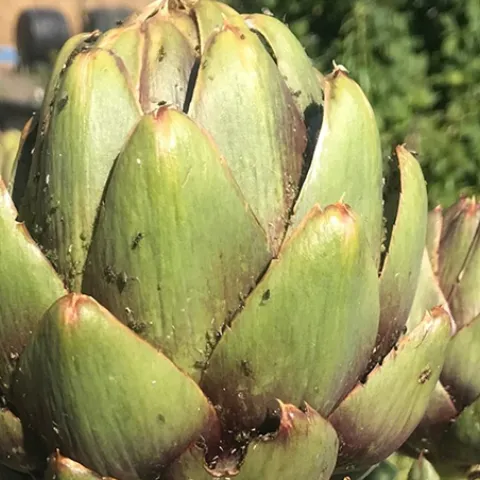
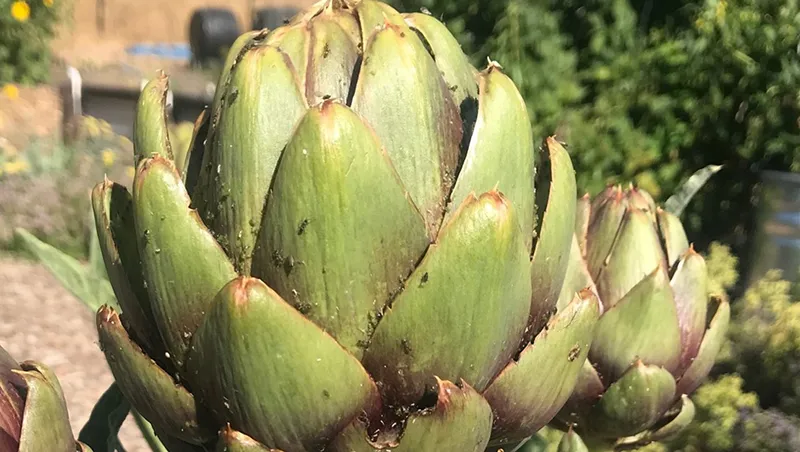
The aphids and ants on this artichoke plant can be washed off with a strong spray of water. Photo: Marty Nelson
Body

artichoke_cropped
The plants are lush and green, and the harvest has been plentiful in the Edible Garden in July. Contributions to the IVC farm stand and Community Supported Agriculture included summer squash, cucumbers, beets, onions, carrots, fennel, rhubarb, and basil. Sunflowers now tower over the Master Gardener volunteers and fruit is ripening on the pear and plum trees. Yet, despite the abundance, there have been some disappointments. Cabbages were lost to aphids and gophers decimated some of the sunflowers. Ants invaded the artichokes and slugs were discovered in the squash vines. Pests in an organic garden can be a challenge!

Cooperation with nature is a guiding principle of organic gardening and this includes the management of unwanted bugs and critters. Organic gardeners steer clear of toxic pesticides and instead implement integrated pest management strategies starting with those least harmful to the environment. This is earth-friendly gardening in practice.

Integrated Pest Management (IPM)

IPM is based on the understanding that the most effective long-term way to manage pests is to use a combination of methods that minimize risks to people and the environment. These approaches fall into the following categories.

  • Biological controls – Most of the creatures found in gardens are not pests and are benign or beneficial. Biological controls engage natural enemies in pest management. Good bugs reduce pest damage by eating the bad bugs. Using ladybugs to reduce aphids is only one of many examples of the action of natural enemies. Birds, lizards, and insects, such as praying mantis, are also beneficials but are not as specialized.

Tulle netting_cropped
A healthy garden with a diversity of blooming plants provides an inviting habitat for natural enemies and beneficials. Control is achieved when the beneficials naturally outnumber the pests, however the use of pesticides and chemicals can upset this balance. Even the use of selective pesticides can inadvertently discourage beneficials by reducing their food source. It may be necessary to tolerate a low population of pests in order to invite and protect the beneficials. Aphids on a few plants are annoying, but not always cause for alarm.

  • Cultural controls – Good garden practices such as nurturing the soil, clearing out debris, properly managing irrigation, and removing infected plants can also deter pests. Rotating crops reduces the chance that pests will become established in a certain location. Companion plantings can provide protection by luring pests away from their favorite food sources.
  • Mechanical and Physical Controls – Blocking pests from access to garden plants is the most effective way to prevent damage. In the Edible Garden, where gophers are abundant, plants are protected with underground wire mesh. The lost sunflowers were in an area of the garden without gopher protection. Row covers effectively keep out both birds and insects but are not useful for plants with flowers requiring pollination.

Frequent monitoring for signs of pests is key to reducing crop damage. Many times, a hard spray of water will wash off sucking insects such as aphids and their ant companions. Hand removal is always an option for larger nuisances such as cucumber beetles, slugs, and hornworms.

  • Chemical controls – The use of selective, less toxic pesticides can be included among IPM strategies but only when other methods have been ineffective. Chemicals are rarely used to control pests in the Edible Garden. As part of the Indian Valley Organic Farm and Garden, the Edible Demo Garden must adhere to Marin Organic Certified Agriculture standards in terms of chemical use. Only approved non-synthetic pesticides can be used.

More information on controlling pests is available on this website at: http://marinmg.ucanr.edu/PROBLEMS/

Detailed information on IPM and links to specific pest problems can be found at: http://ipm.ucanr.edu/index.html

UC Marin Master Gardeners
UCCE in Santa Barbara County: Article

Summer/Fall 2022

July 29, 2022
Happy Friday! In this issue, you'll find updates on our recent community outreach, upcoming online Garden Talks, a job opportunity, and more.
View Article
Primary Image
The larvae of the Greater Wax Moth (Galleria mellonella) inside a bee hive. The black dotes are small hive beetles. (Photo by Kathy Keatley Garvey)
Bug Squad: Article

National Moth Week: Here's One Moth that Beekeepers Won't Celebrate

July 29, 2022
By Kathy Keatley Garvey
During the 11th annual National Moth Week, one thing's for sure: Beekeepers won't be celebrating the beauty, life cycle, or habitat of the Greater Wax Moth (Galleria mellonella), also known as "the honeycomb moth." It's a major pest of bee colonies that aren't maintained well.
View Article
Primary Image
emy s
UCCE Master Gardeners of San Bernardino County Blogs: Article

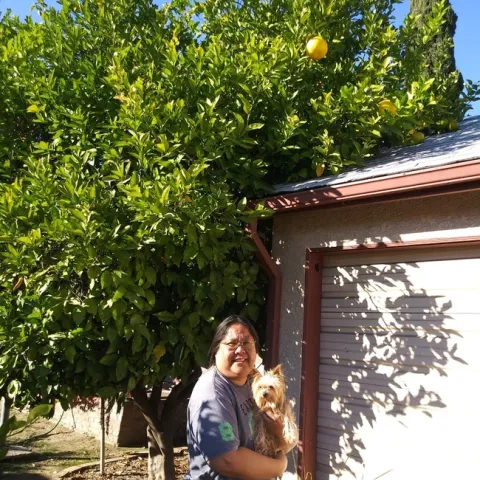
UCCE Master Gardener Spotlight: Emy Shibukawa

July 29, 2022
By Margaret J O'neill
Emy joined our UCCE San Bernardino County Master Gardener team during our first online training ever in 2020. She jumped right in and was excited to learn all about gardening and to share her passion for gardening with her peers.
View Article
Primary Image
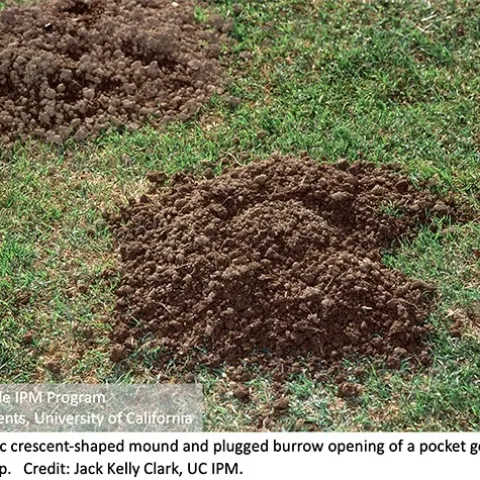
gopher Crescent-shaped mound and plugged burrow opening of a pocket gopher
Topics in Subtropics: Article

Gopher Farmers

July 29, 2022
By Ben A Faber
Eric Hamilton Eric.hamilton@ufl.edu Root-farming gophers might be our closest agricultural relatives Although you'll probably never see them, you can spot them by the tell-tale mounds of sandy soil dotting a field: pocket gophers.
View Article
Primary Image
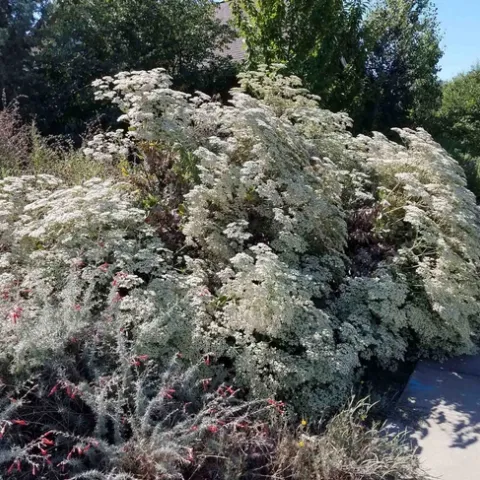
Giant Buckwheat in bloom, Jeanette Alosi
The Real Dirt: Article

The Giant Wild Buckwheat of California

July 29, 2022
An astounding number of species populate the wild buckwheat genus Eriogonum - over 250, according to the CALFLORA website. And, due to their propensity to hybridize, active speciation continues as we speak. There are species for almost every letter of the alphabet, from A (E. abertianum) to Z (E.
View Article
Primary Image
photo by Maggie Kolk
Under the Solano Sun: Article

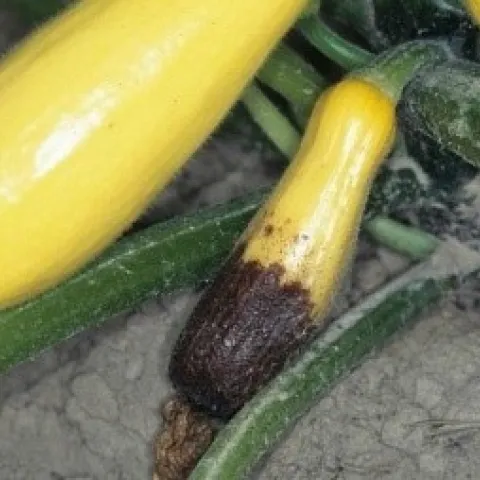
Blossom End Rot at Avant Gardens in Benicia

July 29, 2022
The daily zucchini harvest is underway at the Avant Garden share plot with weekly donations to local Benicia agencies reaching almost 300 lbs.! And, the summer is just beginning.
View Article
Primary Image
Cucumber

Coordinators Corner: Summer Vegetable Care During a Drought

July 28, 2022
By Margaret J O'neill
Summers in most parts of San Bernardino County are hot, dry, windy, and sometimes extra challenging due to fires. Add on the layer of continued drought and water restrictions, and it can seem almost impossible to get a fruit or veggie crop to grow.
View Article