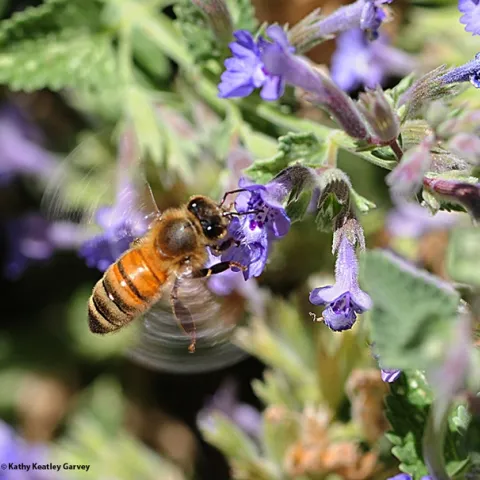
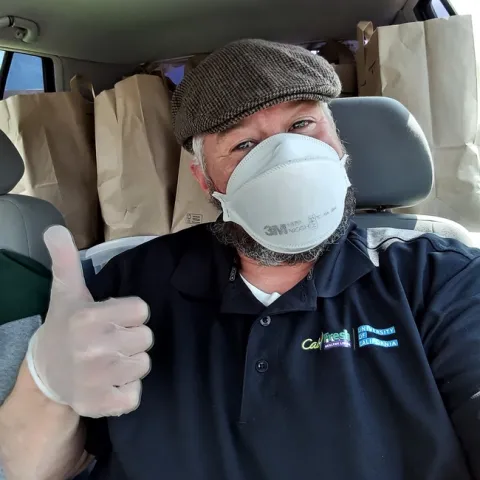
In the year 2020, COVID chased us out of our work places and out of our fun places. So we dutifully covered our faces to cover all the bases, washed our hands to meet all the demands, and kept our distance to continue our existence. But wait...we did NOT socially distance from the insects.
We were saddened to learn of the passing Sunday, Dec. 20, of agricultural icon Richard "Rich" Rominger, 93, former Deputy Secretary of the U.S. Department of Agriculture (USDA) in the President Bill Clinton administration, and former Secretary of the California Department of Agriculture in the Gov.
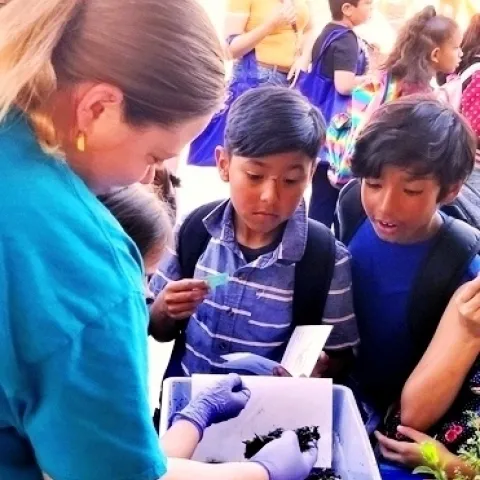
UCCE San Bernardino County Master Gardener, Meredith Hergenrader says that one of the best parts of volunteering at Master Gardener events is the camaraderie of gardeners sharing gardening tips and tricks with each other.
FALL DESERT CROPS WORKSHOP HELD VIRTUALLY VIA ZOOM VEGETABLE CROPS & IPM WORKSHOP - SAVE THE DATE IMPERIAL VALLEY CIMIS REPORT AND UC WATER MANAGEMENT RESOURCES...
We can rise to challenges, or we can resign ourselves to fate. Many have been quick to label 2020 as a bad year, as if we had no role in its making or how we respond to it.
In the U.S., the holiday season of Thanksgiving, Hanukkah, Christmas, Kwanzaa, and New Year seems to be a nonstop race to the end of the year. Gathering to exchange gifts and eat special food and bountiful meals are common ways we celebrate.
As 2020 comes to a close, I'd like to express my deep appreciation and thanks to all of our UCCE San Bernardino County Master Gardener volunteers who have given the gift of their time' to provide credible information to the gardening public.
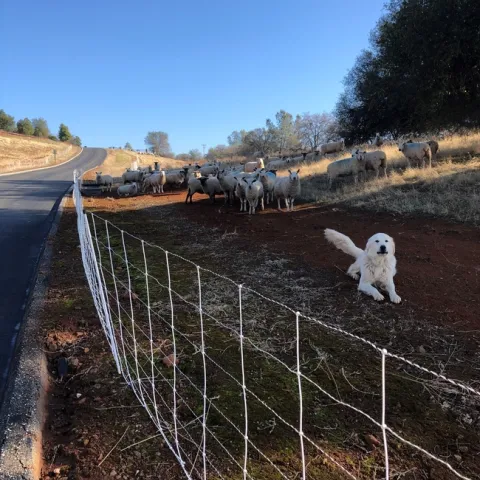
Every rancher dreads getting that phone call - "Your cows [sheep, goats, etc.] are out." And anyone who relies on fences to keep livestock contained has probably received that call at some point. Fences fail, gates are left open, somebody forgets to hook up the electric fence energizer.