UC ANR is committed to providing an accessible and inclusive web experience for all users. If you encounter an accessibility barrier or need content in an alternative or remediated accessible format, please contact anraccessibility@ucanr.edu.
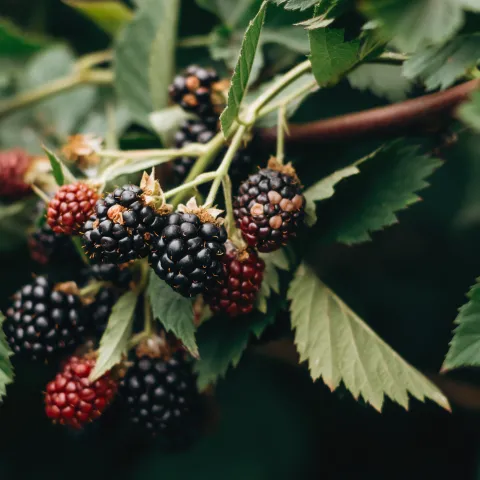
Scientific Name Rubus spp General Information Blackberries and raspberries are deciduous vines that do best when trellised. Boysenberries are a hybrid cross of blackberries and raspberries. These plants have perennial roots and biennial shoots or canes that give us fruit in the second year. When to…
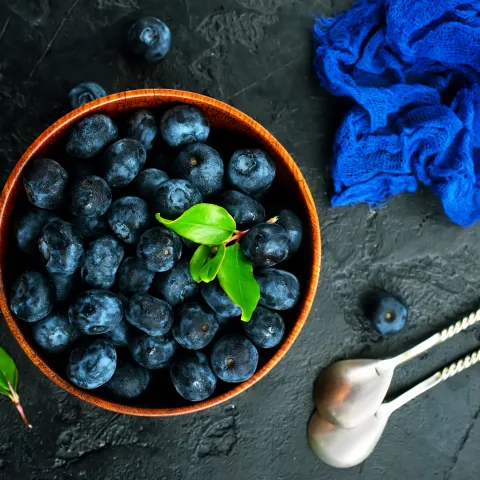
Scientific Name Vaccinium spp General Information Blueberries belong to the Ericaceae family, which includes azaleas and rhododendrons. They have pinkish flowers in the spring, berries in summer, and often brilliant red and yellow foliage in the fall. Blueberries have pinkish flowers in the spring,…
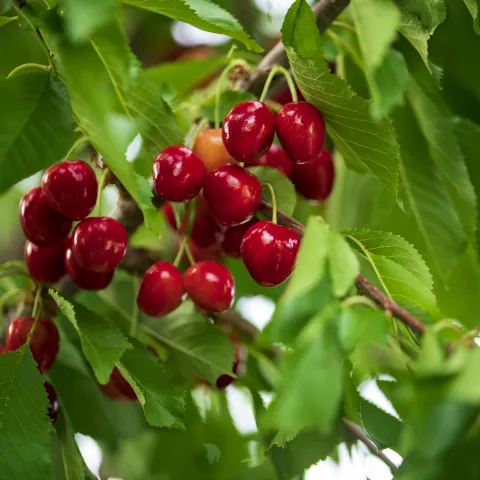
Scientific Name Prunus avium (sweet) Prunus cerasus (sour) General Information Cherries are deciduous trees available in sweet (for fresh eating) or sour (for preserving or jams) varieties. Most require between 600 to 900 chill hours (below 45 degrees Fahrenheit). High temperatures contribute to…
Scientific Name Citrus spp. General Information Citrus are evergreen shrubs or trees native to Asia and belong to the Rutaceae family. One of California’s most common backyard fruit trees. When to Plant Citrus can be planted any time of the year in frost-free zones. Otherwise, plant in spring…
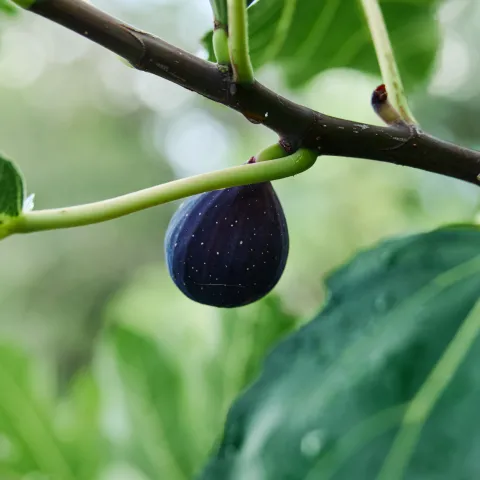
Scientific Name Ficus carica General Information Fig trees are deciduous, easily-grown, and don't require pollination to yield fruit. Most bear two crops per year: early summer and late summer/early fall. Native to western Asia and eastern Mediterranean, figs thrive in warm climates but also grow in…
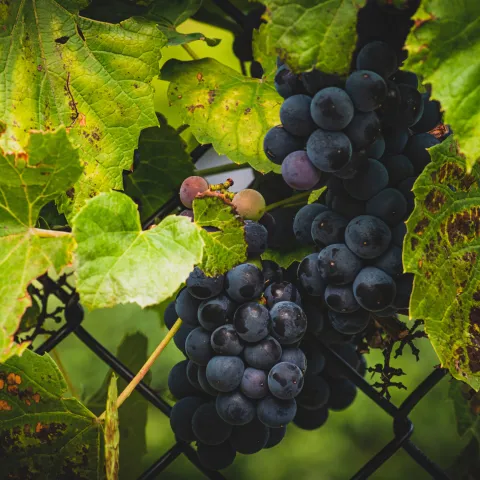
Scientific Name Vitis vinifera (wine grapes) Vitis labrusca (table grapes) General Information Grapes are divided into table grapes and wine grapes. Many varieties available. Some have multiple or secondary uses, ie juices or jellies. Hybrids are typically grown for table grapes, juice, or jelly…
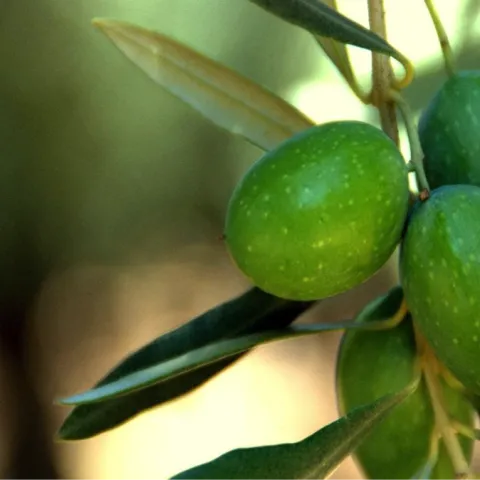
Scientific Name Olea europea General Information The olive is a subtropical evergreen tree with gray-green elongated leaves that are hairy on the undersides to slow the rate of transpiration -- a useful trait in dry climates. Most olives are grown for their edible fruit, but fruitless varieties are…
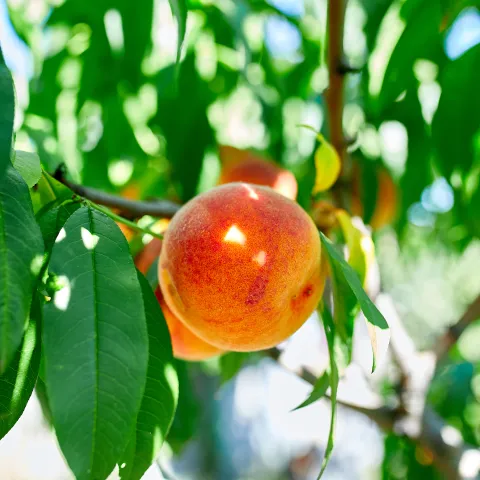
Scientific Name (Prunus persica) General Information Known as the “queen” of summer fruit, peaches feature fuzzy skin and sweet juicy yellow or white flesh. The trees are easily grown. Peach trees are self-fruiting, with flowers borne on one year old shoots. The trees can live for up to 20 years and…
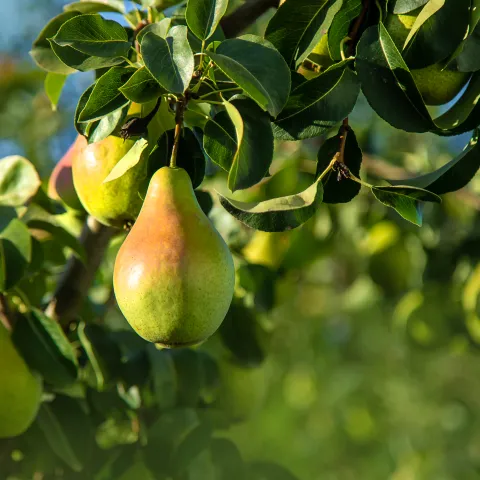
Scientific Name Pyrus communisGeneral Information Of all deciduous fruit tree species, pears are the most tolerant of wet soil conditions. However, they are also the most pest-ridden of all fruit trees and require the most sprays to keep clean. The most common variety, 'Bartlett,' makes up 75% of the…
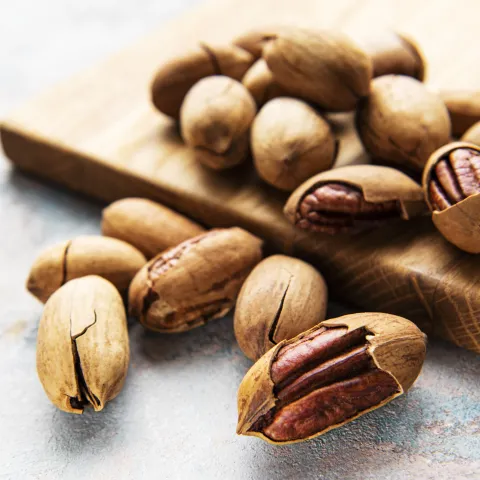
Scientific Name Carya illoensis General Information Large deciduous tree. Challenging to grow in Northern California as they need long, hot, humid summers. Technically not a nut, but a drupe -- a fruit with a single stone or pit, surrounded by a husk. Outer husk starts out green, turns brown at…