
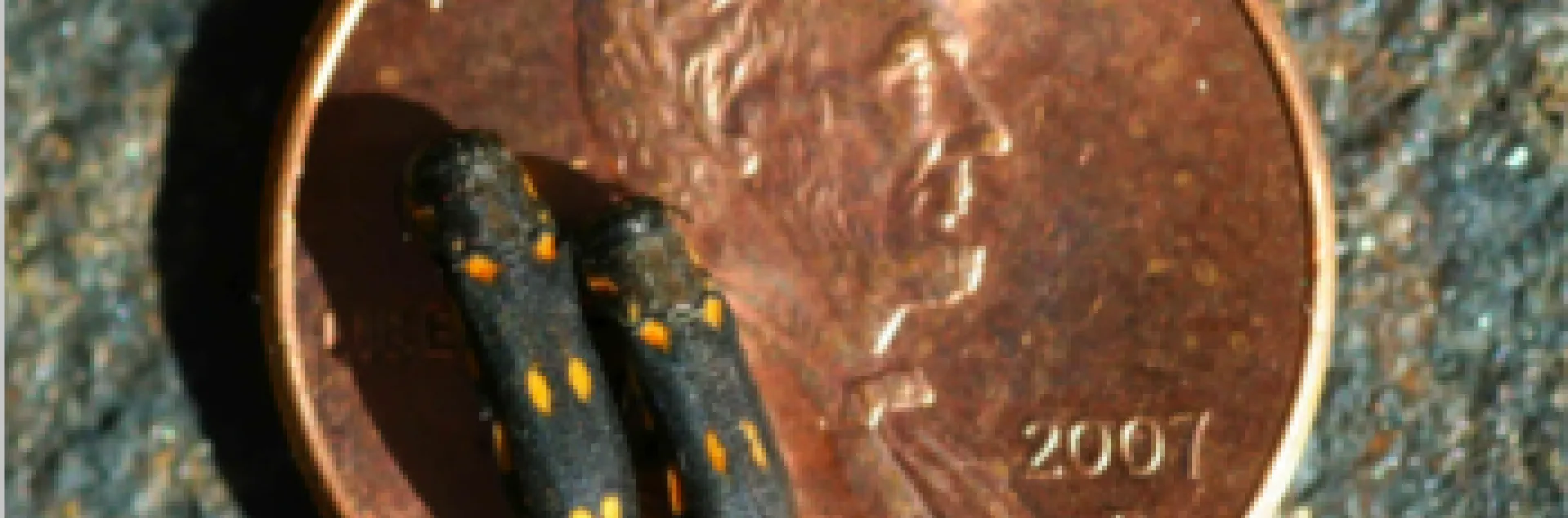
By Julie Clark, Community Education Specialist III
Goldspotted borer (GSOB) is a beetle invasive to oaks in California. Infestations have ravaged oak woodlands in San Diego and Riverside counties the last 12 years and in Anaheim Hills, Angeles and San Bernardino National Forests the last few years. Preferred hosts are black oak, canyon oak, coast live oak, and occasionally Engelmann oak.
Oak woodlands are highly valued ecosystems that support numerous species of fauna. Oak trees serve as the anchor for these systems and support over 5000 insect species, over 105 bird species, 105 mammal species, 58 species of amphibians and reptiles during their respective life cycles. Many beneficial insects rely on oaks to complete their life cycles and do not damage the trees in doing so.
GSOB bore into the bark of its hosts to lay eggs and rear young. Mature beetles emerge to find new hosts. The adults leave a distinctive D-shape hole in the bark upon exit.

The insects damage the water and food transfer structures (xylem and phloem) of the tree, causing crown die-back and eventual death in heavily infested (amplifier) trees. Widespread loss of oaks from GSOB has occurred in Idyllwild and San Diego County mountain areas.
Although GSOB are winged, they do not fly long distance. UC researchers, partners with CAL FIRE and the California Firewood Task Force discovered that several of the infestations throughout Southern California were caused by introduction of firewood imported from infestations in other areas.

D-shaped GSOB exit holes. Credit: UC ANR
Ventura County is vulnerable to attack by the beetle and other invasive tree pests that are on watchlists for the area. Best ways of being assured your firewood is safe include purchasing locally source material or selecting kiln-dried or certified firewood.
For more information:
Report suspected GSOB infestation:
https://ucanr.edu/sites/gsobinfo/What_You_Can_Do/Report_GSOB_Symptoms/