
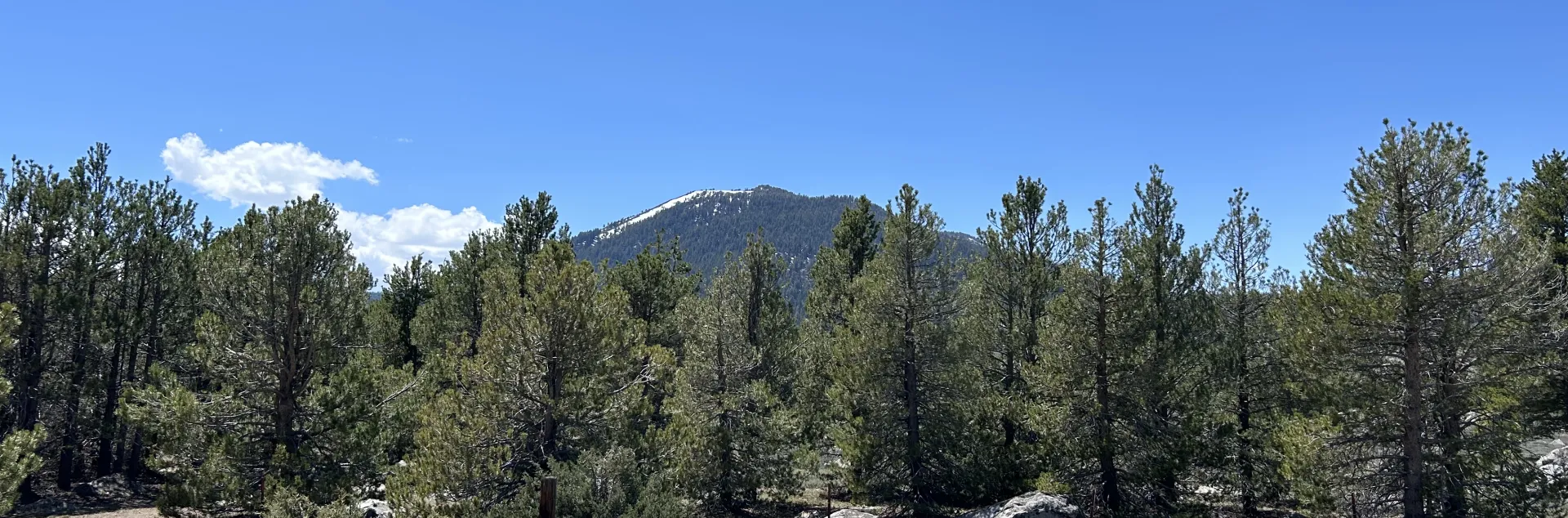
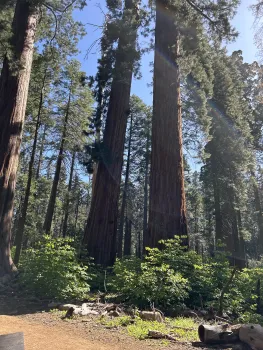
For many people, a walk beneath tall trees, the sound of running water, or a quiet moment on a trail brings a deep sense of peace and wellbeing. Time outdoors can calm a busy mind, help us breathe a little easier, and remind us that we are part of something larger than ourselves.
Healing with Nature
These benefits are more than just a feeling. A growing body of research shows that spending time in nature can lower stress hormones and blood pressure (Shuda et al., 2020), reduce symptoms of anxiety and depression (Coventry et al., 2021), improve sleep (Grigsby-Toussaint et al., 2015), and sharpen attention and memory (Berman et al., 2008). This means that in places like the Central Sierra, with beautiful scenery and plenty of open green space, nature can be one of the simplest and most accessible ways to support both physical and emotional health.
At the same time, not everyone feels at ease outdoors. Life experiences shape how people respond to new situations. Illness, loss, family struggles, accidents, natural disasters, and other difficult events can leave a lasting mark. Being away from familiar surroundings, stepping out of routine, or encountering unfamiliar sights and sounds may cause people to feel vulnerable, uncertain, or overwhelmed. In places like California, where many people have lived through or witnessed fires, floods, and earthquakes, the outdoors might seem more unpredictable or dangerous than comforting.
Fortunately, each of us can help others feel more comfortable and welcome in nature. It begins with a simple understanding: everyone carries their own story. What people have lived through can affect how they handle stress, respond to change, and connect with others. But steady relationships, clear expectations, and calm environments can help people regain confidence and resilience.
This is one reason the outdoors can be so powerful. Nature offers room to move, breathe, and reconnect. It can reduce stress, lift mood, improve focus, and build confidence. Shared outdoor experiences also strengthen relationships and create opportunities for growth, learning, and healing.
A Place for Everyone
But these benefits do not come automatically. Much depends on the people we are with and the way we treat one another. When people feel safe, they are more likely to relax and participate. When expectations are clear, trust grows. When people are given choices, they feel more in control. When they are treated with patience and respect, they are more willing to try something new.
In practice, this often looks very simple. It might mean explaining what to expect before heading down the trail, or noticing when someone seems overwhelmed and offering a quiet break. It may just mean speaking calmly, listening carefully, and offering options instead of pressure. For example, instead of “What is wrong with this person?” try asking yourself “What might this person be dealing with right now?” That small shift in perspective can change the way we relate to others.
It is also important to remember that people participate in different ways. Some move more slowly. Some need extra time to adjust. Others prefer to watch before joining in. When we make room for these differences, more people can enjoy the outdoors with confidence and dignity.
The goal is not to be perfect or to have all the answers. It is to respond with patience, clarity, and respect. Sometimes the most helpful response is also the simplest: a steady voice, a patient presence, and a reminder that it is okay to take things one step at a time.
These principles are useful for everyone- not just teachers or counselors. Parents, grandparents, relatives, volunteers, neighbors, coaches, and anyone who spends time outdoors with others can put them into practice. And the benefits extend to everyone. Children learn better. Adults feel more at ease. Groups become more connected. Outdoor spaces become places not only for recreation, but also for restoration and renewal.
Nature has a remarkable ability to restore and strengthen us. When we combine the healing power of the outdoors with thoughtful, supportive relationships, we help create places where everyone feels welcome. And sometimes, that sense of safety and belonging is exactly what people need to move forward.
Sources
Shuda, Q., Bougoulias, M. E., & Kass, R. (2020). Effect of nature exposure on perceived and physiologic stress: A systematic review. Complementary Therapies in Medicine, 53, 102514. https://doi.org/10.1016/j.ctim.2020.102514
Coventry, P. A., et al. (2021). Nature-based outdoor activities for mental and physical health: Systematic review and meta-analysis. SSM – Population Health, 16, 100934. https://doi.org/10.1016/j.ssmph.2021.100934
Grigsby-Toussaint, D. S., et al. (2015). Sleep insufficiency and the natural environment. Preventive Medicine, 78, 10–16. https://doi.org/10.1016/j.ypmed.2015.07.011