
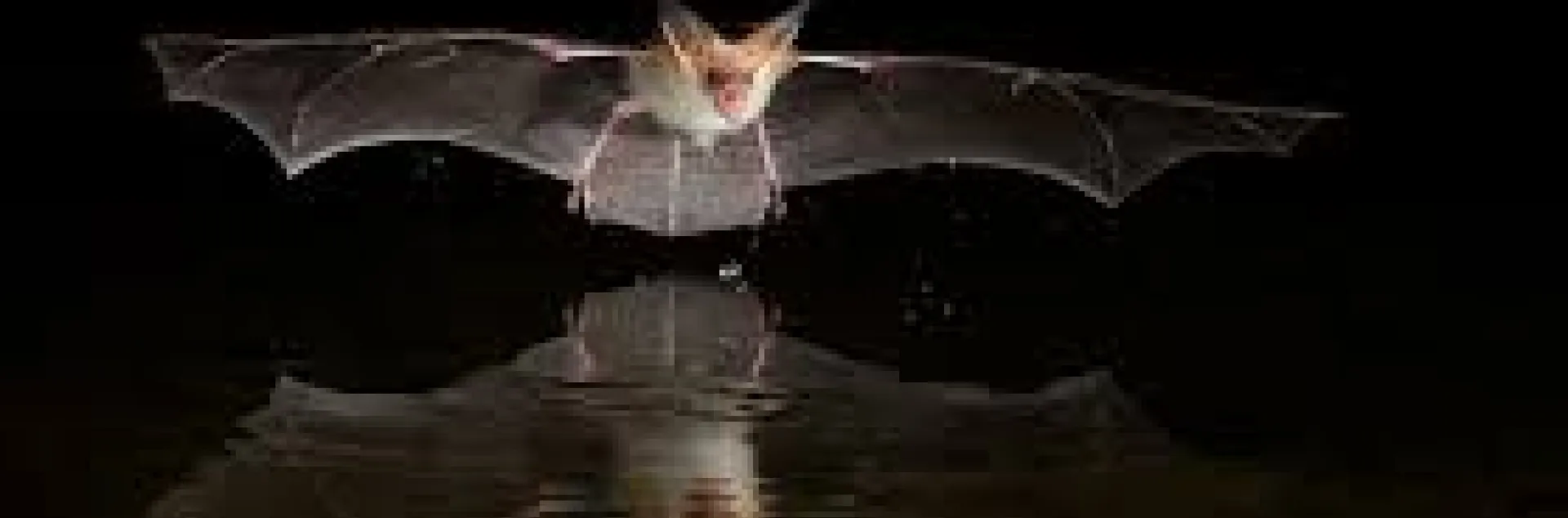
Bats provide natural insect pest control to California’s agriculture and urban areas. While multiple studies have been conducted on what bats eat in other parts of the United States there is lacking research on what time of the year bats provide the most pest control services. Additionally, of the research on bat diets in California none have focused on the insect pests of Southern
California's crops using modern DNA metabarcoding technologies. California is home to approximately 25 different bat species including common bats such as Mexican free-tailed bats (Tadarida brasiliensis), big brown bats (Eptesicus fuscus) and Yuma myotis bats (Myotis yumanensis). California also is home to species that have special conservation protections such as the California state bat Pallid bats (Antrozous pallidus) and the Townsend’s big-eared bat (Corynorhinus townsendii). Bats thrive most in healthy native habitats but are known to utilize linear habitats as flyways to forage for insects and depending on the bats’ foraging strategies may also use large open areas such as agricultural fields [2]. Some bats have been observed traveling up to 20km (12.5 miles) from their roost to reach foraging grounds [4]. We know generally that bats consume a variety of insect pests beyond the originally thought beetles, moths and flies. In one study two bat species had 160 different agricultural insect pests and disease vectors detected in their diet.
More about our bats in Topics in Subtropics