
This column is written by the Master Gardeners of Yolo County each month. It provides answers to selected questions recently asked by Yolo County gardeners.
Question: What is Integrated Pest Management?
Answer: Integrated Pest Management (IPM) is a science-based approach to managing pests that combines multiple strategies to keep pest populations at acceptable levels while minimizing risks to people, beneficial organisms, and the environment. A key feature of IPM is that it addresses a broad definition of “pests,” which includes not only insects but also fungi, bacteria, viruses, nematodes, and weeds.
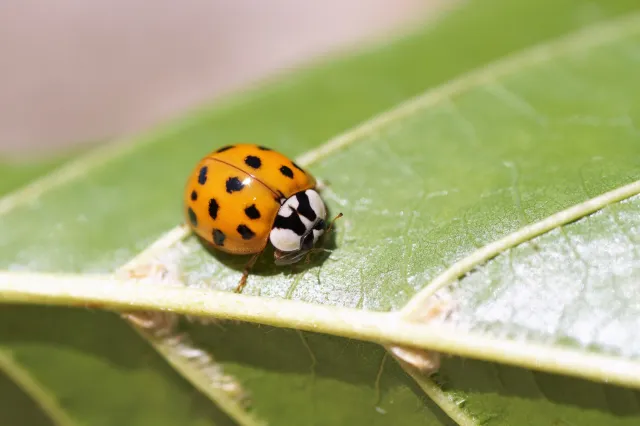
IPM begins with identification and monitoring to determine what organisms are present, their population levels, and the extent of damage. Correct identification is essential because many organisms are harmless or even beneficial. For example, some insects are beneficial predators. They may look similar to harmful insects. Understanding whether a problem is caused by an insect, a fungal pathogen, a bacterial infection, a viral disease, invasive weeds, or an abiotic cause, such as under- or over-watering, determines the most effective management strategy. The UC Master Gardener Program-Yolo offers a free help desk that can assist you in getting answers to these questions. You can contact the help desk via phone at 530-666-8737 or email at mgyolo@ucanr.edu.
Another core principle is establishing an action threshold. This is the point at which pest populations or damage justify intervention. In IPM, the goal is not to eradicate all pests but to keep them below levels that cause unacceptable harm. For instance, a low level of leaf spot caused by fungi or a small patch of weeds may be tolerable and not worth treating.
Prevention is the foundation of IPM. Cultural practices are used to make environments less favorable for pests of all kinds. These include crop rotation to disrupt life cycles of insects and soilborne pathogens, selecting disease-resistant plant varieties, maintaining proper irrigation to avoid conditions that promote fungal or bacterial growth, and improving soil health to support plant resilience. Managing weeds through mulching or cover crops can also prevent them from competing with desired plants.
When prevention alone is insufficient, IPM employs a range of control methods. Mechanical and physical controls include removing infected plants, using barriers such as light row cover, or cultivating soil to manage weeds. Biological control involves encouraging or introducing natural enemies, such as beneficial insects that prey on pests or microorganisms that suppress plant diseases.
Chemical control is used as a last resort and in a targeted manner. In IPM, pesticides, including fungicides, herbicides, bactericides, and insecticides, are selected carefully and applied only when necessary to minimize impacts on non-target organisms and reduce the risk of resistance. Timing and precision are critical to ensure effectiveness while limiting environmental harm.
Integrated Pest Management represents a balanced approach that combines ecological knowledge, practical techniques, and careful decision-making. It reduces dependence on chemical pesticides, lowers environmental impact, and promotes healthier ecosystems.
On the University's IPM website, you can search by the area of concern; lawn or vegetable garden, for example, or pest type, insect or mammal, etc.
Have a gardening question? Send it to jmbaumbach@ucanr.edu, with “Ask MGs” in the subject line. Include as much detail as possible and pictures if you have them.