Propagating your own plants is rewarding, fun, and saves you money. While we may not propagate all our plants ourselves (there are some special and amazing ones at the nursery), we can take some of our favorites and make many out of one.
There are two types of plant propagation. There is sexual or seed propagation where the pollen grains of the male part of the plant combines with the egg, or female part of the plant to create a seed. This type of seed propagation will produce plants that differ from its parent and from each other.
When we save seeds from our veggies and flowers, we are using sexual propagation. While we know what type of plant our seeds came from, there will be slight (and sometimes dramatic) variations of the parent plant. As an example, last season I saved seeds from my tall heirloom multi-colored zinnias. I took care to harvest the seeds from several colors of zinnia. After planting this spring – I was lucky enough to have a great germination rate – and the plants started flowering, all the flowers on my 2 dozen or so plants were a bright pink, save one lone white flower. While I still had zinnias, only one color became dominant.
The second type of plant propagation is asexual or vegetative propagation. This produces a new plant that is a clone of the parent plant. Dividing, cutting, layering, and grafting (or budding) are all types of asexual or vegetative propagation.
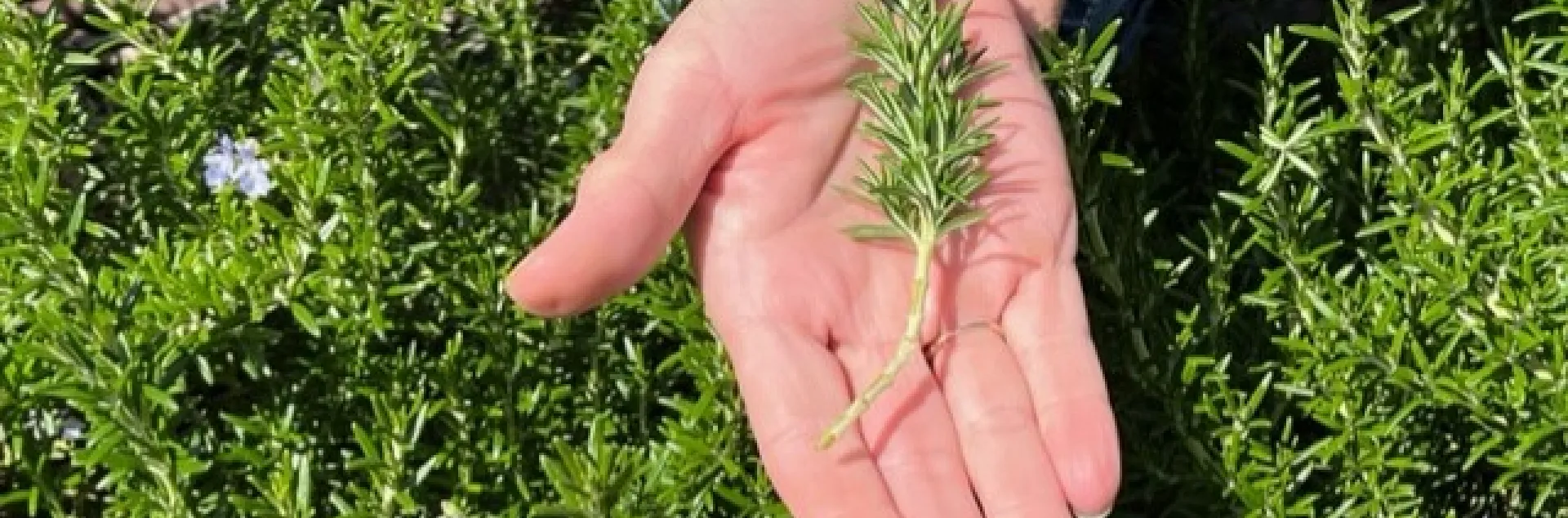
Many plants are easy to propagate from cuttings. Herbs, such as rosemary, lavender, or thyme propagate well from cutting pieces of the plant at the stem. Other plants allow you to use their leaves for propagation, like the bougainvillea or your favorite philodendron.
Layering is the asexual propagation method where you bend a shoot of the plant over in the early spring or fall and then bury the tip, or sections of the shoot directly in the ground. After it has rooted into the soil, the new growth is separated from the parent plant and is now a new, healthy plant. California white sage is a fitting example of a plant that propagates well by layering, and so are blackberries and raspberries
Succulents are divided by taking the “pups” or a leaf from the main plant and placing it directly in the soil after resting briefly to harden it off for planting.
Let’s not forget dividing plants or bulbs, tubers, corms, and rhizomes of our favorite spring and fall flowers. Daffodils, iris, crocus and many more can be propagated by digging out the dormant plants then separating the bulbs, etc. to make one plant into many. That large, unruly lemon grass can be divided into several smaller ones by waiting until it reaches dormancy and then carefully digging up a portion of the plant and roots and moving it to a more favorable location.
Grafting or budding is where we join plant parts together so they will grow as one plant. This method is commonly used on trees, especially fruit trees. This method is preferred to planting seed of a named cultivar of a fruit tree because more than 99% of all seedling trees bear fruit inferior to that produced by the parent trees.1 This can be a complex process and beyond the scope of this article.
As you can see, plant propagation can be as easy as saving seeds and as complex as grafting and budding. But whatever your chosen method, propagating your own plants not only saves you money but the satisfaction you receive from watching your new plants grow and thrive is priceless.
For more information on plant propagation, check out these resources or join us in July for our Plant Propagation classes at your local Stanislaus County library.
Sources:
1 California Master Gardener Handbook, second edition page 135
Terry Pellegrini has been a UC Master Gardener in Stanislaus County with UC Cooperative Extension since 2020