
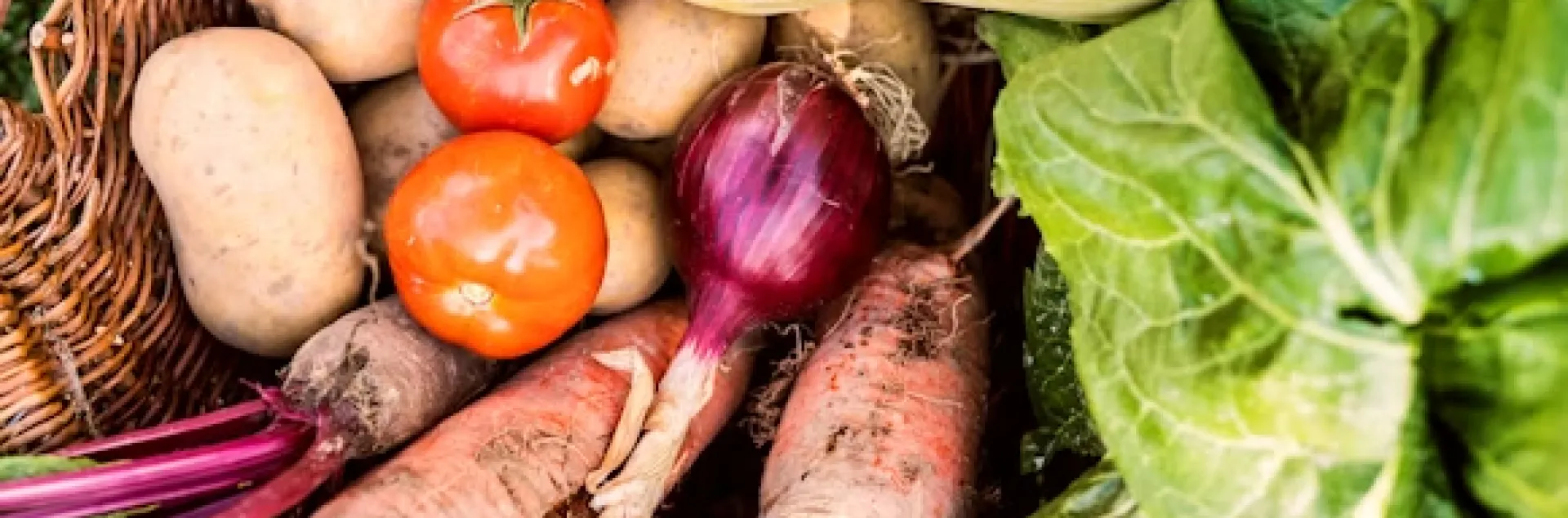
Have you ever harvested a tomato with a crack in the skin, found a few aphids on your kale, had a few holes in your cabbage leaves or dug up a crooked carrot and wondered what went wrong?
If so, you're not alone.
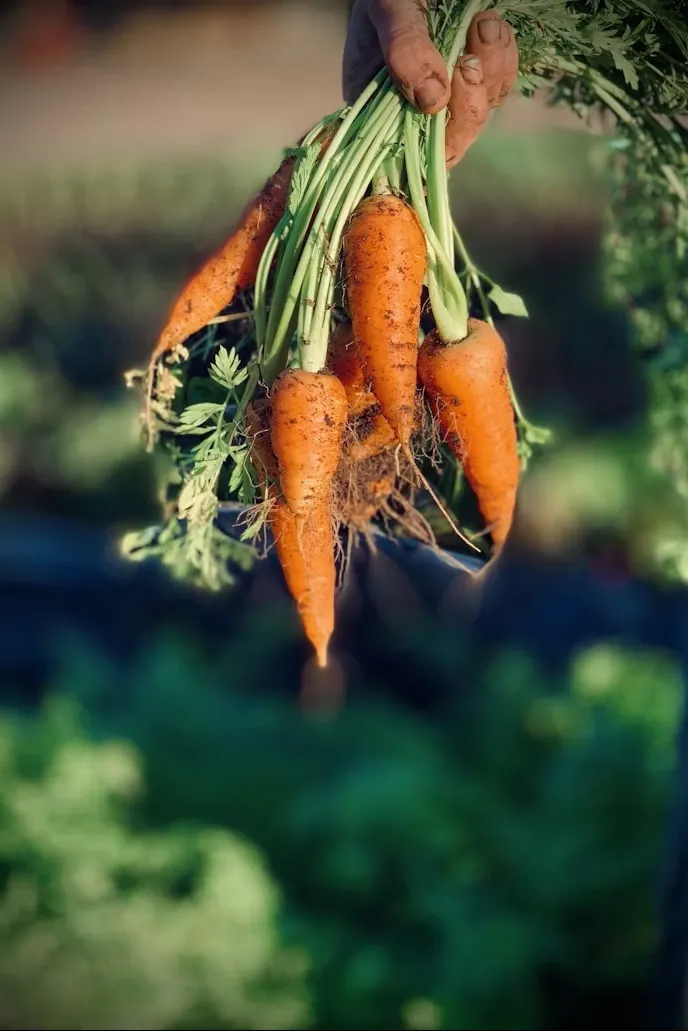
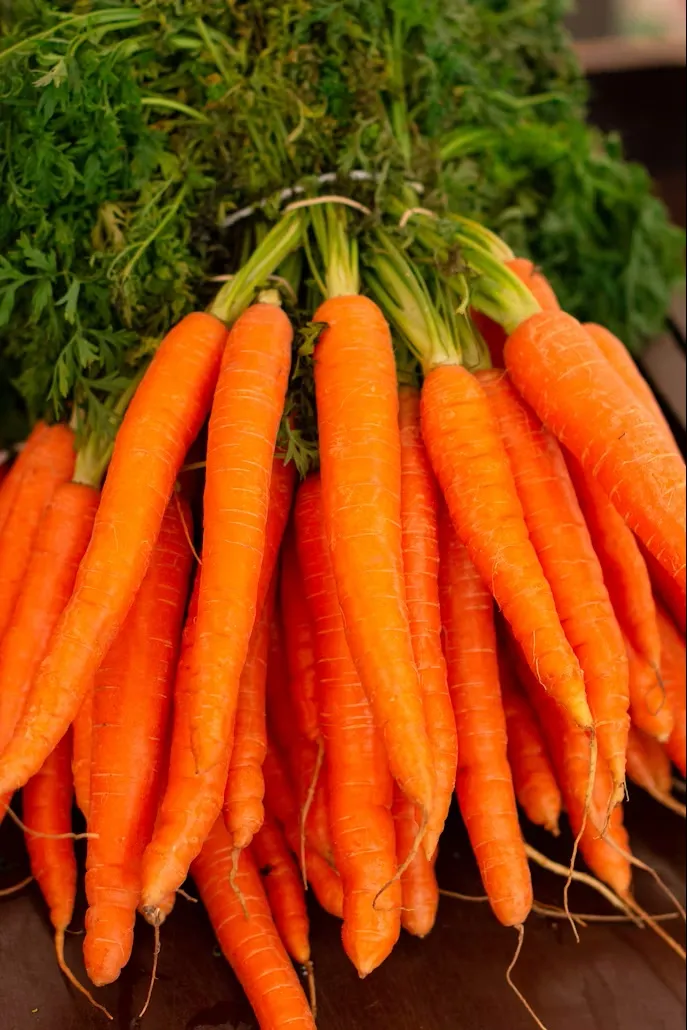
Many beginning and experienced vegetable gardeners expect homegrown vegetables to look like the flawless produce displayed in grocery stores. When their harvest doesn't match those expectations, they may feel disappointed or rush to treat every insect, spot, or blemish as a serious problem.
The reality is that vegetables in a successful vegetable garden often look very different from a supermarket produce aisle—and that's perfectly okay.
Homegrown and Grocery Store Vegetables Are Not the Same
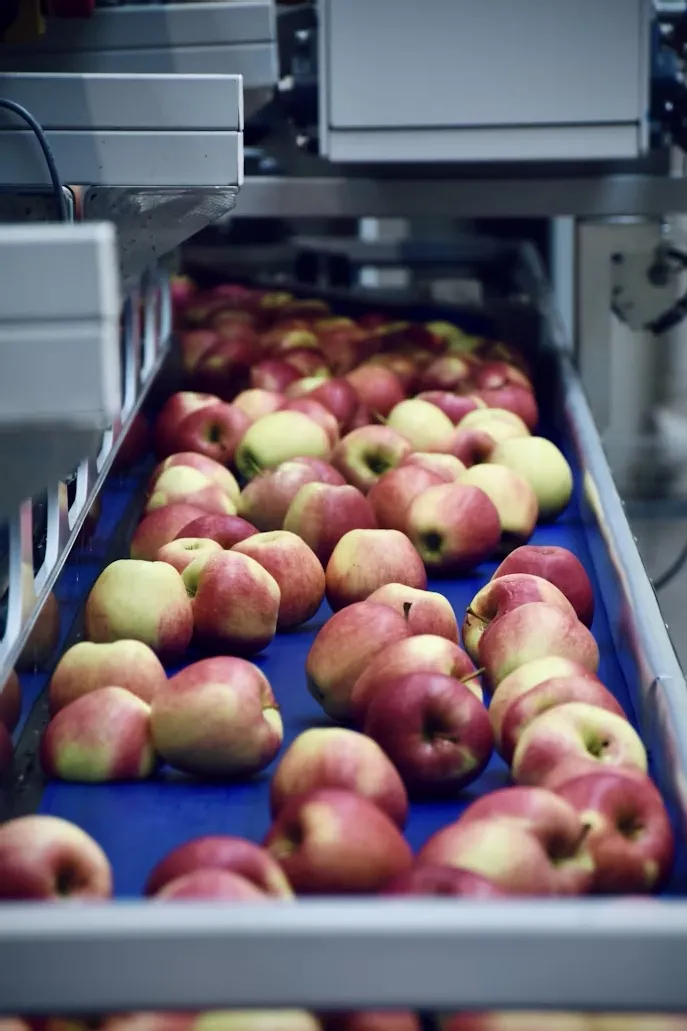
Commercial growers produce vegetables on a large scale using carefully selected varieties, precise irrigation systems, extensive monitoring programs, and post-harvest chemical treatments and sorting. Only the most attractive produce typically reaches store shelves. Vegetables with cosmetic defects may be diverted to processing for additives to food, animal feed, composting, or simply left in the field.
Home gardeners see the entire process. We witness every insect visit, every weather event, and every imperfect fruit. As a result, we see the good, the bad and the ugly of gardening and our harvest may not always look perfect but it is an accurate reflection of its environment. However, a slightly blemished tomato from your garden will provide a far superior eating experience compared with a picture-perfect tomato from the store.
Most gardeners agree that a sun-ripened tomato picked minutes before dinner bears little resemblance to one harvested green, shipped hundreds of miles, treated with ethylene gas to turn red and stored before reaching the grocery store. The same can be true for other vegetables such as peas, beans, cucumbers, squashes and melons etc. where the importance of shipping without damage to the produce takes priority over natural ripening in the field. See this reference for examples of how vegetables are processed commercially from field to the grocery store: University of California Postharvest Research Center
Not Every Insect Is a Pest
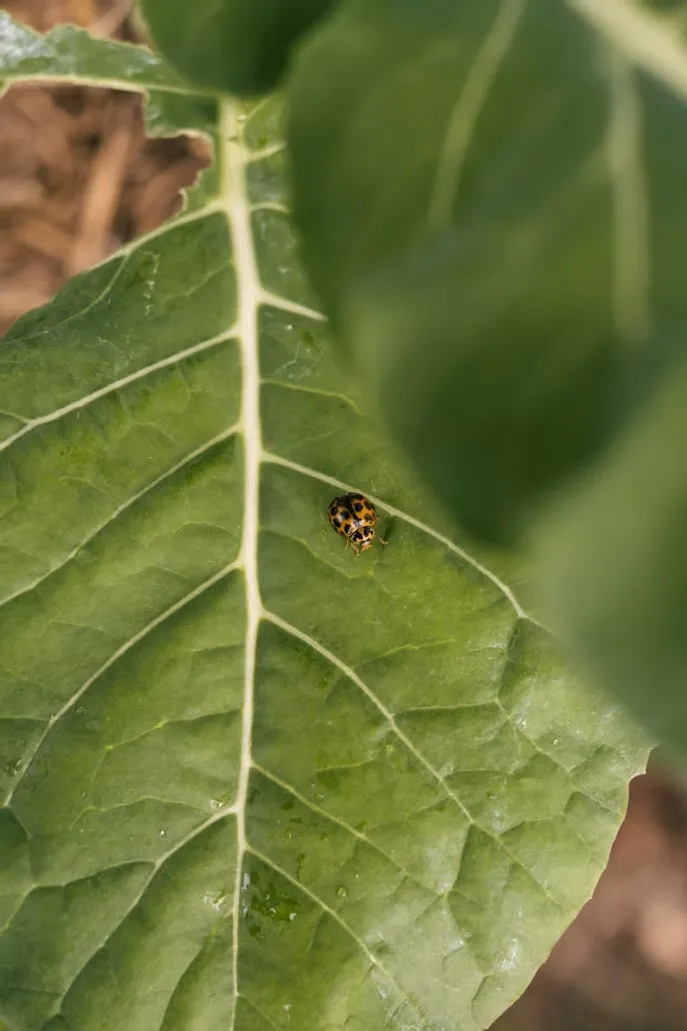
One of the most common misconceptions among new gardeners is that every insect found on a vegetable plant must be eliminated. In reality, many insects are beneficial or harmless. See examples of beneficial pests: Biological Control and Beneficial Pests
Lady beetles, lacewings, hover flies, parasitic wasps, and numerous predatory but beneficial insects help control aphids, caterpillars, and other garden pests. Pollinators are essential for many vegetable crops, including squash, cucumbers, and melons. Even insects that feed on plants often cause little actual harm.
Before taking action, ask:
● Is the damage increasing rapidly?
● Is the plant's health declining?
● Will the harvest be significantly reduced?
● Can I tolerate a small amount of damage?
Often, the answer is no intervention is needed. In cases where the damage is above your personal threshold of tolerance, there are almost always safe, organic approved methods to deal with the infestations. See for example: Battling Summer Vegetable Garden Pests - a Gardener's Guide.
The Goal Is Ripe, Tasty and Nutritious Veggies, Not Perfection
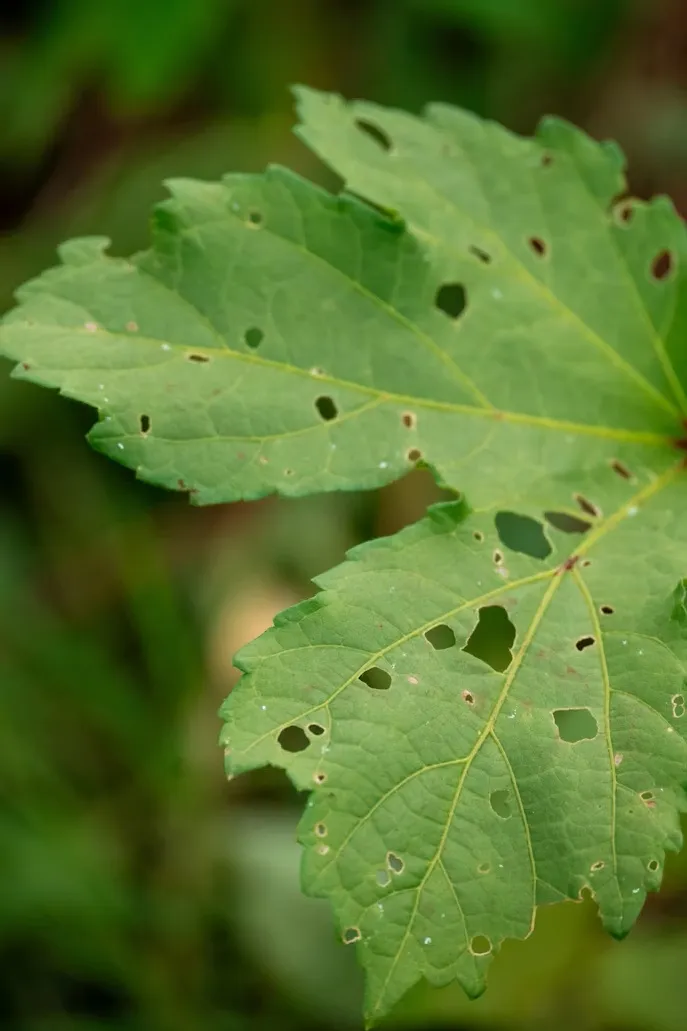
UC Integrated Pest Management (IPM) programs encourage gardeners to focus on plant health and yield rather than cosmetic appearance alone.
A few damaged leaves rarely affect a plant's ability to produce vegetables. Plants naturally lose leaves, experience minor pest feeding, and recover from environmental stresses.
Gardeners can save time, money, and frustration by learning to distinguish between cosmetic damage and problems that truly threaten plant health. Learning to tolerate minor imperfections is one of the most valuable gardening skills.
For example:
- A few holes in bean leaves usually do not affect bean production.
- Minor leaf spotting late in the season often has little impact on harvest.
- Occasional sunscald on peppers may affect individual fruits but not the entire crop.
- Small populations of aphids are frequently controlled by natural enemies.
- Learn to identify normal aging of plants vs serious plant disease.
- Simply remove any blemished or imperfect sections and consume the remaining healthy portions of the vegetable.
Vegetables Are Living Things
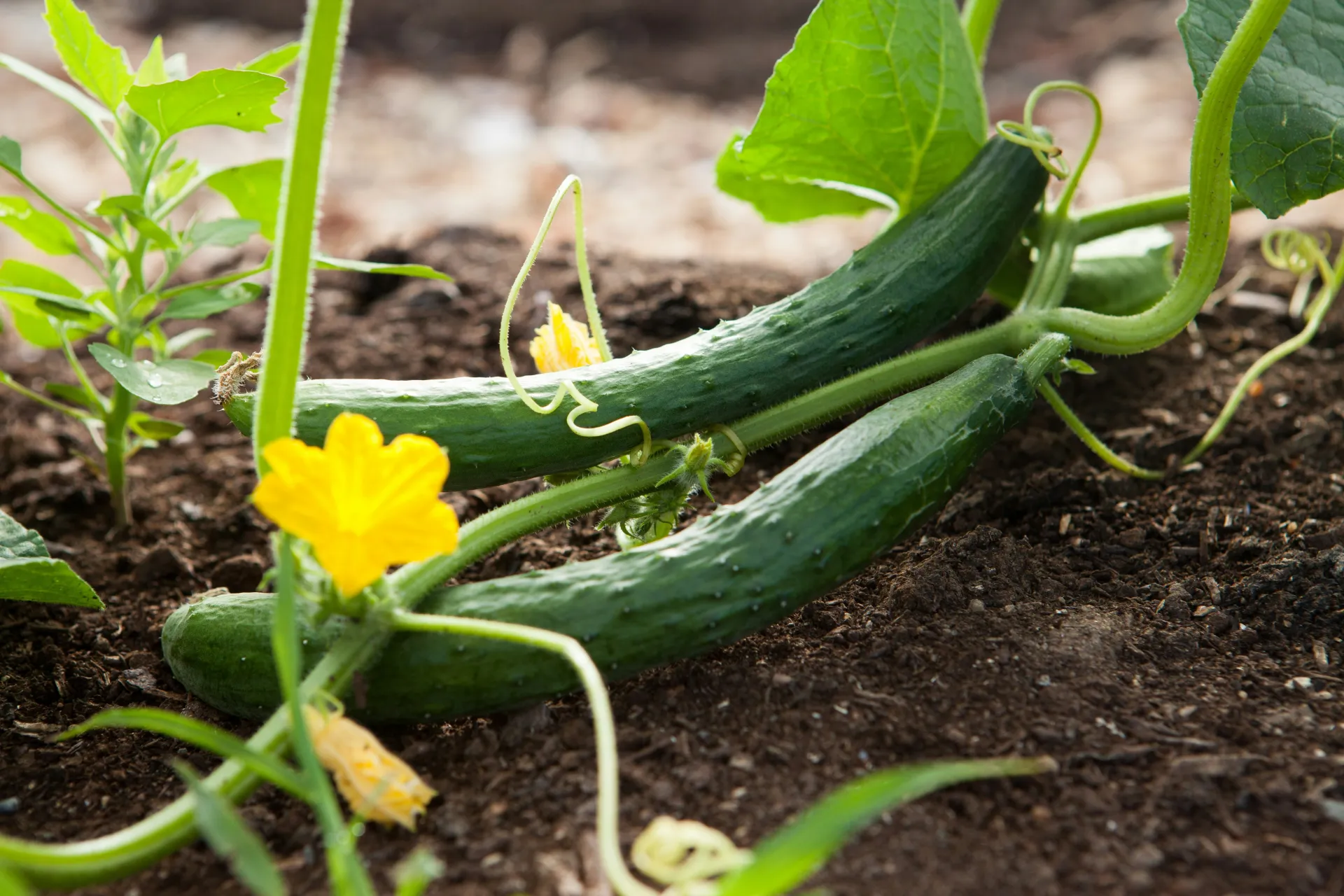
Plants are not manufactured products.
Weather changes, temperature swings, wind, insects, wildlife, soil conditions, and irrigation all influence plant growth. Some years tomatoes thrive while cucumbers struggle. The following year the situation may reverse. Experienced gardeners learn to take year to year changes in stride. In some years you might find that zucchini plants are not producing enough female flowers (a common problem) or that the tomatoes are ripening slower than they did the previous year. These year to year differences can sometimes be helped by choosing different vegetable varieties but in other cases, such as weather related differences, there is not much that can be done.
These occurrences are normal parts of gardening rather than signs of failure. Understanding the appropriate conditions for growing vegetables in your garden can also help improve the quality of your vegetables without applying chemical treatments. See this reference for all aspects of successfully growing vegetables: Growing Vegetables in Alameda County.
Beware of Overreacting
A common mistake is applying pesticides, fertilizers, or other products at the first sign of a problem. Over-treatment can sometimes create more issues than it solves.
Excess fertilizer may produce lush foliage but fewer fruit. Unnecessary insecticide applications can harm beneficial insects that naturally control pests. Frequent watering may contribute to root diseases.
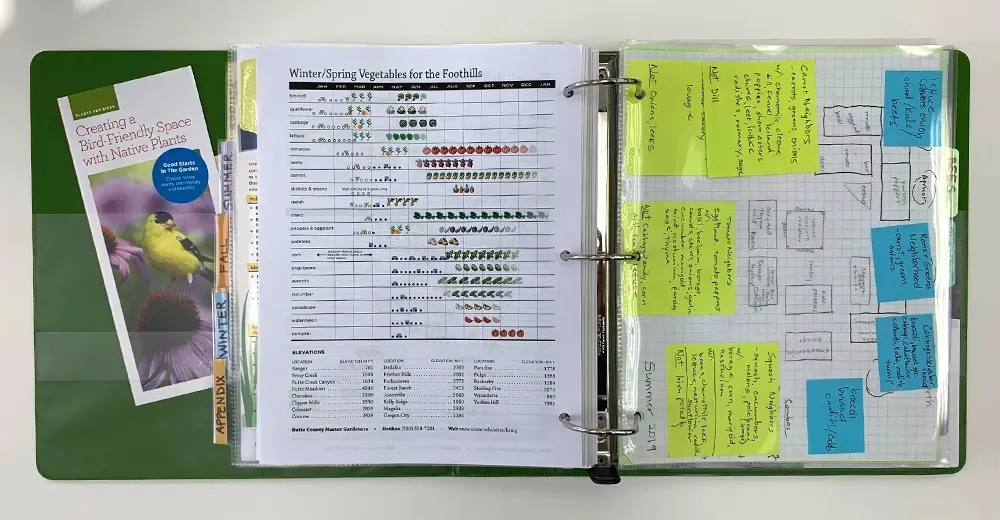
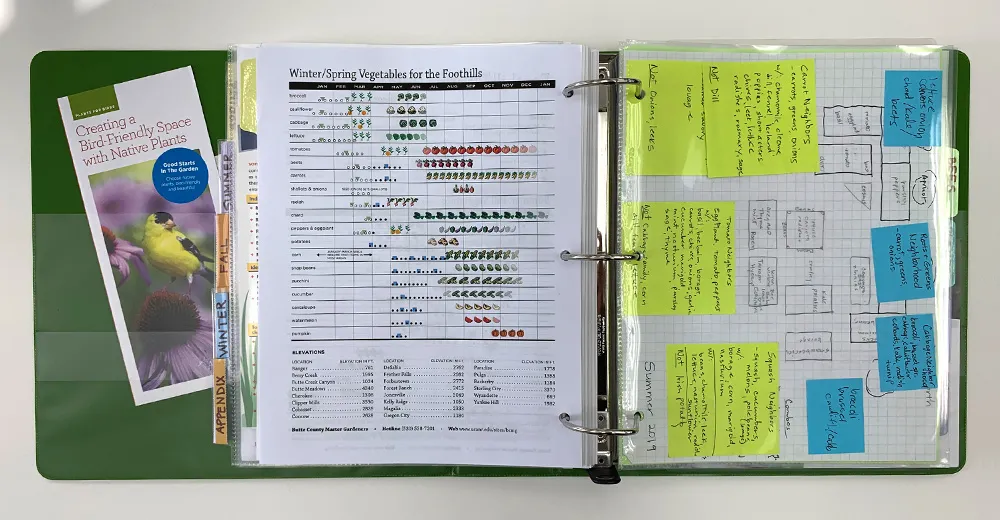
Often the best response is careful observation. Spend a few days monitoring the situation before taking action. Nature frequently provides its own solutions. It can also help to keep a garden journal making observations about the growth of the vegetables, when vegetables ripen, what insect issues arise and what techniques work best to safely treat them. Over multiple years, garden journals become invaluable as a means to go back and see what are normal growing patterns rather than unusual patterns you have never seen before. See this reference for tips on how to make a garden journal: Keeping a Garden Journal.
Celebrate the Successes
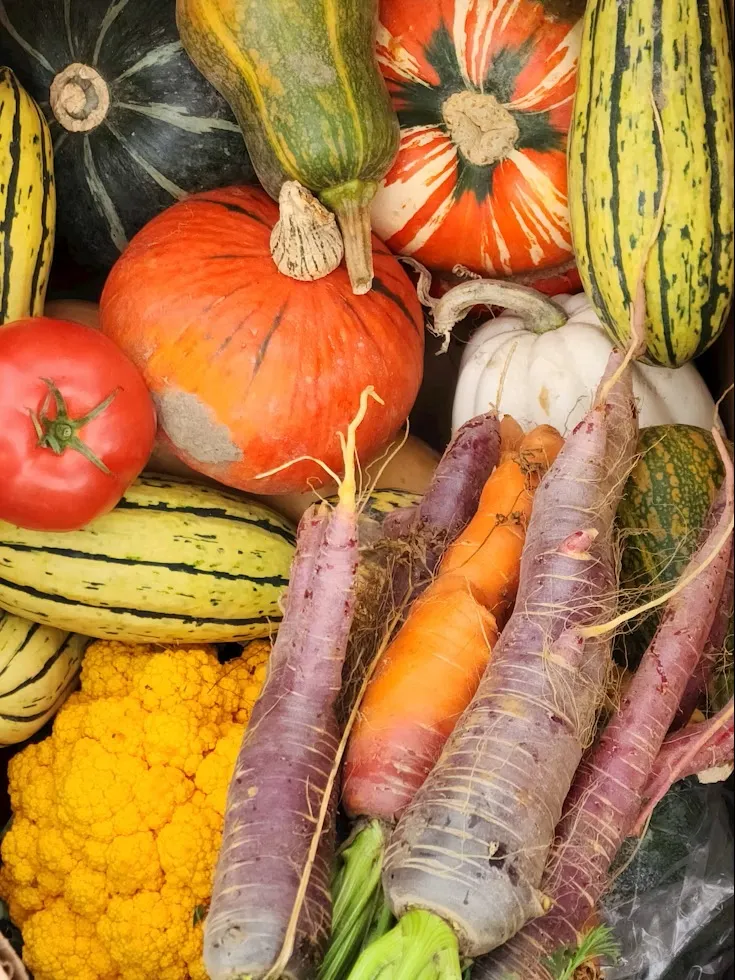
At the end of the season, consider what your garden accomplished.
Did you harvest tomatoes for salads and sandwiches? Fresh basil for pesto? Lettuce for salads? A handfuls of peppers, beans, or zucchini?
If so, pat yourself on the back, your garden was successful.
Vegetable gardening is not a competition against commercial agriculture. It is an opportunity to enjoy fresh food, connect with nature, learn new skills, and experience the satisfaction of growing your own food.
The tomato with a small crack, the pepper with a sun spot, or the kale leaf with a few insect holes still represents something remarkable: food grown by your own hands. Don’t be afraid to pick vegetables with imperfections and cut out the undesirable parts. In most cases only a small part of a vegetable is affected.
Your family and your neighbors will reap the benefits of good tasting, nutritious vegetables from your vegetable garden that don’t require a trip to the grocery store.
References:
University of California Postharvest Research Center. "Commercial Postharvest Handling of Fruits and Vegetables."
UC Statewide IPM Program. "Pests of the Home and Landscape."
UC Marin Master Gardeners. "Battling Summer Vegetable Garden Pests: A Gardener's Guide."
UC Marin Master Gardeners. "Keeping a Garden Journal."
UC ANR Alameda County Master Gardeners. "Growing Vegetables in Alameda County."
UC IPM. "Natural Enemies and Biological Control."UC IPM Natural Enemies and Biological Control”.
UC ANR. "UC IPM Pest Notes Library."
Want to learn more?
This blog post is brought to you by the Help Desk of the UC Master Gardeners of Alameda County. Subscribe to our blog!
Have a Gardening Question? We'll Help.
Visit our Help Desk page to submit your question and see additional ways you can reach us.