
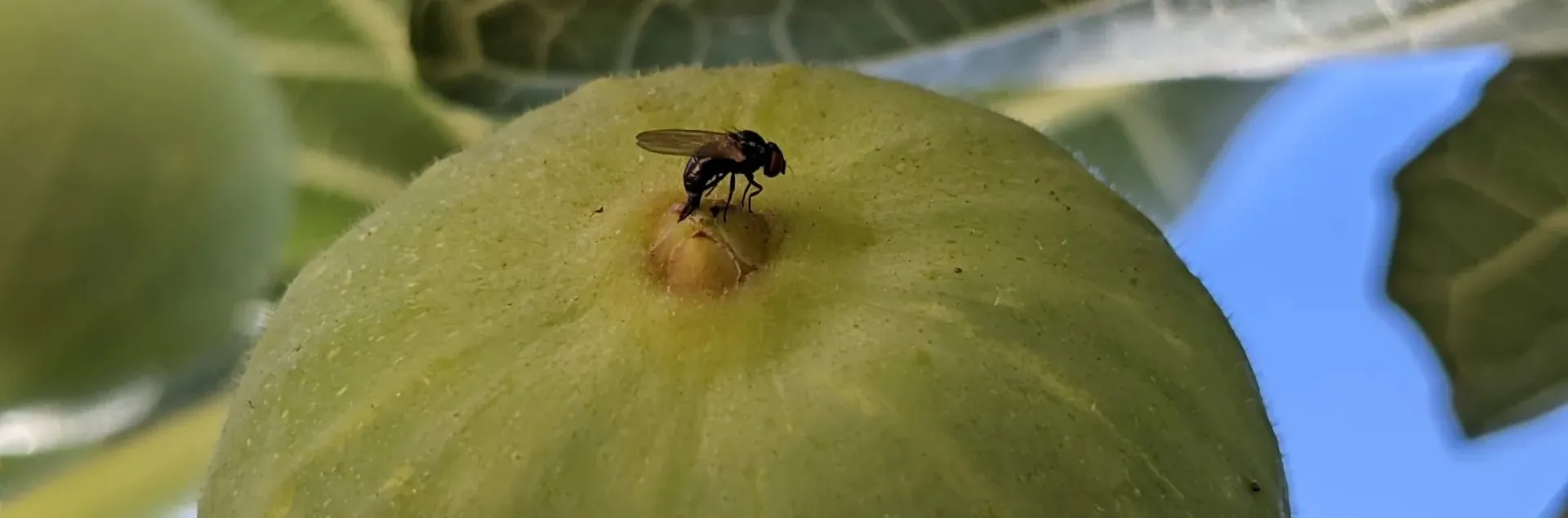
Black fig fly, now in the Bay Area.
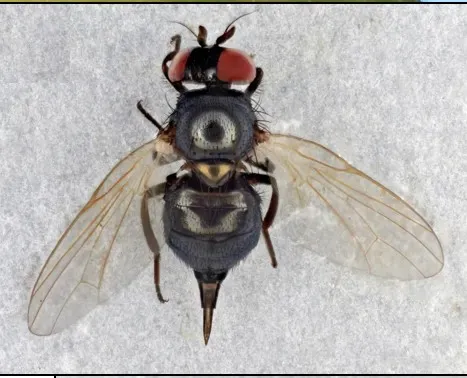
A new invasive pest, the black fig fly, Silba adipata, has been found in Alameda County. This pest exclusively feeds and reproduces on figs, and California produces almost 100% of the U.S. fig crop. The black fig fly (BFF) causes major fruit drop, a threat to the California fig yield, both for commercial producers and the home hobbyist growers.
Black fig fly life cycle.
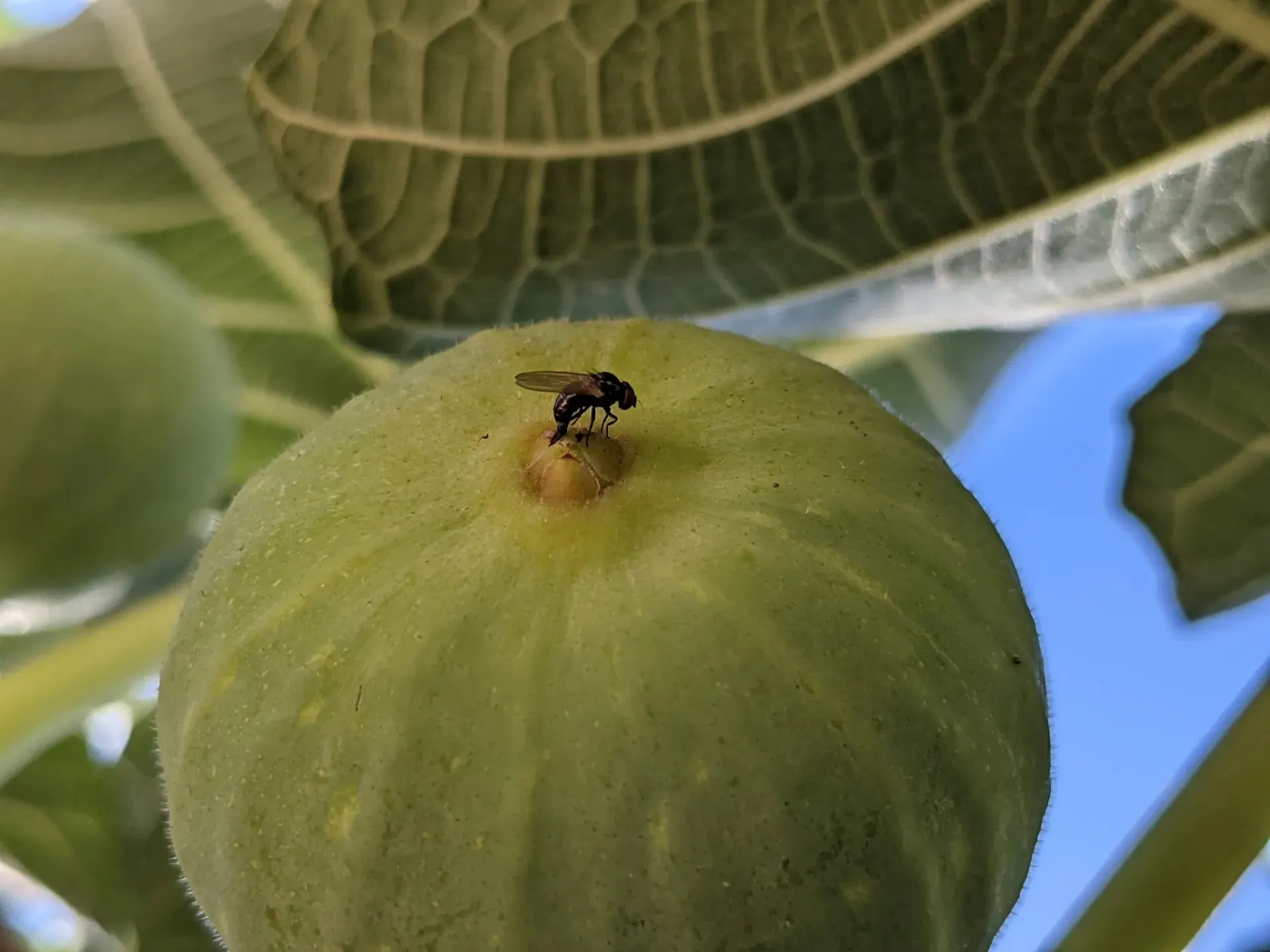
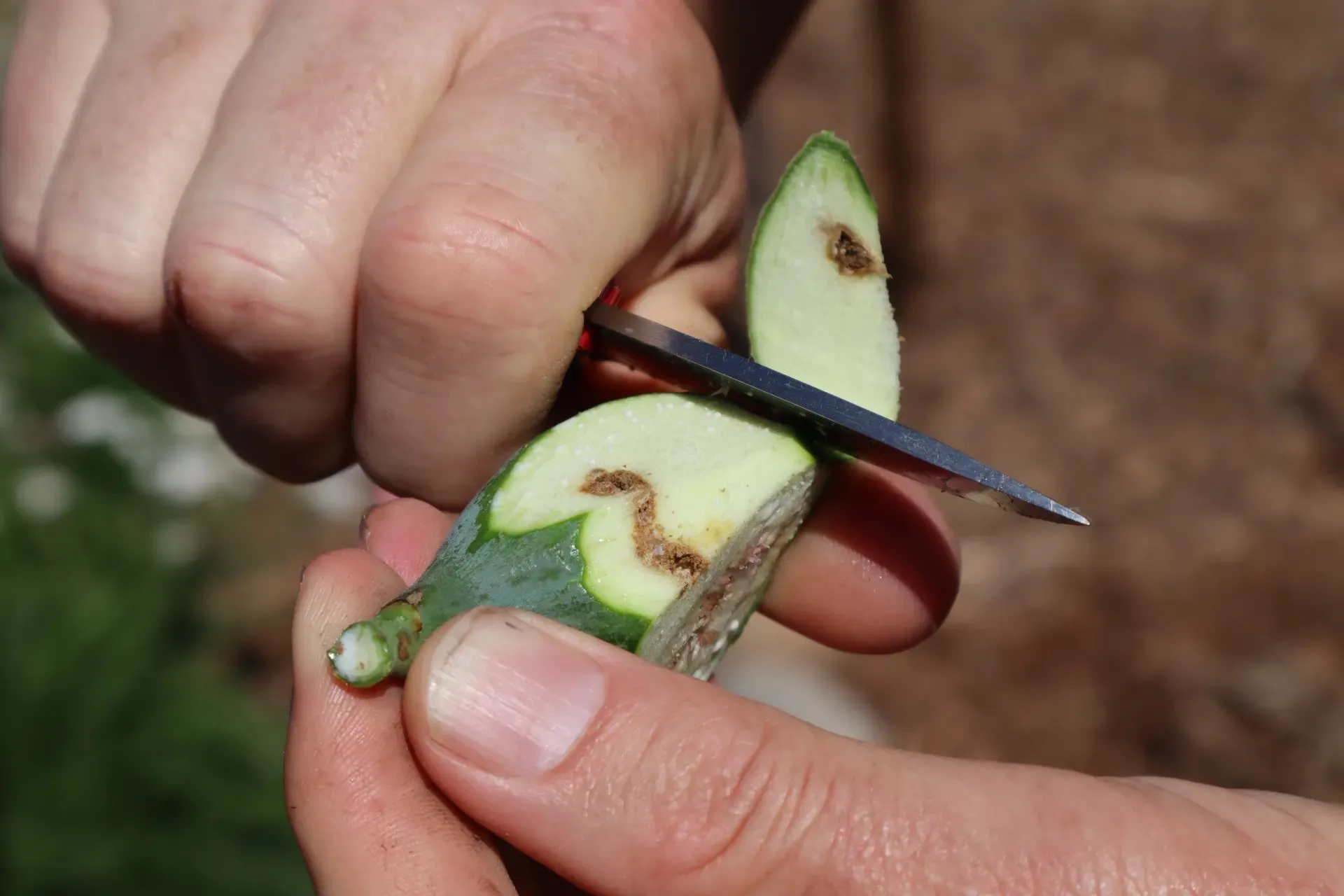
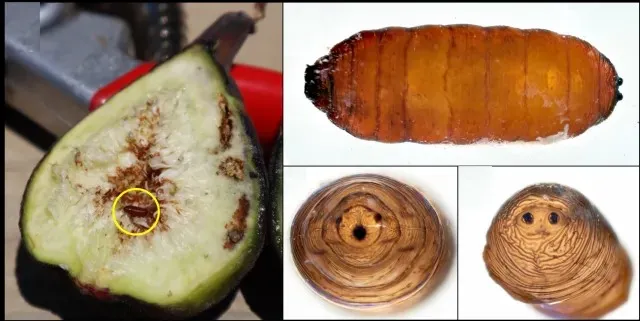
The Black fig fly, a small glossy black fly with reddish eyes, prefers unripe or unpollinated figs. The adult female lays eggs inside the fig through the ostiole, the eye of the fig. The larvae hatch and feed inside the fig, damaging to the fruit and causing it to prematurely drop from the tree. Eventually the larvae make their way out of the fruit, drop to the soil and pupate. The BFF overwinters as pupae in the soil. In the spring, the BBF emerges as adult flies, mates, and begins to attack figs. The BBF can have between 4-6 generations per year (more in warmer areas, fewer in cooler areas). The adult fly is known to feed on the sap from overripe figs and has a strong preference for the milky latex secreted by figs.
Here is a very informative YouTube video on Prevent and Manage Black Fig Fly (Silba adipata) by UCCE Integrated Pest Management Advisor, Eric Middleton. Since the video was created about a year ago, the video’s information on the spread of BBF has become outdated, the BBF has spread into areas beyond southern California.
Geographic spread of BFF.
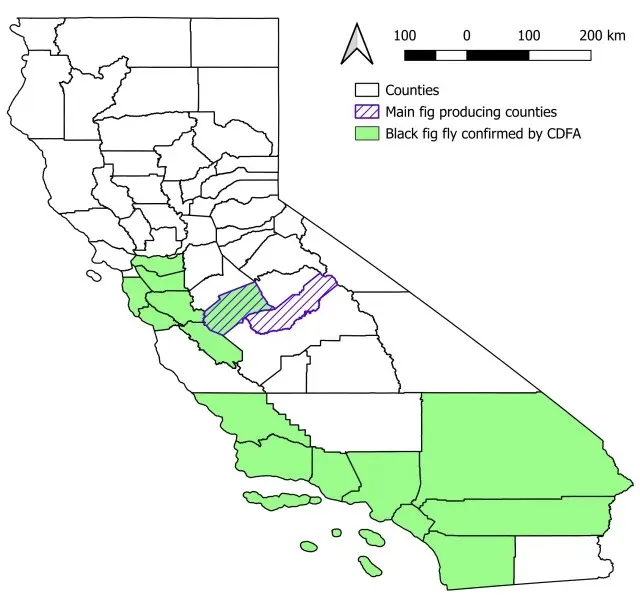
Black fig fly is native to the Mediterranean region and the Middle East. The BFF was initially discovered infesting figs throughout Southern California in Spring/Summer, 2021. Since then, the BFF has expanded into the Central coast, Bay area and Central Valley regions. To date (Oct, 2025), BFF infestations have been reported in the following counties: Alameda, Contra Costa, Los Angeles, Merced, Orange, Riverside, San Benito, San Bernardino, San Diego, San Luis Obispo, San Mateo, Santa Barbara, Santa Clara, Santa Cruz, and Ventura.
What should you do?
Don’t move fig fruit and potted fig plants out of the counties known to have black fig fly.
Limit movement of fig fruits and fig plants to prevent artificial spread of this pest. See above for counties affected. California figs are primarily grown in the Central Valley between Merced and Fresno, with many smaller orchards spread along the coast and in southern California. Earlier infested orchards were mostly limited to those coastal and southern California regions, but now the BFF has been found in Merced County, one of the major commercial production areas in the Central Valley.
Inspect your figs for signs of BFF activity
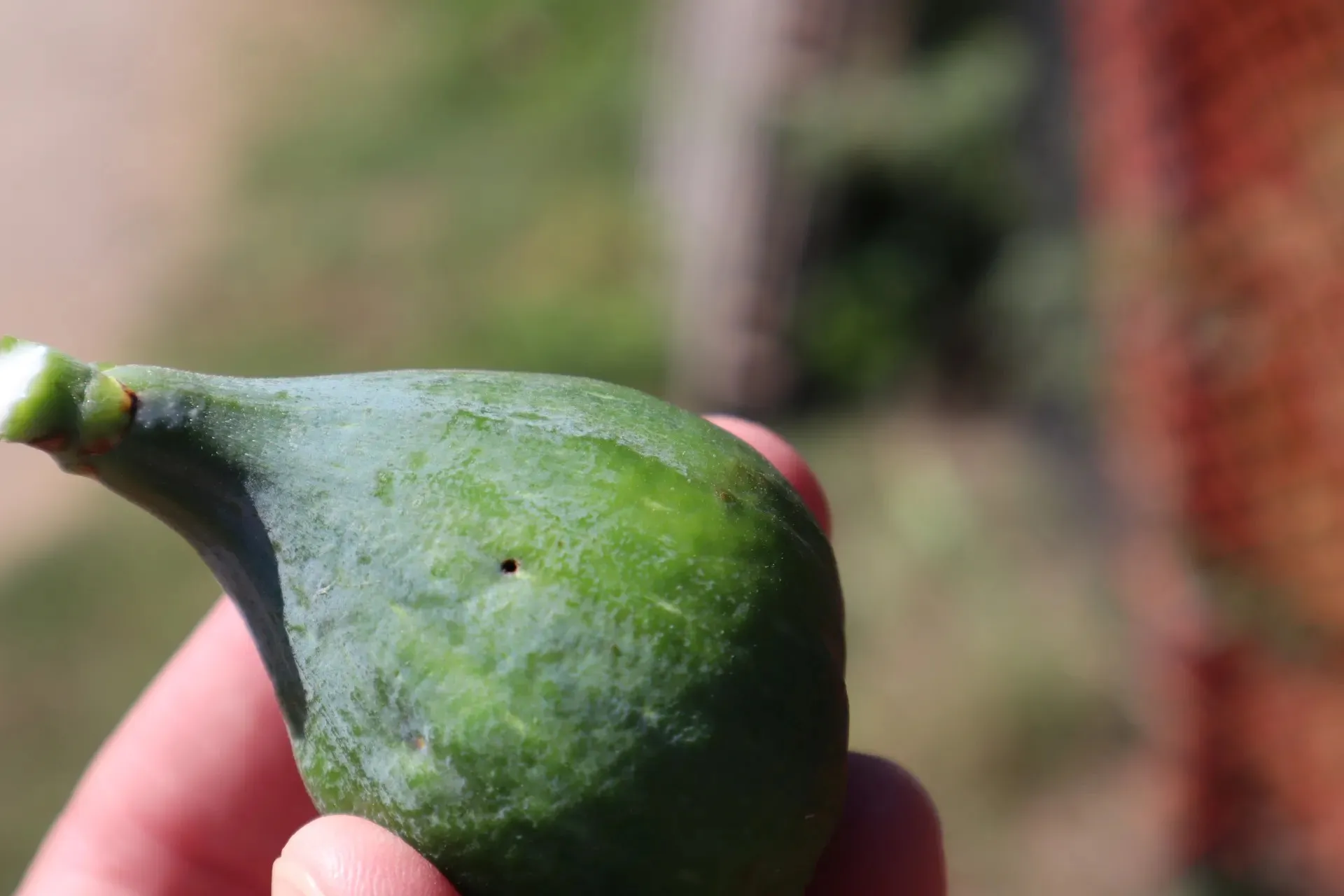
Signs of black fig fly infestations:
- Unripe fruit dropping prematurely
- Small exit holes in figs (where larvae have emerged from fig)
- Larvae feeding and damage inside the fig
Monitor for BFF adults using traps and lures.
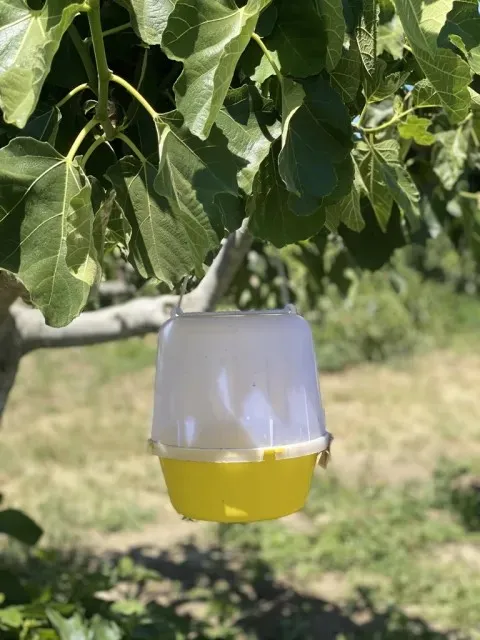
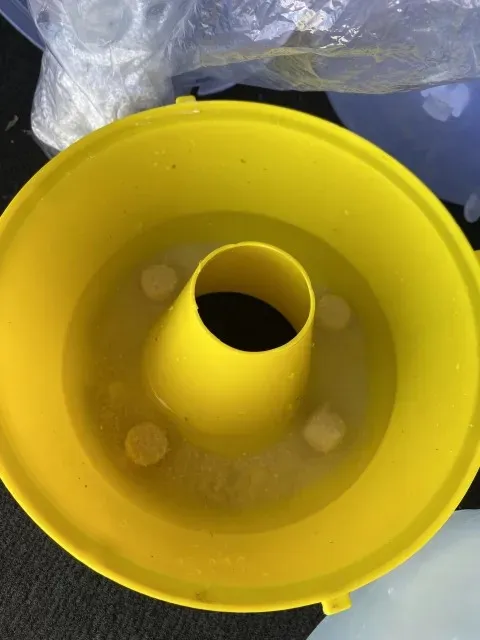
Populations of BFF adults can also be monitored using McPhail-type traps baited with torula yeast lures. For a single trap, combine 20 grams, or four tablets, of torula yeast with 400 ml of water and replace this solution every two weeks.
Biological control is very limited.
The only reported natural enemy is a generalist pupal parasitoid known to attack dozens of different hosts. A parasitoid is an organism, often tiny wasps or flies, that has young that develop within another organism (the host), eventually killing it.
Chemical controls are limited also.
Larvae in infested fruit are protected from pesticide sprays. There are no soil drenches (application of pesticide to soil) that are effective for pupal control. Research is being done on how to control BFF adults.
Cultural control is critical.
It is important to pick up any dropped fruit, not allowing BFF to pupate in the soil.
Remove any affected fruit from the tree, if possible.
Destroy any fruit infested with black fig fly.
Do not put infested fruit into compost. It should go into trash in sealed bags.
Try limiting adult BFF access to developing figs by placing small mesh (organza) bags over very young fruit quite early in development. This strategy has some success with homeowners, hobby and/or small-scale producers.
Similarly, since the BFF larvae pupate in the soil, plastic mulch (often called weed barrier or landscape fabric) under the tree canopy may impede this part of the life cycle and lead to increased BFF mortality.
Research and information-sharing is ongoing.
There is much research going on to find out more about black fig fly and figuring out ways for control to reduce the impact on fig trees and their crops. For more information, check out this website where new research will be posted: https://ucanr.edu/site/black-fig-fly-wilson-lab-uc-riverside. Research on the invasive Black Fig Fly (Silba adipata) is primarily headed by the Wilson Lab at UC Riverside. Associate Professor Houston Wilson, Ph.D., leads the extension and research projects aimed at monitoring the pest, evaluating chemical controls, and developing better traps and lures. The Wilson Lab has a media page on “Articles, Podcasts and Videos About Our Black Fig Fly Work” which can be helpful additional information from a variety of sources including California Rare Fruit Growers Association and Entomology Today. Click Here to Download the "Pest Alert" PDF (last updated October 2025)
References:
Black Fig Fly UC IPM
Black Fig Fly A New Invasive Pests of Urban Landscape
Identification and Biology | Black Fig Fly - Wilson Lab @ UC Riverside
PEST ALERT – Black Fig Fly CDFA alert with additional research information
Black Fig Fly | Department of Entomology UC Riverside - link to 2022 article on” Black Fig Fly: A New Invasive Pest in California” published in Entomology Today!
“First Report of Black Fig Fly, Silba adipata (Diptera: Lonchaeidae), in the United States” in Journal of Integrated Pest Management, Volume 13, Issue 1, 2022, 12, https://doi.org/10.1093/jipm/pmac009
Black Fig Fly | Topics in Subtropics
Prevent and Manage Black Fig Fly (Silba adipata) YouTube Video
Want to learn more?
This blog post is brought to you by the Help Desk of the UC Master Gardeners of Alameda County. Subscribe to our blog!
Have a Gardening Question? We'll Help.
Visit our Help Desk page to submit your question and see additional ways you can reach us.