
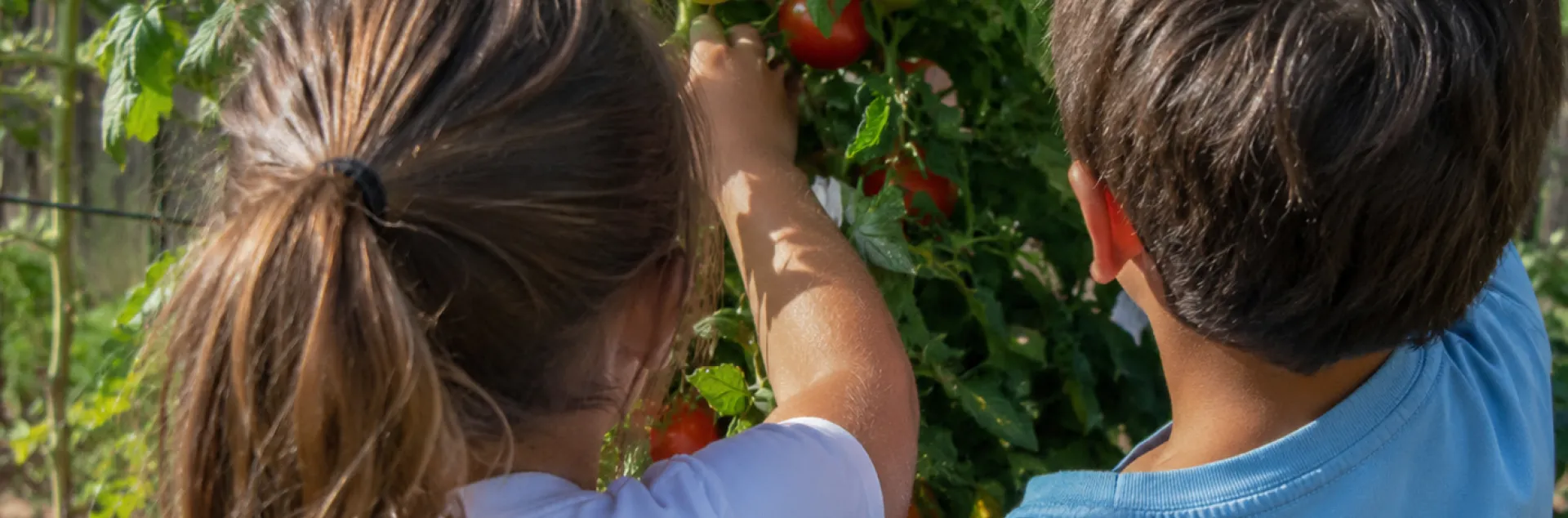
Summer is a great time to get kids out in the garden. Most children naturally like to dig, water things, hunt for bugs, and get messy. Gardening gives them something real to do, and they usually stay interested when they feel involved instead of just watching adults work.
One thing many adults forget is that children do not care if a garden looks perfect. They remember digging in the dirt, picking warm cherry tomatoes, spotting butterflies, or watering plants with more enthusiasm than accuracy.
Gardening with children is less about creating a perfect garden and more about letting them participate. If they get dirty, ask questions, and want to come back outside tomorrow, the garden is doing exactly what it should.
The nice thing is these activities do not have to be expensive or complicated. Some of the projects kids remember most are simple ones.
Grow a Pizza Garden
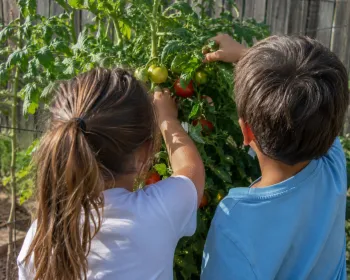
A pizza garden is always a fun project because kids already recognize the plants from foods they eat. You can grow tomatoes, basil, oregano, parsley, peppers, onions, or even garlic if you have room.
Containers work well for this project, especially with younger children. Let kids help fill pots with soil, plant seedlings, water regularly, and harvest when things are ripe. Cherry tomatoes are especially good because they grow quickly and children love picking them.
This is also a good opportunity to teach a few basic gardening lessons:
- Herbs usually like lots of sun.
- Tomatoes need regular watering.
- Bees help pollinate flowers so vegetables can grow.
- Picking ripe vegetables encourages plants to keep producing.
At the end of the season, make homemade pizzas using ingredients from the garden. Children are often much more willing to try vegetables they helped grow themselves.
Create a Garden Scavenger Hunt
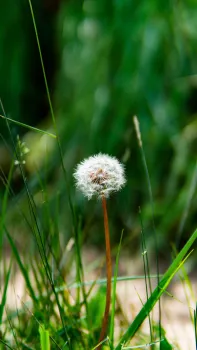
A scavenger hunt turns the garden into an adventure. This works especially well for younger children who may lose interest quickly if gardening feels too much like work.
You can make a simple checklist with things to find:
- A butterfly
- A bee or other pollinator
- A worm
- A flower bud
- Something fuzzy
- Something prickly
- A spider web
- A vegetable growing on a plant
You can also add activities:
- Smell an herb
- Pull three weeds
- Water a thirsty plant
- Count how many bees you see
- Find a leaf bigger than your hand
- Listen for birds
Kids begin paying attention to details they might normally overlook. It also encourages them to slow down and observe what is happening in the garden.
Paint Garden Rocks
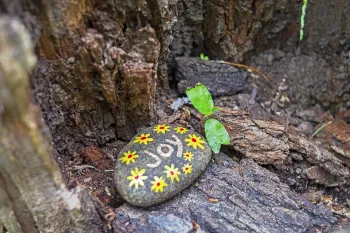
Painting garden rocks is easy, inexpensive, and popular with almost every age group. Smooth rocks work best. Water-based acrylic paints are usually easiest to use and clean up.
Children can paint:
- Plant markers
- Ladybugs or bees
- Flowers
- Funny faces
- Inspirational words
- Bright patterns for garden color
Once dry, you can spray rocks with a clear outdoor sealer if you want them to last longer.
The rocks can be tucked into flower beds, vegetable gardens, containers, or pathways. Kids enjoy seeing their artwork displayed in the garden.
Regrow Kitchen Scraps
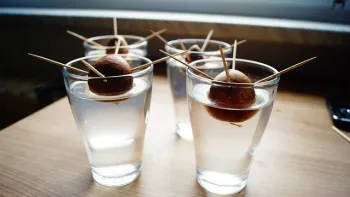
This activity feels a little like magic to children. They are often surprised to learn some foods can regrow from scraps that would normally be thrown away.
Easy ones to try include:
- Green onions
- Celery
- Romaine lettuce
- Carrot tops
- Sweet potatoes
- Avocado pits
Place the scraps in shallow water near a sunny window and change the water regularly. Green onions are one of the quickest and easiest for children to see results.
This activity is a simple way to introduce ideas about reducing waste and understanding how plants grow.
Create a Terrarium
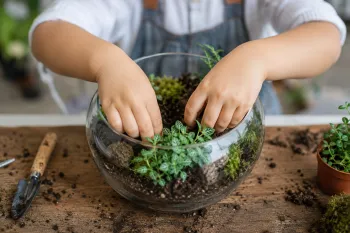
Terrariums are good indoor garden projects for very hot summer days. They also work well for children who may not have much outdoor space.
Use a clear container such as:
- A large jar
- Fish bowl
- Glass vase
- Clear plastic container
Start with a layer of small pebbles for drainage. Add potting soil and small plants like mosses, ferns, or succulents, depending on the container size and light conditions.
Children enjoy decorating terrariums with:
- Small rocks
- Twigs
- Tiny figurines
- Moss
- Shells
Terrariums also teach children about moisture and plant care because the container creates its own small environment.
Start a Worm Bin
Many children are fascinated by worms once they get over the initial “icky” reaction. Worm bins are a fun way to show how nature recycles food scraps into rich compost for the garden.
Red wiggler worms are commonly used for worm bins. A simple plastic storage container with air holes works well.
Children can help:
- Add fruit and vegetable scraps
- Shred newspaper bedding
- Spray water to keep bedding damp
- Check on worm activity
Avoid adding meat, dairy, oily foods, or too much citrus.
Kids usually enjoy seeing how quickly worms can break down kitchen scraps. It is also a hands-on lesson about healthy soil.
Start a Compost Pile
Composting is another great activity for children because they can actively help build it.
Teach children about “greens” and “browns”:
- Greens include fruit scraps, vegetable scraps, and fresh grass clippings.
- Browns include dry leaves, shredded paper, straw, and small twigs.
Children can help layer materials, turn the pile, and monitor moisture. Over time they see how old plant material breaks down into compost that helps gardens grow.
Many kids enjoy checking the compost pile for worms, pill bugs, and other decomposers.
Grow Giant Sunflowers
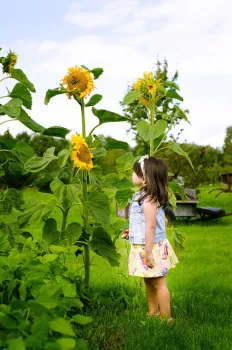
Sunflowers are one of the easiest flowers for children to grow successfully. The seeds are large enough for small hands to plant, and the plants grow quickly enough to keep kids interested.
Choose a sunny location and water regularly while plants are getting established.
Children love:
- Measuring the height each week
- Watching bees visit flowers
- Harvesting sunflower seeds later in the season
Some giant sunflower varieties can grow well over six feet tall, which makes them especially exciting for kids.
Make a Pollinator Garden
A small pollinator garden helps children learn about bees, butterflies, and hummingbirds.
Good flowers for pollinators include:
- Zinnias
- Marigolds
- Sunflowers
- Cosmos
- Lavender
Choose flowers with different bloom times so pollinators have food throughout the season.
This activity helps children understand why pollinators are important for both gardens and food production.
Keep a Garden Journal
A garden journal is a simple activity that works well for older children.
They can:
- Draw plants
- Record measurements
- Write observations
- Track weather
- Press flowers or leaves
- Record first harvest dates
Children often notice patterns over time when they regularly observe the garden.
Additional Reading and Resources:
Vermiculture Composting with Worms UC Master Gardeners of San Joaquin County
Composting UC Master Gardeners of San Joaquin County
Growing Herbs UC Master Gardeners of San Joaquin County
Edible Gardening UC Master Gardener Program
Photo Credits:
Children Harvesting Tomatoes: Image by AI
Avocado Seeds Sprouting: Image by martinjurekcz from Pixabay
Child and Sunflower: Image by marinaphotographyhenna from Pixabay
Dandelion: Image by CallMeScavenger from Pixabay
Painted Rock: Image by Roy Harryman from Pixabay
Child and Terrarium: Image by AI