
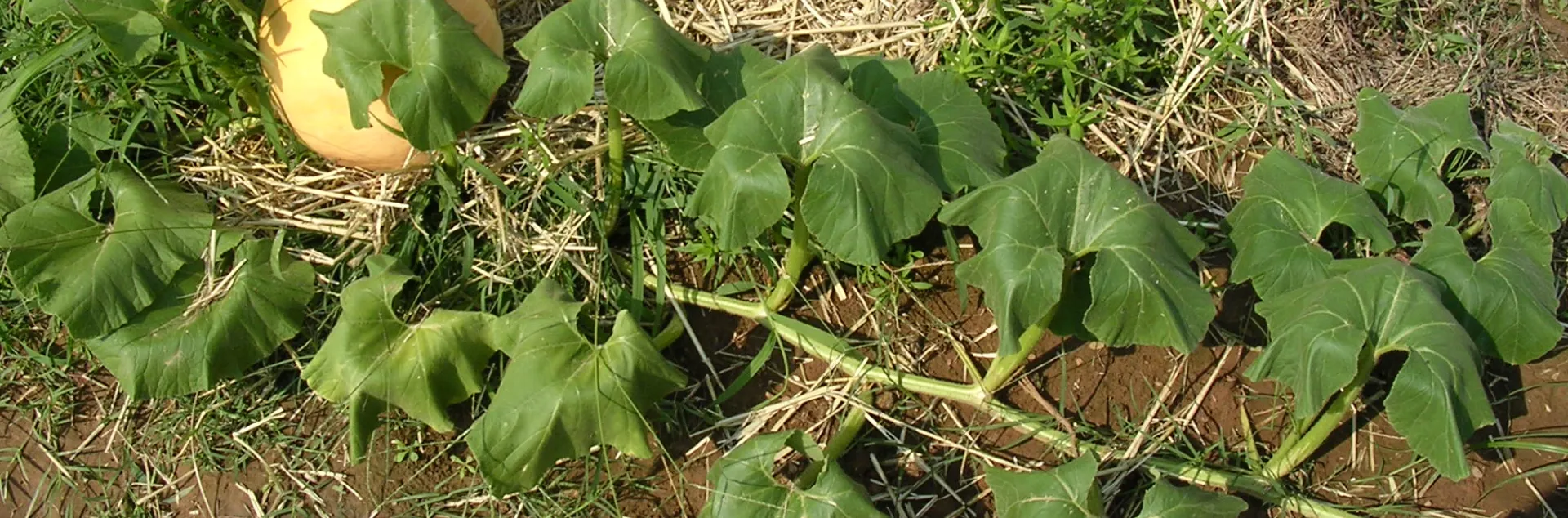
Eastern Sierra summers are usually hot, but temperatures over 100°F can place vegetable gardens and fruit trees under serious stress, especially given our intense sunlight. Plants lose water quickly, and their roots may not be able to replace it fast enough. Growth slows, leaves wilt or scorch, flowers drop, and exposed fruit can develop sunburn.
During extreme heat, check soil moisture regularly and irrigate deeply enough to wet the active root zone. Shallow watering keeps roots near the surface and unable to extract the full amount of moisture potentially available. (Of course, it's best to start that deeper watering long before summer's heat arrives.)
Early morning is generally the best time to water. A layer of mulch can reduce evaporation and keep the soil cooler, but keep your eye out for pests such as earwigs that also like the mulch. Shade cloth may help protect young plants and vulnerable crops.
Some commonly grown vegetables are often affected by high temperatures.
Tomatoes
Tomatoes may survive very hot weather but stop setting fruit. High daytime temperatures reduce pollen viability, while warm nights, often from heat stored in the ground from the day, interfere with pollination and fertilization by keeping the plant warm. Flowers may dry up and fall without producing tomatoes when the weather is hot.
Existing fruit can also develop sunscald, especially if leaves are sparse or have been removed. Tomatoes may ripen slowly or develop uneven color because prolonged heat interferes with pigment production. Keep plants evenly watered, avoid heavy pruning, and provide temporary afternoon shade if possible.
As a rule, plan of putting in a portion of your tomatoes as heat-set types. 'Sungold' tomatoes and many other small-fruited types are very productive in the summer, even if nothing really likes it super hot outside.
Green Beans
Green beans are especially sensitive to heat while flowering. Temperatures in the upper 90s and above can cause blossoms to drop and reduce pod production. Hot, dry conditions may also produce short, misshapen, or tough pods.
I've noticed a lot of variability by cultivar in beans' tolerance of heat. Some of the old heirlooms are very susceptible to heat issues. Choose varieties next year that mention heat tolerance in the description. I've grown 'Topcrop', 'Cherokee Wax', 'Borsalino', and 'Royal Burgundy' successfully here.
Harvest beans frequently and keep the soil consistently moist. Mulching around the plants will help protect their shallow roots. Once temperatures moderate, healthy plants may begin flowering and producing normally again.
Corn
Corn needs plenty of water during tasseling, silking, and ear development. Extreme heat can dry the silks, shorten the time that pollen remains viable, and interfere with fertilization. Poor pollination results in ears with missing or scattered kernels. I notice this most in small blocks of sweet corn.
Water corn deeply during this critical period. Because corn is wind-pollinated, growing it in blocks rather than a single row also improves the likelihood that pollen will reach the silks.
There isn't really a compelling reason in my opinion to mulch corn since it's tall enough to shade the soil anyway. Just keep it watered.
Squash and Pumpkins
Squash and pumpkin plants often wilt during the hottest part of the day, even when the soil contains adequate moisture. Their large leaves can lose water faster than the roots can replace it. If the plants recover by evening or the following morning, additional irrigation may not be necessary. Check the soil before watering because constantly saturated soil can damage the roots.
Prolonged heat can cause flowers or young fruit to drop, reduce pollination, and scorch exposed fruit. Keep the soil evenly moist, maintain a layer of mulch if possible, and avoid removing leaves that shade developing squash and pumpkins. A folding lawn chair can make a good temporary shade structure to protect a special pumpkin.
Unfortunately, squash bugs don't seem to mind the heat much.
Helping Plants Recover
Some heat damage is temporary. Flowers may drop, and growth may pause, but many plants will resume production when temperatures become more moderate.
Consistent watering is especially important during extreme heat because sudden swings between dry and wet soil can stress plants, damage fruit, and contribute to blossom-end rot in tomatoes.
Thoughtful watering, mulch, temporary shade, and protection of existing foliage will help gardens and orchards make it through the hottest days.