

Average temperatures in Sonoma County will increase two degrees by 2050, according to a climate change tool developed at the U.C. Berkeley. The tool, CalAdapt, also predicts more atmospheric rivers for our winter rainy season. We may expect the same amount of precipitation, but it will be delivered in short, heavy bursts, followed by longer periods of drought.
How will these changes impact our backyard orchards?
With the warming climate we can expect fewer chill hours for our fruit trees. Chill hours are the number of hours during winter that temperatures fall between 32 and 45 degrees. Many fruit trees require a certain number of chill hours to produce a normal crop. Without that, they don’t get the message to put out flowers and fruit.
As fruit trees respond to the changing climate, their adaptations could differ from pollinator climate adaptations, meaning their life cycles could get out of synch. Tree blossoms may not be available for active pollinators, which could be catastrophic for both. When you choose a bareroot tree variety adapted to your location, it’s more likely to match local pollinators’ life cycle.
These climate changes have implications for the health of your trees. For example, during a long warm period, a tree puts out buds or fruit. If the weather gets cold again, the frost can kill or damage the fruit. This is already happening but will occur more frequently. Heavy bursts of rain can lead to waterlogged roots, especially in heavy soils. Warmer temperatures and droughts can cause tree stress and damage fruit.
Excessive rain also increases the likelihood of diseases like peach leaf curl. So, you may have to adjust your disease management strategies and treat your trees more often. Increased temperatures also speed up the life cycle of insect pests. For example, codling moths may reproduce more often each year, leading to more crop damage in host fruits like apples and pears.
But fear not, there is hope! We have suggestions to protect your trees and ensure their success.
Do research before choosing a bare root fruit tree. Find varieties and cultivars that are pest and disease-resistant, require the fewest chill hours, are relatively heat and drought tolerant, and match your soil and water resources. The info tag on the tree should specify chill hours, rootstock and other useful information.
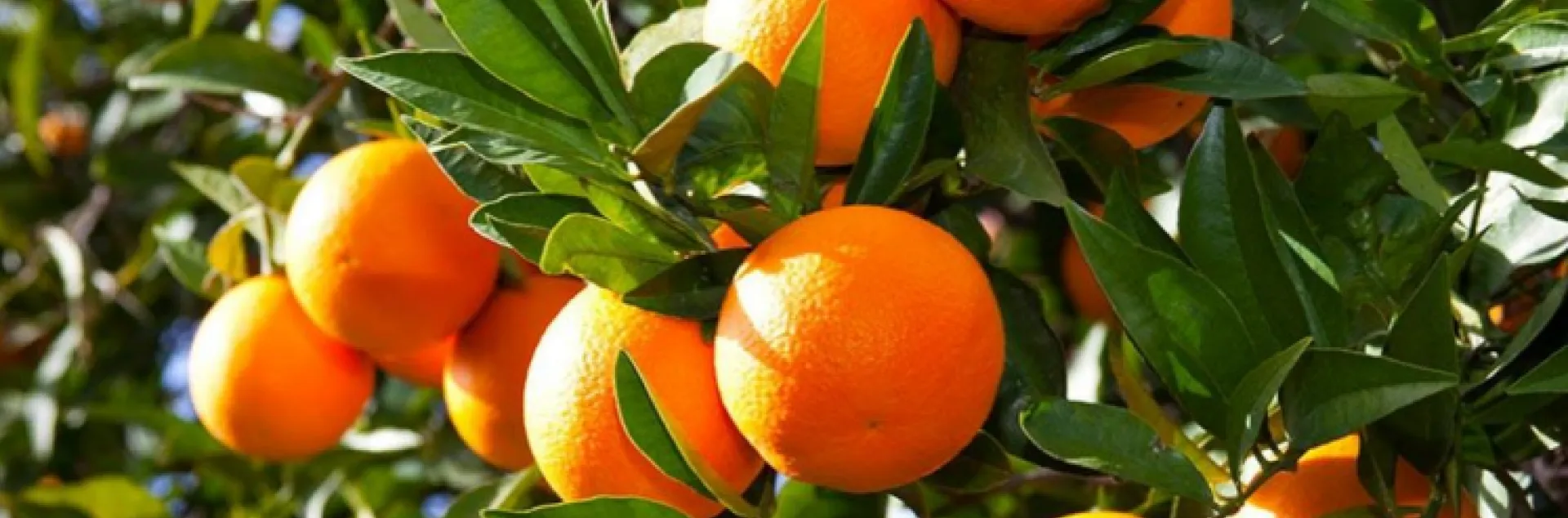
Choose trees that require fewer than 700 chill hours. Persimmon, fig, olive, citrus, avocado and varieties of apple, and peach, all require fewer chill hours.
Find a variety resistant to common local pests and diseases. For example, early maturing apples and pears are less likely to be affected by codling moths. Both Oregon Curl Free Peach and Pacific Pride Nectarine are resistant to peach leaf curl.
Choose rootstocks that perform best in your soil. A rootstock is the lower root producing part of a fruit tree that a scion — the upper fruiting part — is grafted onto. To determine the best rootstock for your soil, first identify your soil’s characteristics, particularly its drainage, and then match these to the rootstock’s tolerance for conditions like wetness or drought.
Match your water resources. Fruit trees are not drought-tolerant! Dwarf and semidwarf trees require less water and therefore will do better in longer periods of drought. If you can’t find a dwarf tree, you can prune a semi-dwarf to keep it small. The rootstock is what makes the tree dwarf, semi-dwarf or standard. If the info tag on the tree doesn’t specify what the rootstock is or nursery staff cannot confirm what the rootstock is, don’t buy the tree.
As plants and pollinators adapt to a changing climate, so must we. Happy planting!
For more information on choosing the right fruit trees for our changing climate:
- About Cal-Adapt
- Planting Bare Root Fruit Trees
- Hardiness Interactive Map
- Rootstock Characteristics
- Fruit Trees in a Drought
Contributors to this week’s column were Julie Hébert, Therese Arsenault, Lynn Fuller, Karen Felker and Lisa Howard.