
New research shows overwhelmingly positive outlook on climate action among visitors to tree- and shade-themed art exhibition
By Tina Deines for UCLA
Key Takeaways
- A new UCLA Luskin Center for Innovation study found that visitors to a shade-themed art exhibition overwhelmingly expressed hopeful views about climate action.
- Most participants said their neighborhoods lack enough shade-producing trees for walking on hot, sunny days and preferred trees over built shade.
- The findings suggest that interactive art exhibitions can help researchers better understand public perceptions of shade, urban heat, and climate adaptation.
Care and kindness. Shade and relief.
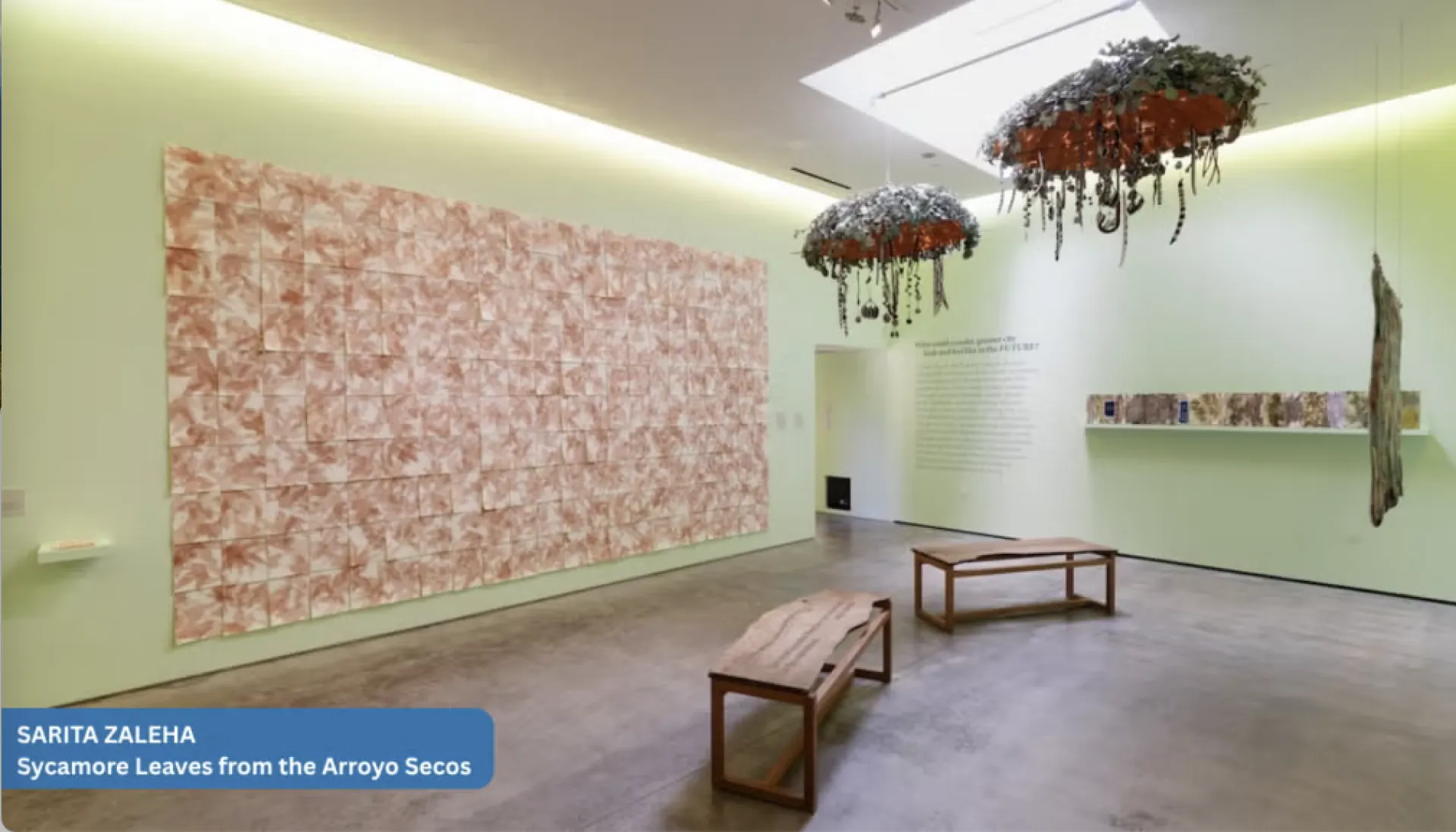
These are some of the messages of hope that visitors shared after viewing dozens of shade-themed artworks and participating in interactive activities at an exhibition that explored the role of trees and shade in Los Angeles.
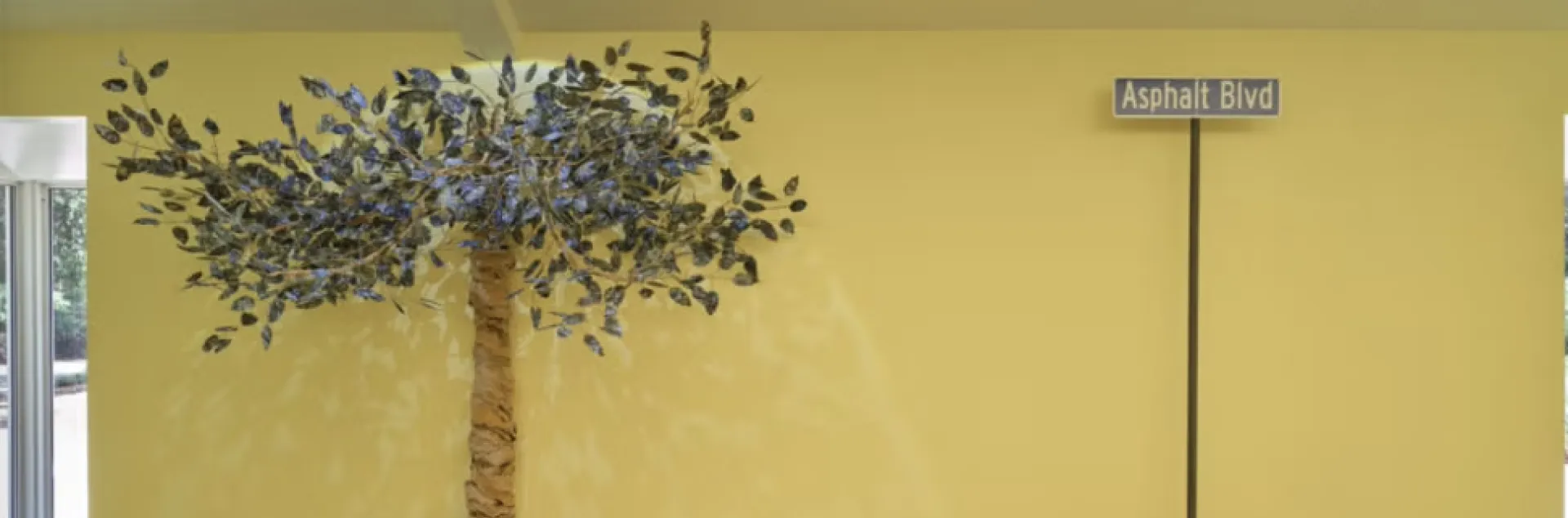
“Roots of Cool: A Celebration of Trees and Shade in a Warming World,” co-curated by Edith and Jolly de Guzman, took place at Descanso Gardens in Los Angeles from July 12 to Oct. 12, 2025. The exhibition explored the relationship among urban trees, heat, environmental justice and neighborhood well-being. It also highlighted how decades of discriminatory planning and disinvestment have left lower-income areas with fewer trees and hotter streets.
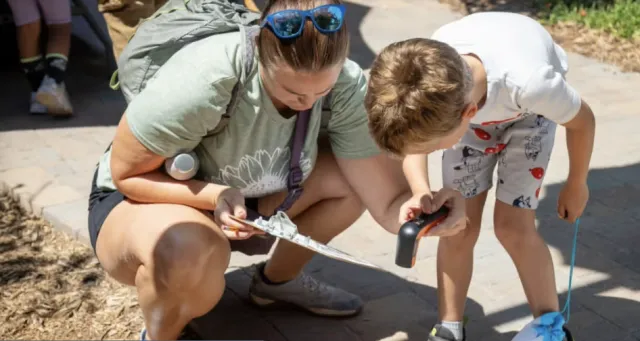
The art show included interactive components, such as surveys and prompt-based activities using drawing and writing — all of which were compiled and analyzed. The center’s new report is among the first to examine how people respond to climate adaptation messages immediately after experiencing an interactive art exhibition. It is also one of the first to use participatory exhibitions to better understand public perceptions of shade equity and climate adaptation.
One finding was that a majority of respondents did not feel that their neighborhood had enough shade-producing trees for walking on a hot, sunny day. Another prompt asked people to choose a shade fact from a list that surprised them the most. Most people selected the statement, “School playground surfaces often get hot enough to cause second-degree burns.”
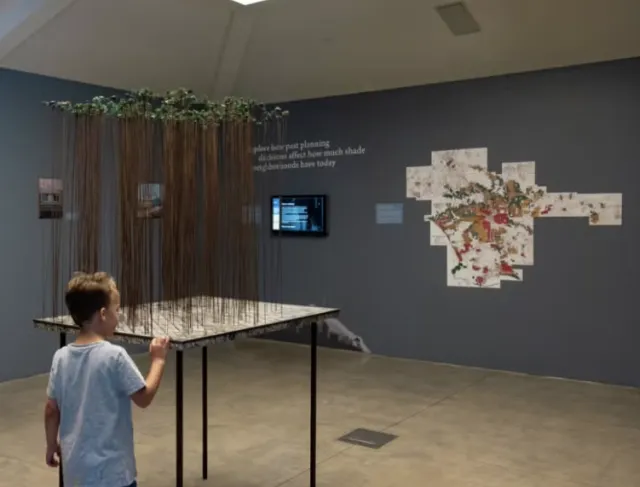
Overall, participants responded to the exhibition with far more optimism than despair.
“Most participants communicated positive, hopeful sentiments, indicating that visitors viewed shade equity as a challenge that communities can collectively address rather than as an insurmountable problem,” said Edith B. de Guzman, UC Cooperative Extension specialist with the UCLA Luskin Center for Innovation and exhibit co-curator.
For one activity, participants created postcards in response to prompts about their visions, sentiments, and concerns about a hotter climate by drawing and writing. Researchers analyzed 1,913 cards that answered the prompt, assigning each an emotion that best represented its drawn and written content. The most common was “positive,” followed by “joy” and “anticipation.” The drawings also showed a strong preference (69%) for trees and natural shade over built shade, such as awnings or bus shelters.
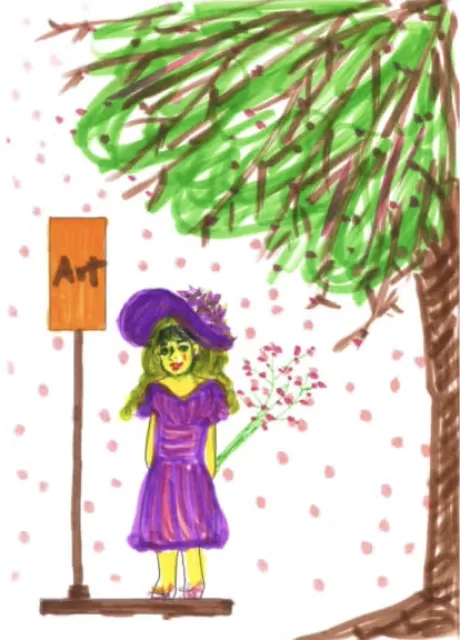
“This event served as a living lab of sorts. Our findings show that interactive art exhibitions can be educational and serve as valuable participatory research tools,” exhibit co-curator Jolly de Guzman said. “It provided actionable insights into community perceptions and preferred shade solutions that can inform more equitable and locally responsive climate adaptation strategies,” added Edith.
The exhibition and its programs were presented in collaboration among UCLA Luskin Center for Innovation, UC Agriculture & Natural Resources, Los Angeles Center for Urban Natural Resources Sustainability, TreePeople, Arroyo Arts Collective, The Nature of Cities, Avenue 50 Studio, USC Public Exchange, ShadeLA, Dashboard.Earth, and Accelerate Resilience Los Angeles.
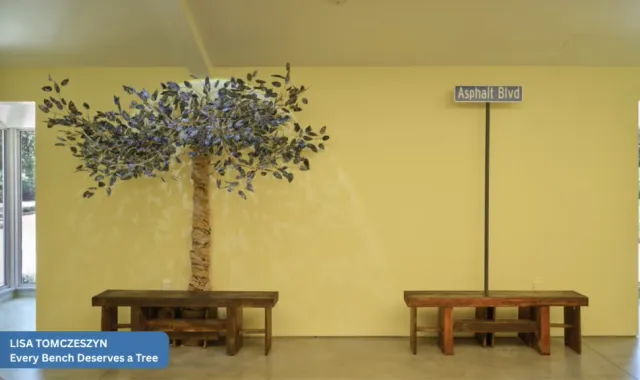
Read the full report “Engaging the Public on Shade Equity Through Art” by Edith B. De Guzman, Scarlett Blythe, Stella Faulkner, Cate Gregory, and Leonard Holler. Learn more about the center’s research on heat equity and shade infrastructure planning.
This research was funded by UC Agriculture and Natural Resources; Perenchio Foundation; Accelerate Resilience L.A., a sponsored project of Rockefeller Philanthropy Advisors; TreePeople; and Heather Sturt Haaga, and Paul G. Haaga, Jr.
This exhibit and report about shade equity is the second of an art and education series presented by UCLA Luskin Center for Innovation and UC Agriculture & Natural Resources. The first art show and published research were about water equity, quality and access in Los Angeles.
This story was first reported by UCLA Luskin Center for Innovation.