


Roof rats are becoming an increasing concern for California growers, causing damage to crops and infrastructure while creating potential food safety risks. Because these rodents are most active at night and spend much of their time in trees, infestations can be difficult to detect until populations are well established. Monitoring data suggests roof rat populations are expanding in California, making early detection and management more important than ever. Understanding how to identify and manage roof rat activity can help small-scale and diversified growers protect their crops, infrastructure, and bottom line.
Research conducted by University of California scientists points to a clear path forward. By combining monitoring, baiting, and trapping within an integrated pest management (IPM) program, growers can reduce rat populations and limit damage to their orchards.
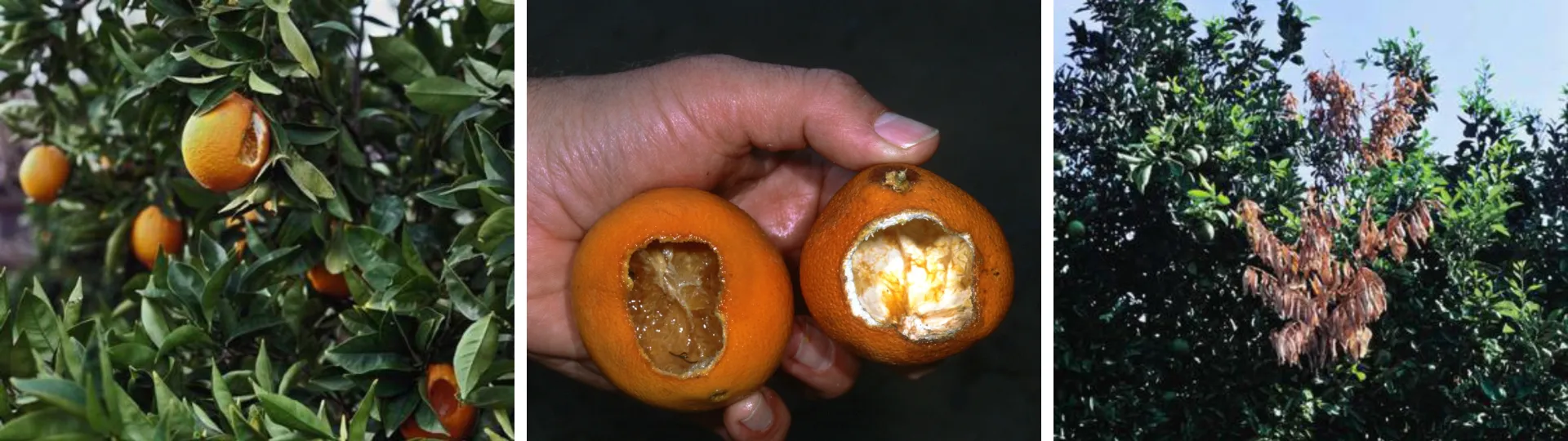
Signs of Roof Rat Activity
Roof rats can cause damage in several ways:
- Feeding on fruit and nuts
- Girdling branches and young trees
- Chewing drip irrigation lines and other infrastructure
- Leaving droppings in orchards and around equipment
Damage is often most noticeable near orchard edges, waterways, unmanaged vegetation, or neighboring abandoned orchards that provide food and shelter.
Step 1: Monitor Before You Manage
An effective IPM program starts with monitoring.
Tracking tunnels equipped with ink cards can help identify where rats are active. As rats move through the tunnels, they leave footprints on the cards, allowing growers to identify activity hotspots. Trail cameras can provide additional information about rat movement and behavior.
Monitoring helps determine whether management is needed, where to focus efforts, and whether control measures are working. Regular monitoring can also provide early warning of reinfestation before populations reach damaging levels.
Step 2: Use Baiting for Initial Population Knockdown
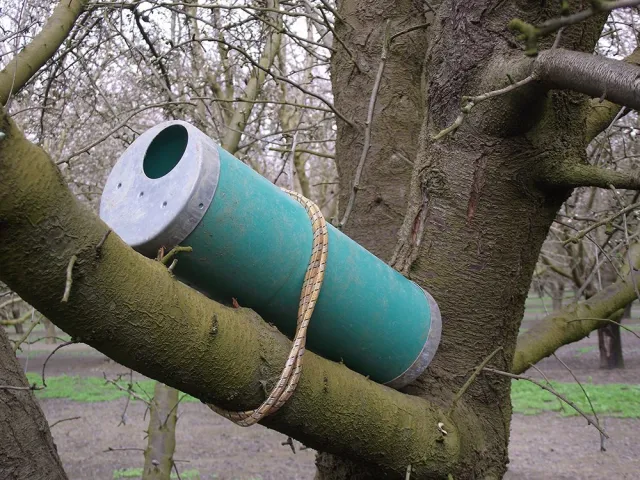
When rat populations are high, baiting is often the most effective tool for rapidly reducing numbers.
Bait stations should be checked regularly and replenished as needed until feeding activity declines. Research has shown that a substantial population reduction can often be achieved within about four weeks, although heavily infested orchards may require additional time. Consistent bait availability is critical to success.
Properly designed bait stations can help improve effectiveness while reducing risks to non-target wildlife. Stations should be inspected regularly, and any spoiled or spilled bait should be removed promptly.
Step 3: Know the Rules
Before using rodenticides, be sure to review current label requirements and local regulations.
For 0.005% diphacinone baits used in orchards:
- Bait stations must be placed at least 5 feet above the ground.
- Fouled or contaminated bait must be removed and properly disposed of.
- Dead rodents should be collected and disposed of according to label directions.
Carcass collection is an important part of responsible rodent management. Removing dead rodents helps reduce risks to wildlife, pets, and other animals that may scavenge carcasses. It also helps maintain sanitary conditions in and around the orchard.
Growers should also stay informed about current pesticide regulations and restrictions that may apply in their area.

Step 4: Follow Up with Trapping
After reducing populations through baiting, trapping can help maintain control and prevent reinfestation.
Research has shown that snap traps placed inside protective trapping tunnels can be effective in orchard settings. These tunnels help protect non-target animals while encouraging rats to enter the trap.
Monitoring data can help identify where traps should be placed for maximum effectiveness. Traps should be checked and maintained regularly, with bait replaced and traps reset as needed—e.g., every three weeks.
Step 5: Keep Monitoring
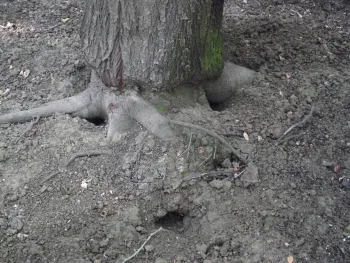
Roof rat management is not a one-time effort.
Researchers recommend ongoing monitoring throughout the year to evaluate population levels and detect new activity. If monitoring indicates that rat numbers are increasing, growers can respond quickly with additional baiting, trapping, or other management measures before substantial damage occurs.
Work with Your Neighbors When Possible
Roof rats do not recognize property boundaries. Research has shown that individual management efforts can be successful, but coordinated action across neighboring properties can improve results and reduce the likelihood of reinfestation.
This can be particularly important when orchards are located near unmanaged properties or abandoned orchards that may serve as rat reservoirs.
Protect Yourself During Cleanup
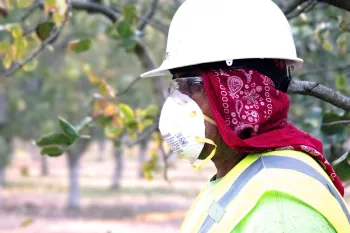
Whether servicing traps or collecting carcasses, always wear appropriate personal protective equipment (PPE). Roof rats and other rodents can carry a variety of diseases which can be transmitted to humans through direct contact, inhalation, or contaminated surfaces.
- Respiratory Protection: Wear an N95 respirator or similar mask to avoid inhaling dust, dried urine particles, or other contaminants that may carry diseases.
- Protective Clothing: Wear long-sleeved clothing or coveralls to minimize skin exposure. Ensure clothing is washed thoroughly after use or opt for disposable coveralls.
- Boots: Sturdy, closed-toe footwear protects against accidental injuries when navigating orchard terrain.
- Gloves: Remove dead rats carefully from traps using gloved hands. Use disposable nitrile or latex gloves to prevent direct contact with the rat’s body, blood, or parasites. Never handle dead rats with bare hands.
- Bag and Seal: Place the carcass in a sealable plastic bag, and then double-bag it to prevent leaks or contamination.
- Dispose Responsibly: Follow local regulations for disposing of animal remains. Many areas allow disposal in secured trash containers; however, always verify requirements.
- Wash Hands: After removing PPE, wash hands thoroughly with soap and water for at least 20 seconds.
EXTERNAL IMAGE
The Bottom Line
Roof rats can cause significant crop and infrastructure damage, but early detection and a coordinated IPM approach can help keep populations under control. By combining monitoring, baiting, trapping, and ongoing surveillance, growers can reduce damage and protect orchard productivity over the long term. Research continues to show that no single tool is sufficient on its own—successful management depends on using multiple strategies together and responding quickly when rat activity is detected.
Determine potential restrictions for use of pesticides in your area: California Department of Pesticide Regulation’s PRESCRIBE database
Learn more about vertebrate pest management: California Department of Food and Agriculture Vertebrate Pest Control Research Program
This piece was adapted, with permission, from "Emergency Response to Rat Management in California's Nut and Fruit Orchards" by Niamh Quinn and Roger Baldwin, originally published in the March 2025 issue of CAPCA Adviser.