
Last weekend, I was working in my garden when something moved beneath a nearby shrub. Out came a California Kingsnake. You don't hear them coming, but with their striking bands of black and white wrapped around their bodies, they're hard to miss. I stopped for a moment, admired it, and smiled.
Why? Because I knew I had a natural gardening partner.
For weeks, voles had been tunneling through that section of my garden, nibbling roots and leaving little highways beneath the mulch. My dog, a terrier, whose job description should include rodent control, had been completely uninterested in the assignment. The Kingsnake, however, was exactly the partner I was looking for.
Kingsnakes feed on rodents such as mice, rats and voles. They're also famous for eating other snakes, including Rattlesnakes. Best of all, they don't charge an hourly rate.
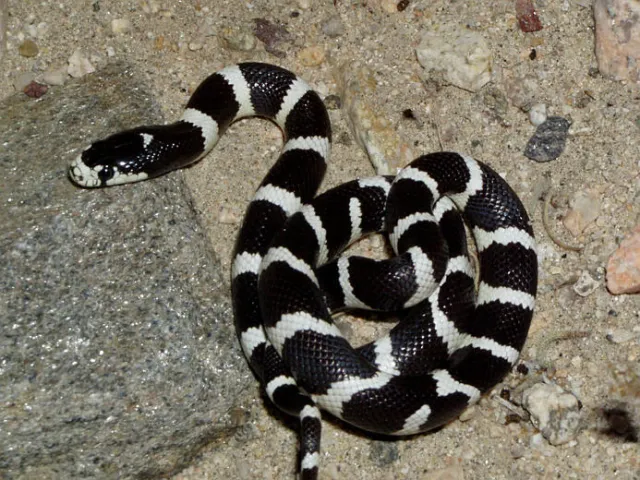
An Important Part of a Healthy Garden
Snakes are one of nature's most effective forms of pest control. They play an important role in maintaining a healthy ecosystem by keeping rodent populations in check. Unlike rodents, snakes don't eat your vegetables, dig holes in your flower beds, or destroy irrigation lines. They're after the animals that do.
Depending on the species, snakes help control insects, mice, rats, voles, gophers, ground squirrels, and chipmunks. Every rodent they eat is one less pest damaging our gardens. The truth is that snakes have a reputation they don't deserve. Most snakes found in Solano County are harmless to people and pets. They are naturally shy and prefer to avoid us whenever possible. They don't chase people. They don't bite without reason. If they do, it's almost always because they were cornered, stepped on, or someone tried to handle them. The best thing you can do when you see a snake is...nothing. Simply stop, give it plenty of space, and let it continue on its way. Chances are it will disappear long before you do.
Know Your Snakes
The snakes most commonly seen in Solano County gardens include:
Non-venomous
- Garter Snake (Thamnophis elegans)
- California Racer (Coluber constrictor)
- California Kingsnake (Lampropeltis californiae)
- Gopher Snake (Pituophis catenifer)
Venomous
- Northern Pacific Rattlesnake (Crotalus oreganus) — California's only native venomous snake.
One of the saddest cases of mistaken identity involves the gopher snake. Every year, many are killed because they're confused with rattlesnakes, even though they are completely harmless and among the best rodent hunters in our gardens.
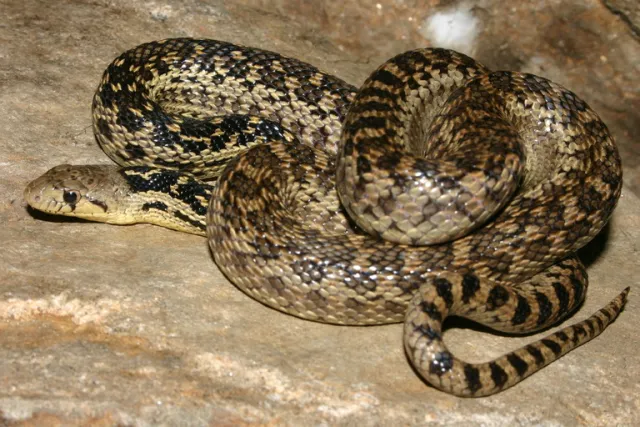
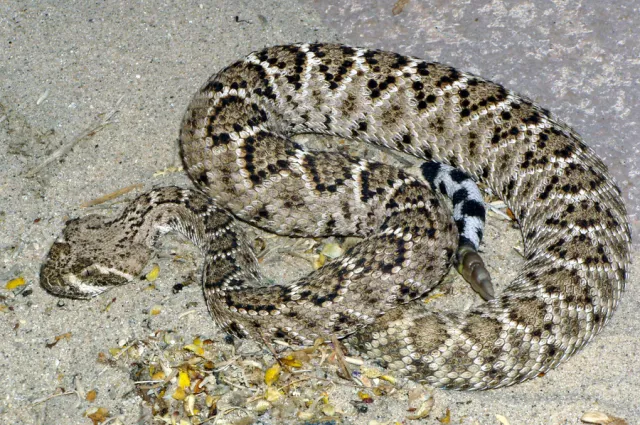
Although their patterns can look similar, there are a few key differences.
A Gopher Snake has:
- A narrow head
- A slender body
- A long, tapered tail without a rattle
- Round pupils
A Rattlesnake has:
- A broad, triangular head
- A thick body
- A blunt tail with a rattle
- Vertical, cat-like pupils
Remember, you should never get close enough to identify a snake by its pupils. If you're unsure, simply keep your distance and treat it as though it could be venomous.
What Should You Do If You See One?
- Stay calm.
- Back away slowly and give the snake at least 10 feet of space.
- Never try to catch, move, or kill it. Many snake bites occur when people attempt to interact with snakes.
- If a Rattlesnake is inside your home or poses an immediate safety concern, contact a professional.
Helpful contacts:
- Solano Animal Control: (707) 449-1700
- Fairfield Police (after hours): (707) 428-7300
- Yolo Animal Services: (530) 668-5287
- JnW Reptile Rescue: (707) 557-5213
- SnakeOut Snake Removal: (925) 366-0607
Making Your Garden Less Attractive to Snakes
Since snakes follow their food, reducing rodent habitat is the best way to reduce snake visits.
- Keep grass mowed.
- Remove brush and garden debris.
- Store firewood neatly and off the ground.
- Trim shrubs so they don't touch the ground.
- Seal openings under sheds and around buildings where rodents can hide.
A Different Way to Look at Snakes
When I first spotted that Kingsnake, I could have reacted with fear. Instead, I saw one of nature's best pest-control specialists quietly doing its job. As gardeners, we spend a lot of time trying to create healthy ecosystems. Snakes are already part of that system. They ask for very little and give us a lot in return. The next time you see one in your garden, take a deep breath, give it the space it deserves, and appreciate one of your hardest-working garden helpers.