
Plant Suggestions
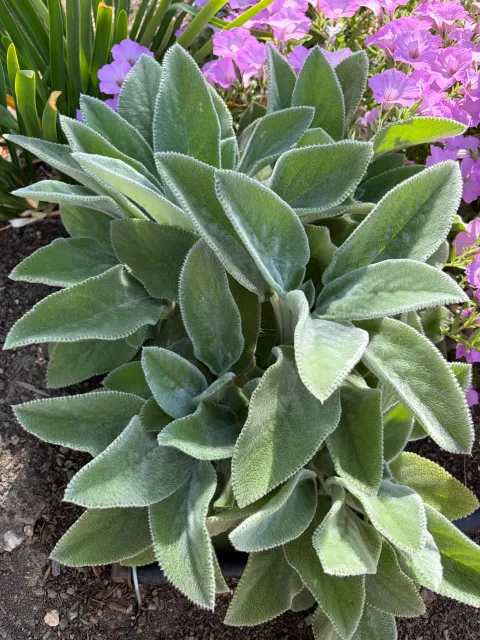
Many years ago, I read a wonderful book by Sydney Eddison, Gardening for a Lifetime: How to Garden Wiser as You Grow Older. Her main points were summed up on the book’s cover: “Use lower-maintenance plants, Prioritize garden tasks, Practice realistic lawn care, Accept imperfections, Learn labor-saving techniques, Make the most of containers”. She was downsizing her beautiful, very large garden. Some of her plant suggestions were Sedum ‘Autumn Joy,’ Nepeta xfaassenii ‘Blue Wonder’ catmint, Siberian irises, Liriope muscari lily turf, Stachys byzantina ‘Silver Carpet’ lamb’s ears and ornamental grasses. She picked perennials that lasted longer than 2 seasons, that looked good year-round in her landscape and that voles did not decimate. She picked compact shrub varieties and did her own investigation of others’ “dwarf” trees and their real size after five, ten, fifteen years before considering adding them to her own garden. They were sometimes considerably larger years later than when advertised initially. She learned to accept imperfection, that fallen leaves are mulch for the next generation and that insecticides kill both the bad and the good bugs and whatever eats them.
In Gardening for the Disabled: Here’s How I Do It, author Di-Anne Seebregts, who is wheelchair-bound herself considers these as low maintenance with maximum accessibility: cherry tomatoes (vertical gardening), lettuce and leafy greens (harvest the outer leaves and let regrow), basil, chives, zucchini (vertical gardening), strawberries in vertical planters or hanging baskets at waist level, marigolds, peppers and succulents. She grows in raised beds or containers with plant dollies to move them easily.
I will put in my vote for low-maintenance natives and drought-tolerant plants. One of my favorite gardens is UC Davis Arboretum. I walk with my husband and dogs at least weekly and never get tired of the beauty. Take a walk with your phone camera and get lots of ideas. Gardening is adaptable and accessible to just about anyone. It is not the way we experienced it at age twenty, but we can still enjoy the creativity, nature, and the sunshine if we adapt.