

As summer winds down there will likely be some periods of heat in September before cooler weather sets in. Keep a close eye on your garden’s water needs, particularly during heat waves. Make sure your plants, especially shrubs, stay hydrated to reduce stress.
Plant fall crops
As your summer crops finish, it’s time to get your fall and winter garden going. Remove summer vegetable plants that are no longer producing. Cut the plants just below the soil line, leaving their roots to decompose in place. Completely remove plants that show signs of disease and discard them in your green waste bin. If plants show no sign of disease, you can add them to your home compost pile.
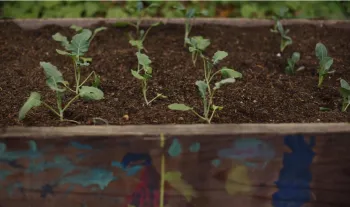
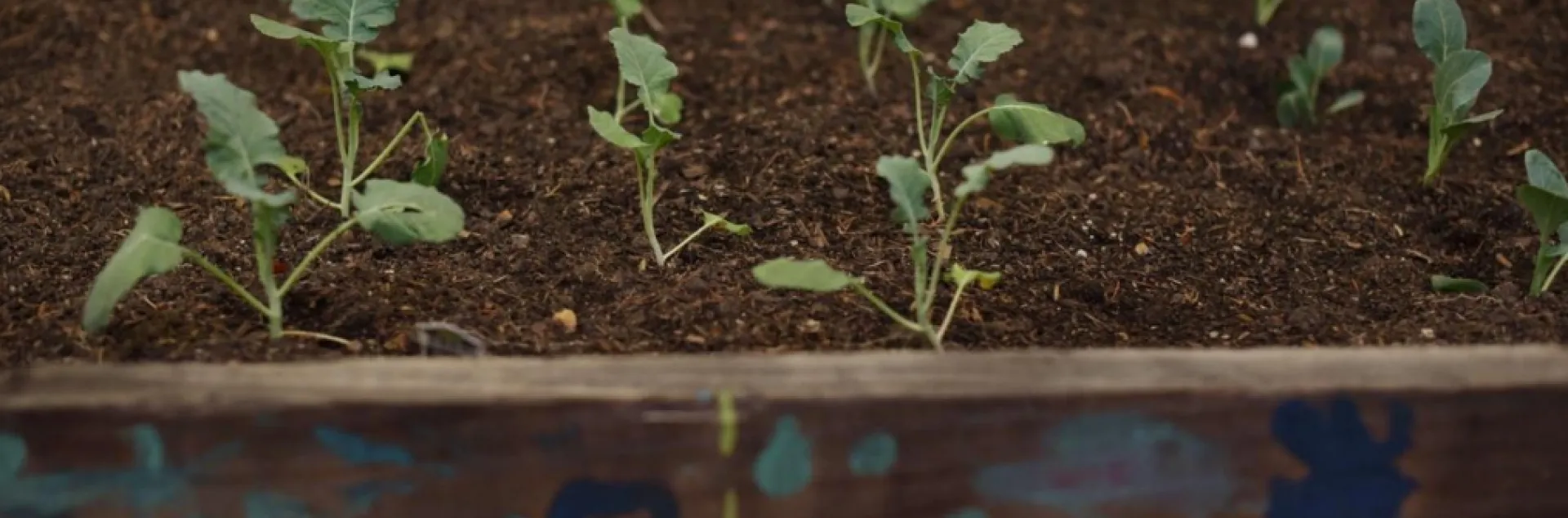
Plant cool-season crops like broccoli, kale, peas, carrots, lettuce and spinach. If September is hot, set out fall/winter vegetable transplants later in the afternoon and use a row cover for a week or two to protect tender seedlings from hot sun. If possible, try to time transplanting veggie starts to coincide with the start of a cooler weather cycle, then watch to make sure they have adequate water when the temperatures go up.
Before planting fall/winter crops, energize your garden soil by adding 1 to 2 inches of high-quality compost to provide nutrients for your plants and to add organic matter to your soil.
Care for shrubs
As the temperatures start to drop, many shrubs begin to wind down. Keep them watered to help them cope with the lingering summer heat. California natives might need less water as many are dormant late summer through fall.
Shop for spring bulbs
September is prime time to pick up bulbs for a colorful spring. Daffodils, crocus, freesia, anemones, Dutch iris, and ranunculus are all widely available now, so grab them while you can. Plant them this fall, and your garden will be bursting with color come spring.
Consider adding California native bulbs such as California brodiaea (Brodiaea californica), California fawn lily (Erythronium californicum) or ne-leaf onion (Allium unifolium) to your garden. It is generally best to wait until after the first rains to plant them, but you can buy them now while there is a good selection. Store them in a cool, dry place until you’re ready to plant.
Plan for new perennials
With winter rains on the horizon, now is a great time to plan for new trees, shrubs, perennials, and ornamental grasses in your garden. Planting later in the fall is ideal, so start making decisions and mapping out new additions or changes now. Native plants are especially suited for fall planting giving them plenty of time to establish strong roots before spring.
September is a good time to plan for including California natives in your landscape after rains begin. Look through the Sonoma County Master Gardeners’ page on California natives and pick the appropriate plants for you. Native plant sales offer numerous species such as Arctostaphylos, Ceanothus, and Rhamnus for structure; and Ribes sanguineum, native Salvia, Epilobium, Penstemon and Eriogonum for color and to attract pollinators and other beneficial insects. Keep in mind a key principle of sustainable gardening – “right plant, right place.” Check that the location can accommodate both plant size at maturity and plant sun exposure requirements.
Tidy your garden
Clean up fallen fruit after harvest. Dispose of diseased material. Clean your gutters and all areas where leaves, needles and debris accumulate, especially the 5-foot perimeter around your house. We are in fire season. Learn more about fire-wise landscaping at UC Master Gardener Wildfire Preparedness in the Home Landscape and Resilient Landscapes Coalition.
Contributors to this week’s column were Diane Judd and Debbie Westrick.