

Home › Research › Research We Conduct
Research We Conduct
Applied research for California’s water challenges.
CIWR uses systems approaches and interdisciplinary partnerships to address water management challenges. We collaborate with researchers across California universities and UC Cooperative Extension to connect research with real-world decisions, policies, and practices.
Research Areas
CIWR research spans water management, policy, systems analysis, agriculture, cities, disasters, landscapes, and research communication.
Water Policy and Planning · Water Resource Systems Analysis · Urban Water Management · Agricultural Water Management · Disaster Management · Landscape Management · Research Communication
Current Research
Current CIWR projects address sanitation, water-use efficiency, agricultural nutrient management, basin planning, and water-system finance.
California Wastewater Needs Assessment (WWNA)
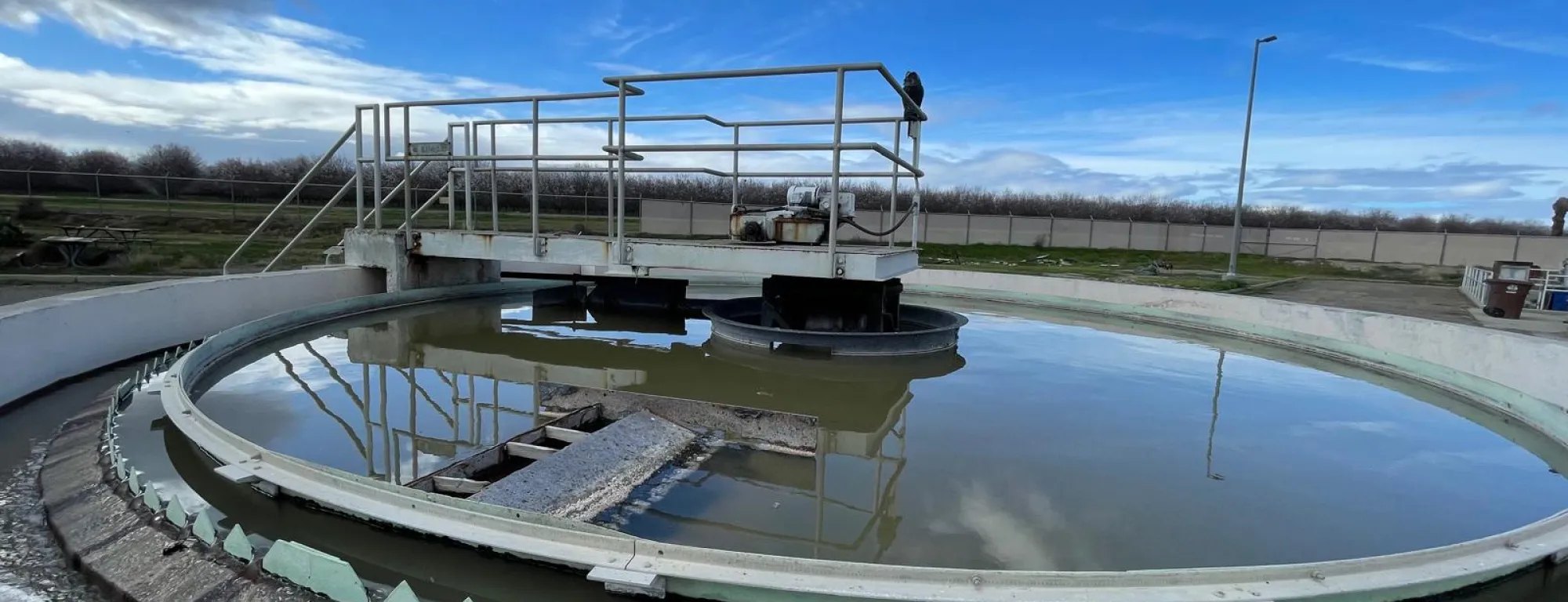
CIWR is part of a collaborative team developing California’s first statewide assessment of water-related sanitation needs, with a focus on disadvantaged and vulnerable communities.
CIWR led the Baseline Assessment of Community Sanitation Needs, which included survey responses from more than 100 stakeholders to identify recurring sanitation challenges and areas of concern across the state.
Building on that work, CIWR is conducting a statewide field campaign to document conditions on the ground and better understand challenges related to wastewater infrastructure, septic systems, affordability, local capacity, and environmental hazards. Findings will help inform future funding, technical assistance, and infrastructure planning.
Project Lead: Greg Pierce, UCLA Luskin Center for Innovation
CIWR Project Team: Erika Cassio Madrazo, Sam Sandoval Solis (ANR PI), Erik Porse, and Riley Currey
Project Support: California State Water Resources Control Board
Urban Water Use Efficiency and Conservation
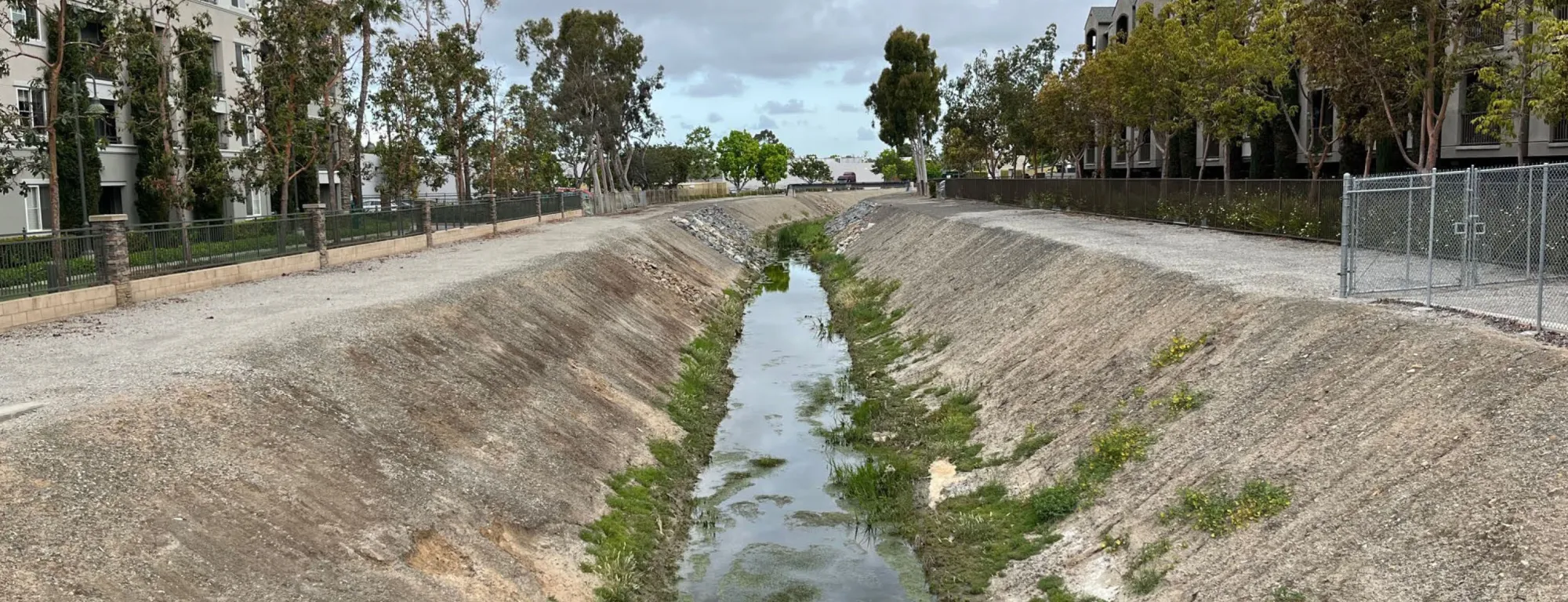
CIWR conducts research and extension to improve urban water-use efficiency and conservation in California, developing models and analytical methods to evaluate water demand, conservation strategies, and their impacts on water supply, wastewater systems, and affordability.
This work has supported statewide evaluations related to California’s “Making Conservation a Way of Life” framework, including the indoor residential water-use standards established through AB 1668, SB 606, and SB 1157. Current research with the California Department of Water Resources evaluates the benefits and impacts of the 2030 indoor water-use standard, including future demand trends, wastewater and recycled-water impacts, and affordability.
Related CIWR research has examined water conservation rebates, the effects of lower flows on wastewater management, and methods for urban water-demand forecasting.
CIWR Team: Erik Porse, Rachel Shellabarger, Hope Hauptman, and Camilo Salcedo
Collaborators: UCLA Luskin Center for Innovation, UCLA Department of Civil and Environmental Engineering, UC Merced, Office of Water Programs at Sacramento State, and UC Riverside
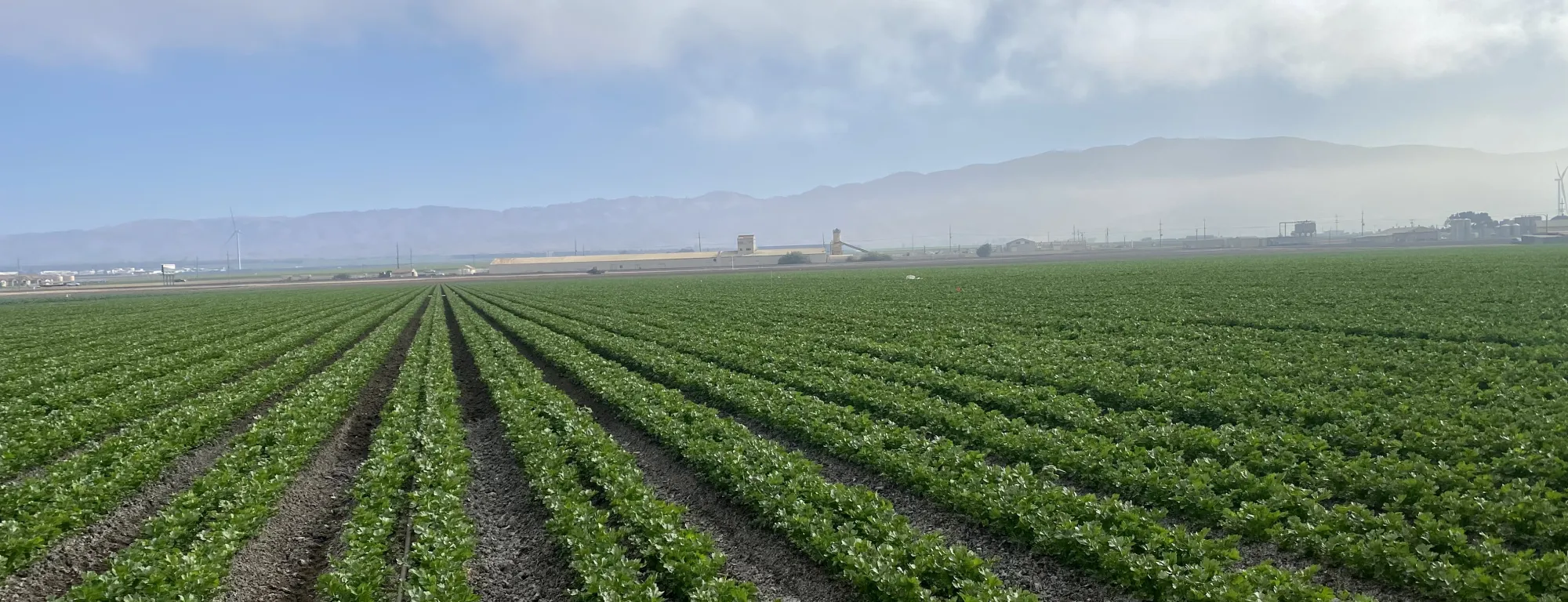
Adoption Patterns and Impacts of Nitrogen Use Efficiency Practices
As part of the Nitrogen and Irrigation Initiative and in collaboration with UC Riverside, we are analyzing data on nitrogen use applications and adopted best management practices from the Irrigated Lands Regulatory Program (ILRP).
Results of work from the Kings River Water Quality Coalition area indicate that many growers have adopted multiple nitrogen use practices, with 26% of fields utilizing six practices and 24% using five. Such bundling may provide growers with more flexibility in managing nitrogen applications. Further research is needed to evaluate the effect of various nitrogen management practices on fertilizer use and water quality effects.
Project Team: Erik Porse, Rachel Shellabarger, Divya Prakash, Mehdi Nemati, and Ariel Dinar
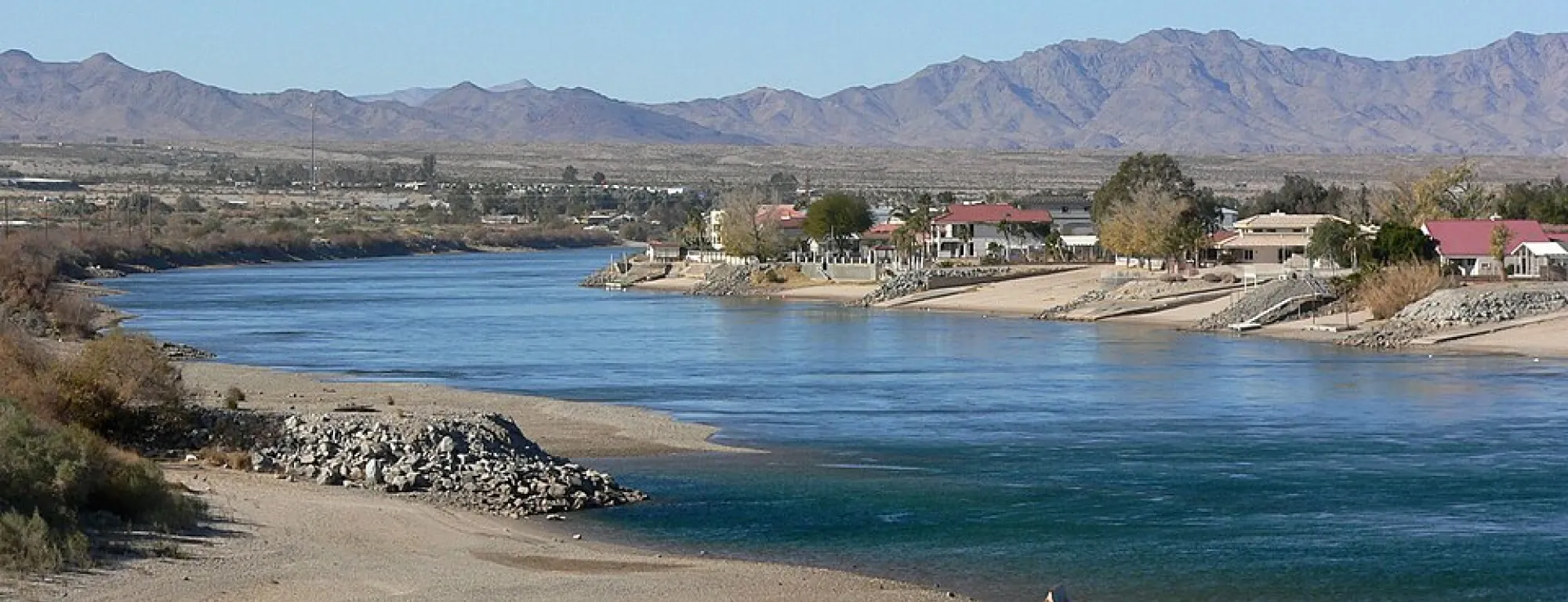
Immersive Modeling for the Colorado River Basin
Colorado River management in the 21st century faces severe challenges. Through a project led by Utah State University ( PI David Rosenberg ), CIWR conducts immersive and participatory modeling sessions for Colorado River scenario planning.
Through these sessions, small groups of managers and water users use online models to make decisions for Colorado River management and examine the effects of assumptions for inflows, diversions, and conservation.
The project is funded by the Cooperative Institute for Research to Operations in Hydrology, University of Alabama (2025–2027) and has published studies on immersive modeling, the value of water accounts for Colorado River users , and the need to model more extreme inflow scenarios for future planning .
Project Lead: David Rosenberg, Utah State University
CIWR Team: Erik Porse and Michael Jaquez
Project Support: Cooperative Institute for Research to Operations in Hydrology, University of Alabama
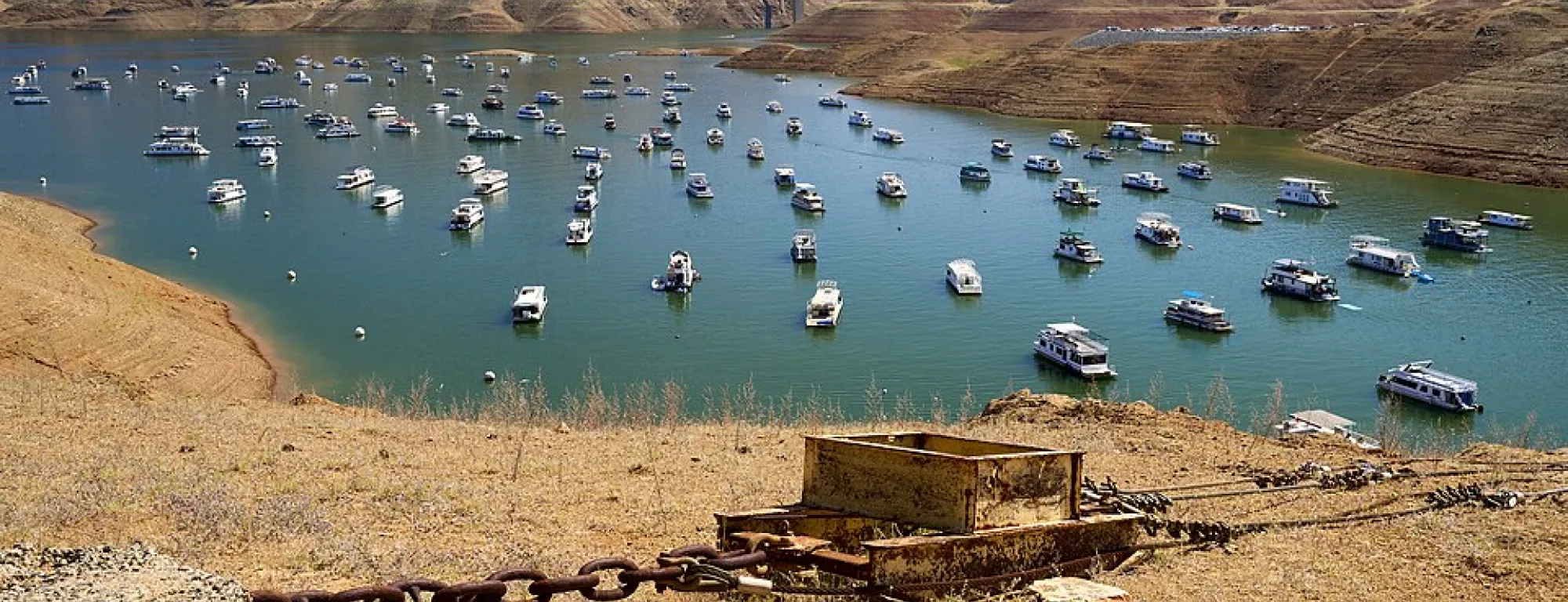
Drought and Water System Finances
Water agencies need to develop adequate funding sources to meet the needs of customers. Even though drought is known to affect water system operations, few studies have evaluated the effects of drought on water utility finances.
Using data from multiple sources, we evaluated the effects of drought on water utility finances for over 200 urban water agencies in California. Statistical modeling indicates that drought has a statistically significant but small impact on metrics of financial performance.
Long-term trends in water bills and affordability overshadow the effects of drought. While many California water agencies have adopted retail rate structures coupled with supply and demand management strategies to manage drought, long-term costs of these actions are increasingly felt by ratepayers.
Project Team: Erik Porse, Hope Hauptman, and Riley Currey
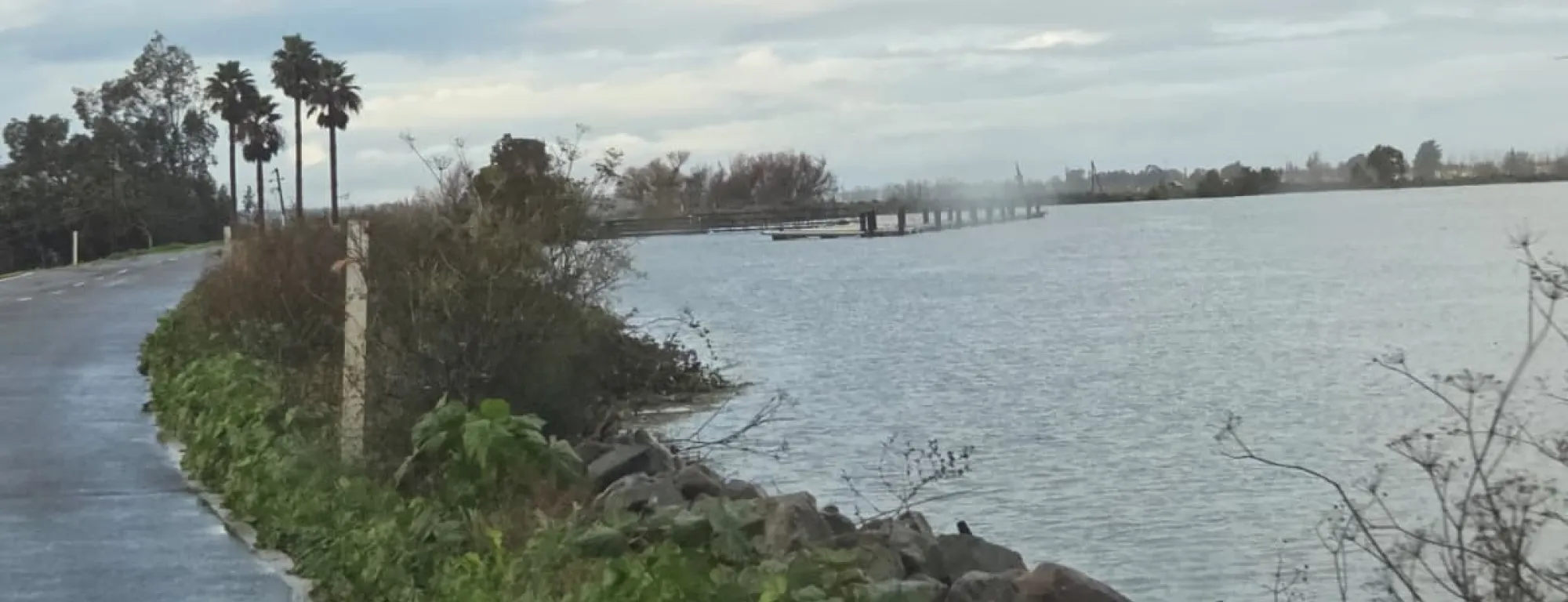
Systems Analysis for Regional Water Supply Resilience
CIWR has expertise in studies for urban and regional water resource systems analysis, including supply and demand planning, finance, and engagement and outreach. As part of the COEQWAL project, CIWR is leading an analysis of water system reliability in South-of-Delta water systems that rely on the State Water Project.
Results from the analysis will help understand water supply vulnerability given future water shortages for both the State Water Project and the Colorado River Aqueduct.
Project Team: Erik Porse and Hope Hauptman
COEQWAL Project Leads: Ted Grantham, Wietske Medema, and Kristin Dobbin
Selected Research Tools and Completed Studies
CIWR research has also produced models, datasets, reports, and policy agendas that continue to support water planning and decision-making.
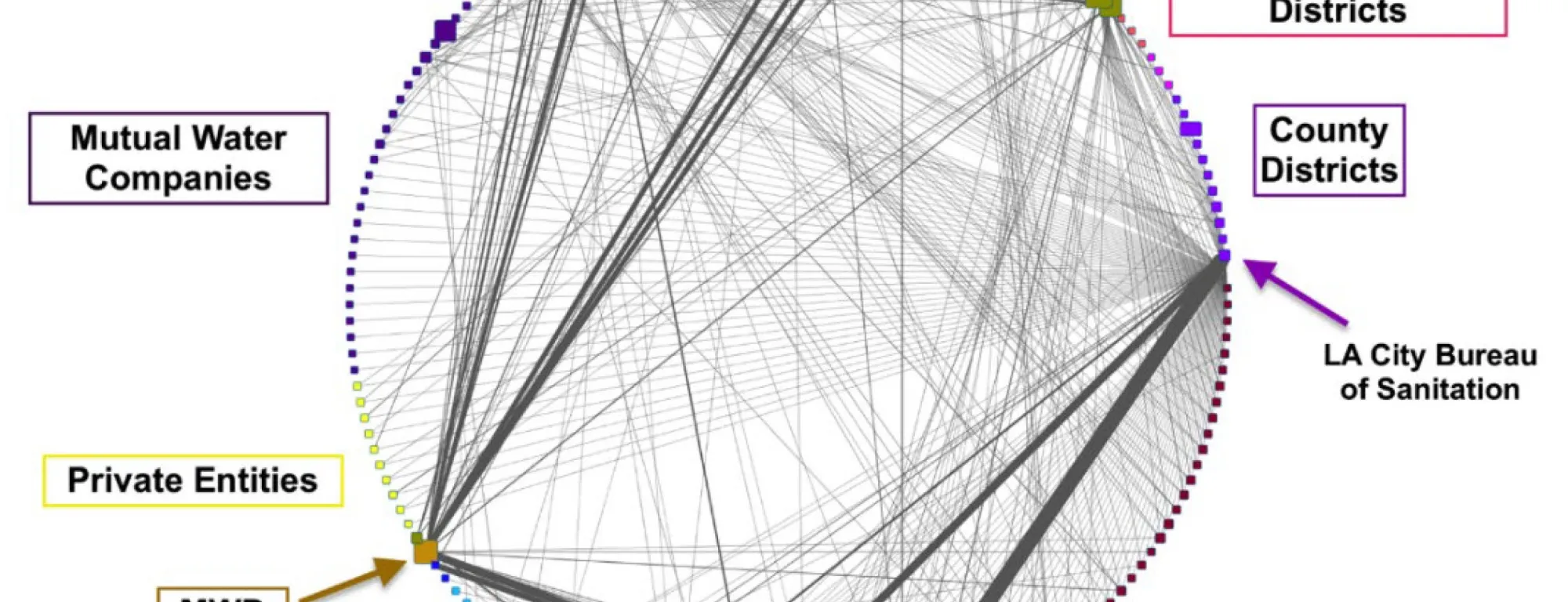
Artes: Urban Water Systems Analysis in Los Angeles
In California's Mediterranean climate, cities must develop infrastructure and programs to manage seasonal and annual changes in precipitation. While many urban areas in California built large infrastructure systems to import distant sources of water, cities also rely on local sources such as groundwater, stormwater capture, and water reuse.
The model simulates flows through all of these systems across hundreds of agencies to evaluate when and how changes in expectations for imported water availability affect supply and operations throughout Los Angeles County.
Artes was developed at UCLA's California Center for Sustainable Communities as part of projects to understand future water management in Southern California. The model has been used in 11 peer-reviewed studies .
The data and code associated with Artes are publicly available. From 2016–2022, data and code were published on GitHub . Starting in 2022, the model is available through HydroShare .
A StoryMap published by UCLA's California Center for Sustainable Communities provides context on current water management in Los Angeles County and opportunities for transitioning to future regimes less reliant on imported water.
Porse, E. (2022). Artes: Modeling Water Resources Management in Los Angeles, HydroShare. https://doi.org/10.4211/hs.c2a8bb7e07b3409995c90a86120b2a9f
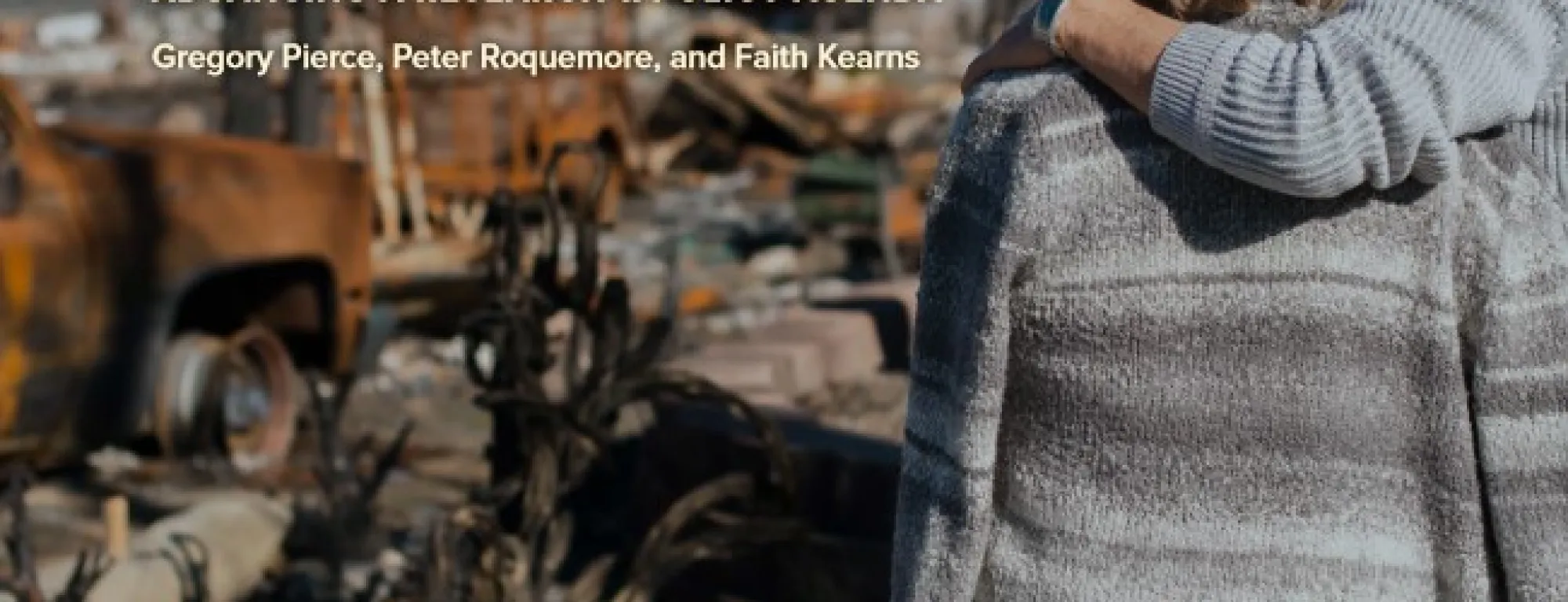
Wildfire and Water Supply in California
In collaboration with UCLA's Luskin Center for Innovation , CIWR developed a research and policy agenda to support water quality improvements through better wildfire management.
To address the recent emergence of wildfire-caused drinking water contamination, the research asked a group of interdisciplinary and cross-sector participants to provide input and review on a research and policy agenda for how California can more proactively address the ways wildfire is increasingly putting water supply systems at risk.
Workshop sessions focused on research and policy issues at the intersection of wildfire events and water supply provision. The report summarizes findings from the outreach and sessions.
Project Team: CIWR and UCLA Luskin Center for Innovation
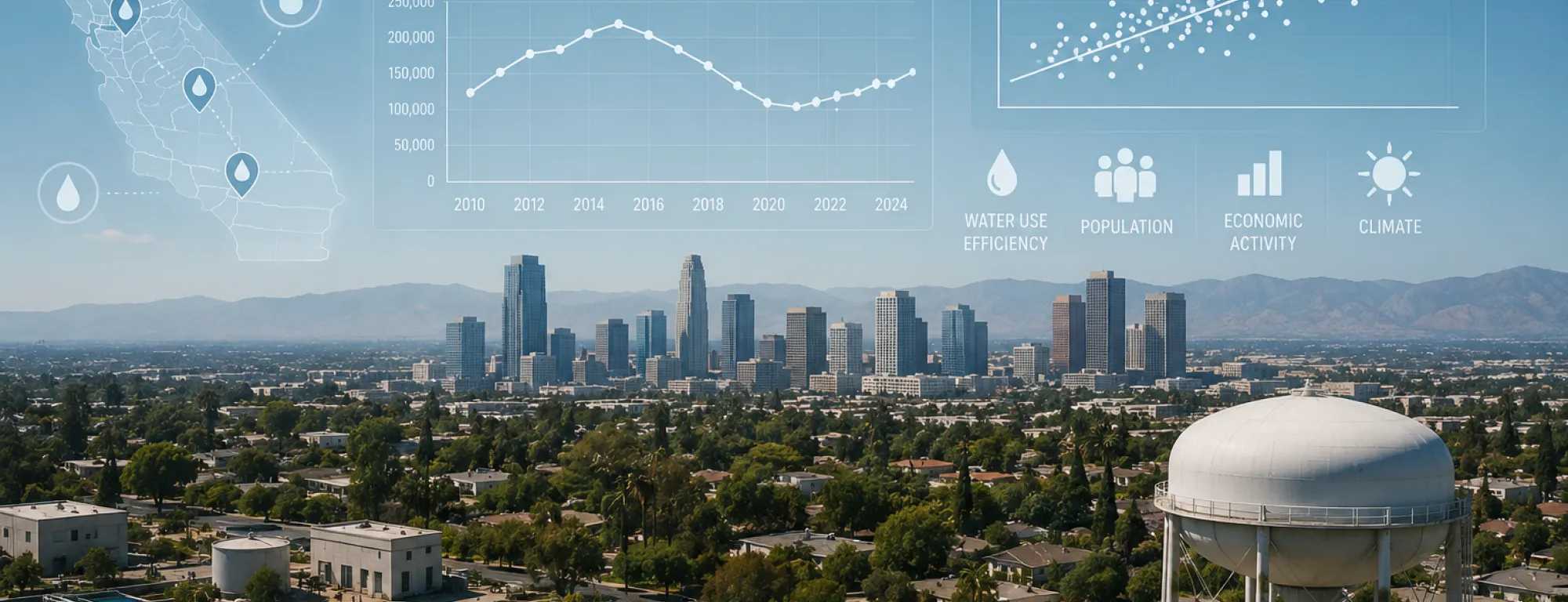
Regression Modeling for Urban Water Demand
Resilience planning for water management in California requires advanced analysis and data integration. Water demand forecasting can help water planners understand future water needs and develop plans for infrastructure investments, capital improvements, and demand management programs.
We used statistical modeling to understand drivers of demand for over 400 urban water supply agencies in California. The modeling used standardized data from self-reported sources for agencies across the state.
The demand models served as the basis of the first detailed study in the literature of the effects of the COVID-19 pandemic on urban water demand in 2020.
Porse, E. (2021). Urban Water Demand Regression Modeling for California Water Suppliers, HydroShare.
Connect with CIWR
Questions about CIWR research, project findings, data, or collaboration opportunities? Contact our team or explore additional CIWR research programs.