

Welcome to July, one of the busiest months in the garden. As temperatures rise and plants flourish, regular care is essential to keep them healthy and productive. With timely watering, harvesting and maintenance, you can help your garden thrive through the summer heat and enjoy a bountiful harvest. Here are some tips to make the most of your garden in July.
Water wisely
Inspect your irrigation system:
- Make sure all irrigation equipment is working properly and check that drip lines haven’t been disturbed by pets or wildlife.
- Watch newly planted trees, shrubs and perennials closely. Plants installed in the last year have smaller root systems and are especially vulnerable during hot, dry weather. Check soil moisture regularly to prevent dehydration.
Water early in the morning:
- Watering during cooler temperatures reduces evaporation and helps plants absorb more moisture. It also allows foliage to dry before intense sun exposure, which can reduce stress, pests and disease problems.
- Help new plantings establish. Trees, shrubs and perennials planted this spring or summer usually need extra irrigation while they establish. During this period, both foliage and root growth may be stressed, so don’t let the root ball dry out. Water evenly and deeply.
Summer care for flowering beds and containers
Encourage repeat blooms:
- Cut back flowering perennials such as nepeta, diascia and penstemon to stimulate fresh growth and extend blooming. Deadhead annuals and perennials such as heuchera and petunias to prevent seed set, which can slow flower production.
Add color with annuals:
- Continue planting annuals in beds and containers for summer color, but avoid major summer planting of perennials, shrubs and trees.
Fruit Trees
In July or August, apply a half dose of nitrogen only if mature trees have shown weak shoot growth or poor fruit set. Don’t fertilize stressed trees, especially if water is limited, because fertilizer increases growth and water demand. If a tree is bearing fruit, this is a critical time to keep it well watered. Add 3 to 4 inches of mulch to help retain soil moisture. Make sure to keep mulch about 12 inches away from the trunk.
Apricot and cherry trees should be pruned in summer to avoid a fungal disease called eutypa dieback. Prune upright growth to manage size and encourage the tree to put nutrients into fruiting branches.
Tomato Tips
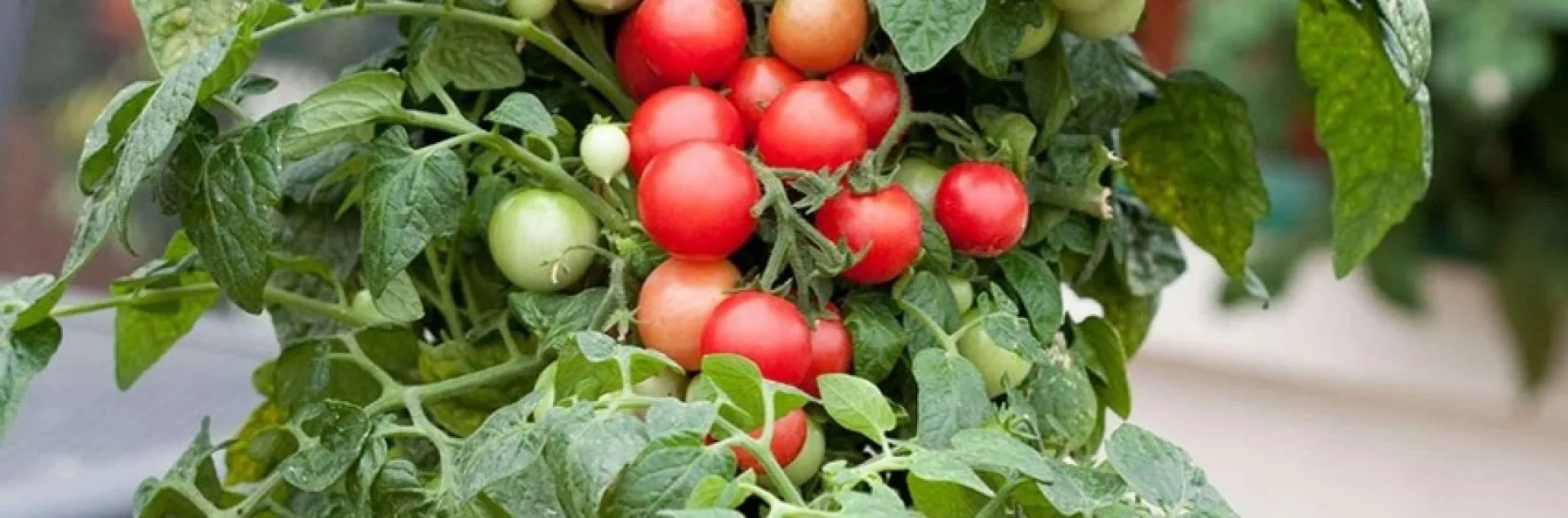
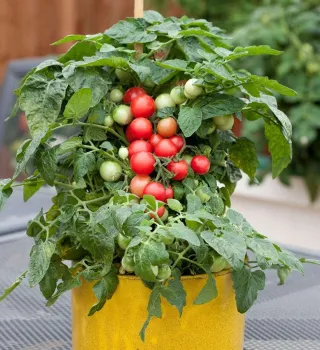
Now that your tomatoes are planted and getting six to eight hours of full sun each day, focus on a few key practices to encourage a strong harvest.
Support and pruning:
- Use stakes or cages to lift vines, improve airflow, reduce sprawl and keep fruit clean.
- Prune as needed to control vines and encourage larger fruit.
Mulch and watering:
- Mulch around each plant, keeping it 3 to 4 inches from the stem. A 2- to 3-inch layer of compost or rice straw helps retain moisture and suppress weeds.
- Water about 1 inch weekly during the growing season; containers may need more.
- Avoid overhead watering. Drip irrigation is best and helps prevent fungal disease.
- Keep new plants evenly moist, not soggy, for the first 3 to 4 weeks.
- After fruit forms, water slightly less to limit leafy growth. Water established plants when the top 2 to 3 inches of soil are dry. Consistent moisture helps prevent cracking and blossom end rot.
Fertilizing and pest management:
- Do not fertilize too early. High-nitrogen fertilizer can delay fruiting, increase leafy growth and attract aphids and whiteflies.
- Once fruit develops, feed monthly with fish emulsion, kelp or another natural fertilizer.
- Check plants often and hand-pick worms and other insects.
Ripening and harvest:
- Tomatoes set fruit when nighttime temperatures stay above 55 degrees. The red pigment lycopene develops best between 50 and 85 degrees.
- Harvest when tomatoes give slightly under gentle pressure and come off easily. Use overly soft ones for sauce.
- In extremely hot weather, pick tomatoes before fully ripe and let them finish ripening out of direct sunlight. Warmth, not light, ripens them.
- Store tomatoes in a cool place near 60 degrees. Avoid refrigeration, which can reduce flavor and make them mealy.
Garden spiders
Almost all spiders in your garden are beneficial predators that feed on insects and other pests. Most are harmless to people so it’s best not to kill them. By reducing insect populations, spiders help protect the health of your garden. Many of the large and intricate webs you see were likely made by an orb spider. These webs do more than catch and immobilize flying insects — they also act as a sensing system, allowing the spider to detect vibrations along the strands.
Spiders that are commonly seen out in the open during the day are unlikely to bite people. Spiders that hide, such as black widows, are the ones that may cause injury. Even so, they usually remain outdoors in places like wood piles or cluttered garages.
To identify a spider, take a photo and research it later. For more information and photos of common garden spiders in Sonoma County, see the UCANR Integrated Pest Management (IPM) website.
Contributors to this week’s column were Joy Lanzendorfer and Debbie Westrick