

Question: I enjoy your “Advice To Grow By” column every week and sometimes read the links in the suggested reading section. Can you recommend any books or other sources that I can add to my gardening library?
Answer: Great question! Many of our articles are researched directly from University of California resources. These books can be borrowed from your local public library or purchased through the University of California Agriculture and Natural Resources Division (UCANR). Here are a few books we recommend.
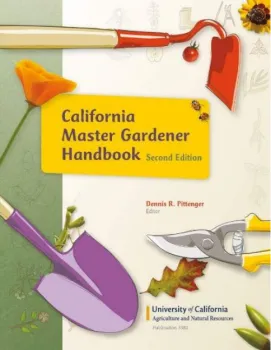
One of the primary books used for training Master Gardeners is the “California Master Gardener Handbook”. This comprehensive textbook is peer-reviewed and covers not only the fundamentals of home gardening, but also plant physiology, diseases and common pests. It addresses both lawn and houseplant care, along with many other topics. Before receiving the title of Master Gardener, candidates spend several months studying the text chapter by chapter and often keep a copy as a reference guide.
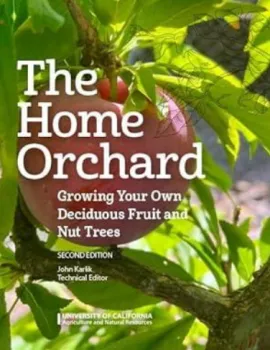
Our local climate is well suited for many types of fruit and nut trees. However, occasional problems and pests present challenges for the home gardener. “The Home Orchard, 2nd Edition” covers many topics from selecting fruit and nut trees to advanced grafting and training techniques. Fire blight, coddling moth and spider mites are common problems in the North Bay. Chapter 11 in the book provides detailed photographs of pest damage as well as strategies to prevent or address these pests and most other diseases you may encounter.
Decorative trees in your landscape can experience challenges with environmental factors. Despite the weighty title, “Abiotic Disorders of Landscape Plants A Diagnostic Guide” by Laurence Costello, is a helpful resource for maintaining healthy and attractive trees. It addresses many issues that can be caused by non-living (abiotic) factors such as wind, salinity, heat and water stress. This guide is a great starting point for diagnosing common disorders or identifying potential issues before they become larger problems.
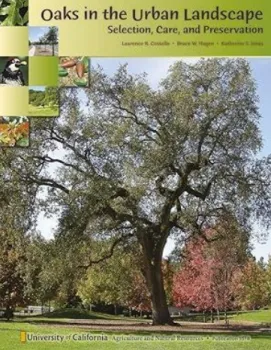
Majestic oak trees feature prominently across Sonoma County. “Oaks in the Urban Landscape” also by Laurence Costello, provides a comprehensive analysis of oak tree selection, care and preservation. As encroachment on natural spaces increases, understanding how to care for and manage native oaks in your landscape takes on special importance.
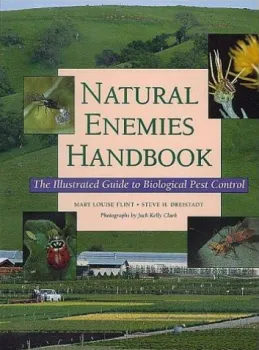
A last book to consider is the “Natural Enemies Handbook: The Illustrated Guide to Biological Pest Control” by Mary Louise Flint. This guide covers natural control methods for a comprehensive range of topics including insects, soil pathogens and weeds. It includes a quick guide with detailed photographs to help you identify these pests as well as suggestions to keep them under control. If you are keen on reducing or eliminating toxic pesticides in your personal space this book is an overall great reference for the organic home gardener.
Home gardeners wishing to add University of California Agriculture and Natural Resources titles to their book collection can order directly through the UC ANR website. Many other free, informative PDF files are available for download and print from this website as well. Note that all books and reference materials have a publication number. These are helpful when you reach out to the Master Gardeners or look for items in the UCANR catalog.
Contributors to this week’s column were Robert Williams, Karen Felker and Joy Lanzendorfer.