
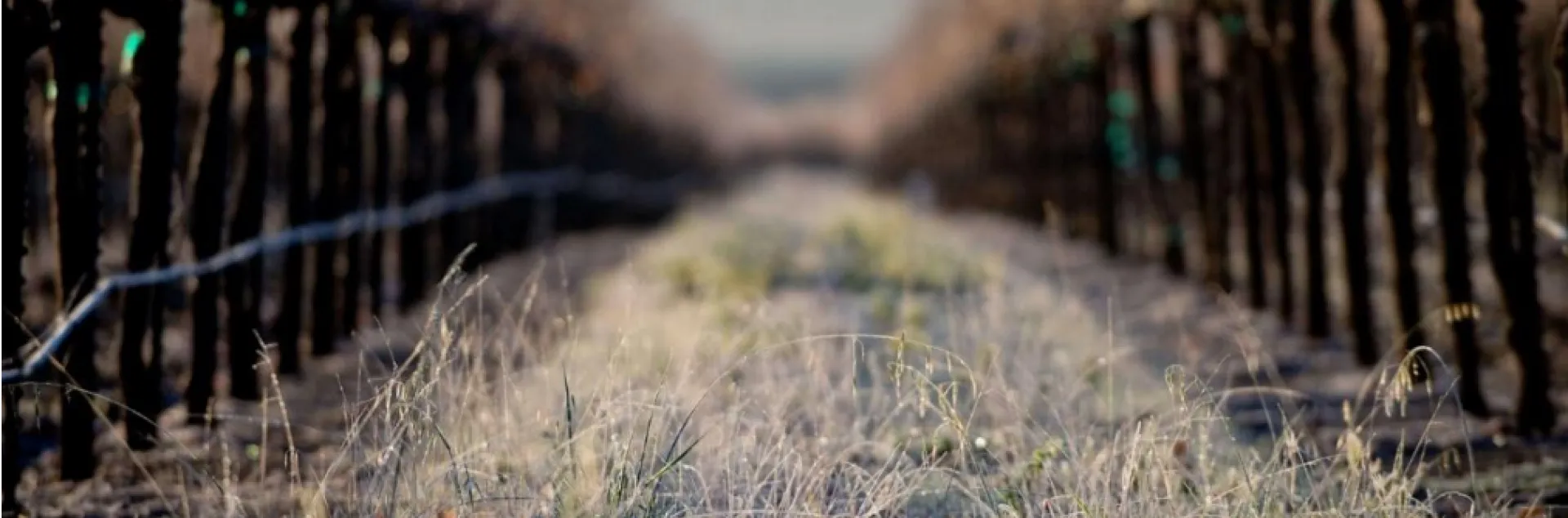

As daylight hours get shorter and summer temperatures become a memory, we may soon hear warnings of overnight frost and freezing temperatures. With all of the microclimates in Sonoma County, it’s difficult to predict the first frost date for your location. On average, the first frost date could be anywhere from Oct. 22, in Graton, to Dec. 7, in Cloverdale. Now is a good time to learn how to care for the frost-tender plants in your garden.
When you hear of a frost advisory, temperatures are expected to be between 33 degrees and 36 degrees, with clear skies and light winds. At those temperatures, frost can form high above the ground where the air is colder and then fall onto your garden, posing a threat to sensitive plants.
Frost injures plants by causing ice crystals to form inside plant cells, disrupting the flow of fluids and nutrients throughout the plant. Frost-damaged leaves appear water- soaked, shrivel and turn dark brown or black. The degree of plant injury depends on the length of the cold snap and the degree of temperature drop.
We classify plants as frost-tender if they are killed or injured by freezing temperatures. Plants are classified as hardy if they tolerate some short-term freezing. The taste of cold-hardy vegetables such as kale, parsnips, and garlic actually benefit from cold temperatures. Many fruit trees require ‘chill hours’ to produce fruit. But unless protected, most plants suffer when temperatures fall below 25 degrees.
A freeze warning indicates temperatures are expected to drop to 32 degrees or lower over a widespread area for several hours. A hard freeze occurs when the temperature is 28 degrees or lower.
Many conditions affect how cold temperatures affect plants. Cold air is heavier than warm air; it flows downhill and settles in depressions. That’s why it’s best to avoid planting frost-sensitive plants in the lowest areas of your garden. Windy conditions can prevent frost formation by mixing warmer air with cooler air near the ground, while frost is more likely on calm clear nights. Heat stored in the ocean moderates temperatures near the coast. You can protect your frost-tender plants that are in pots by putting them inside a cool shed or basement in the evening or moving them against a warm south or west facing wall. Plants in the ground fare better when surrounded by other plants. Because moist soil can hold up to four times more heat than dry soil it’s a good idea to water plants during the day when a frost is in the forecast. Apply a thick layer of mulch around the plants, an inch or two from the stalk, to insulate the plants’ root system and protect the soil.
Cover plants with row covers, blankets, sheets, or drop cloths, using stakes to hold up a tent shape that falls almost to the ground and leaves room for air circulation. Avoid using plastic since it doesn’t breathe. Remove the covers in the morning when the frost evaporates.
Wrap the spindly trunks of younger fruit trees, one to four years old, as well as sensitive citrus, olive and avocado trees, from the ground up to the main branches. You can use insulating material such as old ace bandages, towels, blankets, cardboard, or even pipe insulation. If you still have any strings of incandescent Christmas lights — not LEDs — wrap those through the branches of trees and shrubs. Set a timer to turn the lights on through the night.
If you find frost damaged plants in your yard, leave them alone until the last frost date in your area. Frost damaged leaves and branches actually help protect the new spring plant growth from further frost damage. The last frost date varies widely in Sonoma County, anywhere from March 30 to April 29, and recently even earlier. When weather warms and the danger of frost is over, cut away damaged leaves and branches, then wait at least a month for the plant to recover.
Read on for more information on steps to take when frost is forecast.
Contributors to this week’s column were Karen Felker and Robert Williams.