Gabriel Zilnik, a researcher at USDA's Agricultural Research Service, in Wapato, Wash. will be the UC Davis Department of Entomology and Nematology's next speaker. He'll deliver a virtual seminar on "Temperate Tree Fruit and Vegetable Research: Artificial Intelligence Machine Learning" at 4:10 p.m.
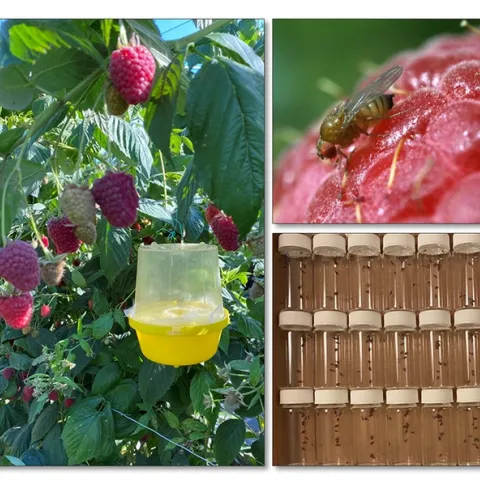
Postdoctoral scholar Fatemeh Ganjisaffar of the Frank Zalom lab, UC Davis Department of Entomology and Nematology, will present a virtual seminar on Wednesday, Nov. 10 on "Addressing an Evolving Invasive Species Crisis: Insecticide Resistance Management and Behavioral Control of Drosophila suzukii.
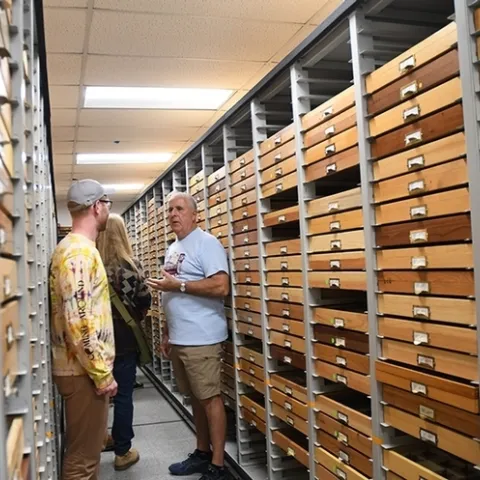
A neighborly project by entomologist Jeff Smith, the volunteer curator of the worldwide Lepidoptera collection at the Bohart Museum of Entomology, University of California Davis, has ended on a sweet note that will benefit the museum.
Our friend Lynn Sosnoskie (at Cornell University) shared the following announcement with us: A free (downloadable) resource Manage Weeds on Your Farm A Guide to Ecological Strategies Manage-Weeds-on-Your-Farm.pdf (sare.
Three UC Davis doctoral students won major awards in the highly competitive 10-minute student speech competitions at the Entomological Society of America's annual meeting, held Oct. 31-Nov. 3 in Denver.
UCR Fumigation School was successfully held on Oct 27-28, 2021 at Kellogg West Conference Center (Pomona, CA). We had over 70 participants for the event from pest management industry and other related fields serving in pest management. Here are some photos from the event.
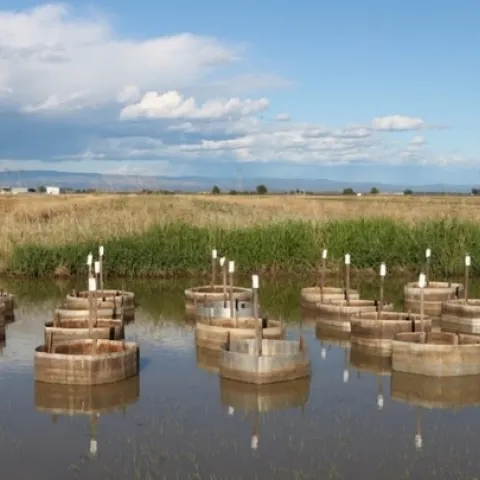
You may have never seen a tadpole shrimp, but you ought to be concerned about it, especially if you like rice. It's neither a tadpole nor a shrimp, but a crustacean pest that feasts on rice seedlings in flooded rice fields.
Tuesday, Nov. 2 will be a special day of celebration at the annual Entomological Society of America (ESA) meeting, being held in the Colorado Convention Center, Denver. Tuesday is when ESA will honor scores of award winners at its Founders' Memorial Lecture breakfast meeting. The theme of the Oct.
Rice growers currently rely heavily on pyrethroid insecticides to manage tadpole shrimp, a crustacean pest that targets young rice seedlings in flooded rice fields.
From the Journal of Aquatic Plant ManagementSpecial Issue Vol. 59s 2021 Patrick J. Moran, John D. Madsen, Paul D. Pratt, David L. Bubenheim, Edward Hard, Thomas Jabusch, and Raymond I.