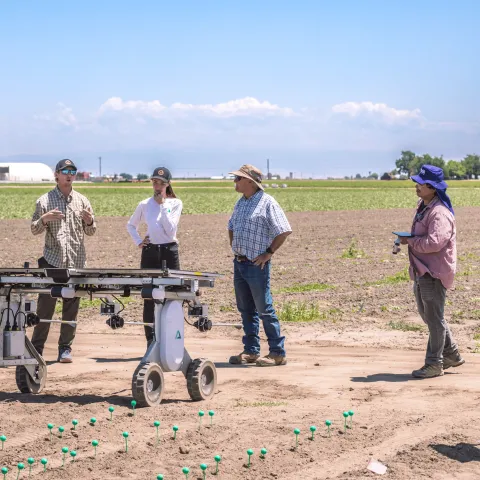
UC Merced hosts VINE Connect Field Day on Sept. 17, when seven ag tech startups will demonstrate solutions designed to meet pressing challenges facing California agriculture.
UC Cooperative Extension specialist Steve Fennimore has retired after 28 years with the UC Davis Department of Plant Sciences. But this milestone only marks the beginning of a new chapter for the weed scientist.
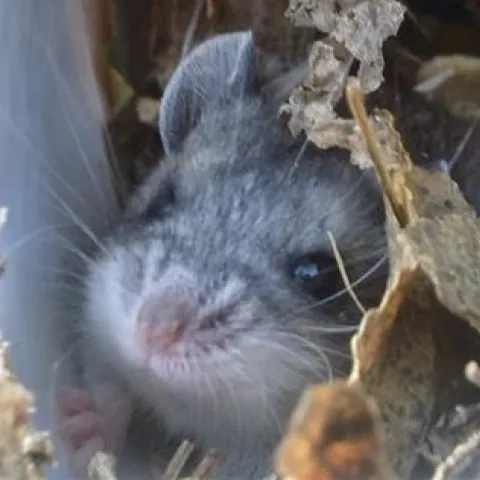
While they may look cute, no one really wants a mouse around the house. House mice eat up to 20% of their body weight daily, eating whatever food is available. They can contaminate our food and their gnawing can damage buildings, wiring, insulation, food packages, and more. Many fires of unknown origin are…
Invasive species are reshaping California’s natural and urban landscapes. UC IPM’s new Invasive Species Mini-Series explores the many ways invasive species impact our lives, from harmful garden pests and aquatic hitchhikers to destructive tree pests, invasive weeds, and the policies that guide prevention and…
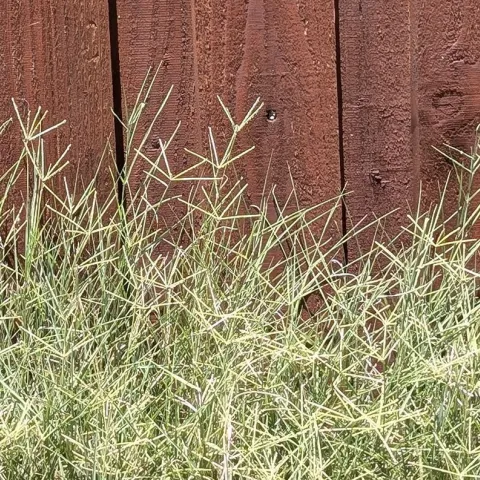
There are many weedy grasses that can invade a lawn or landscaped area, but bermudagrass is one of the most hated and difficult to control weeds. It’s a low-growing, wiry perennial that has above and belowground structures which are both capable of rooting and growing into new plants. The secret…
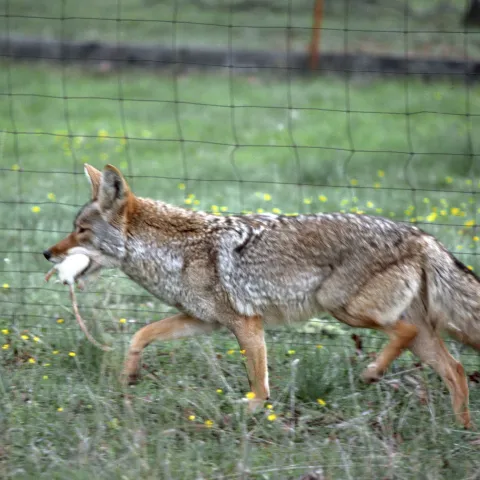
Toxic baits, or rodenticides, used to control rodents around the home and garden can harm nontarget animals, such as pets, birds, coyotes, and other wildlife. To reduce these negative impacts, California has passed several laws to limit what rodenticides can be used, how, and by who. Here’s what you need to…
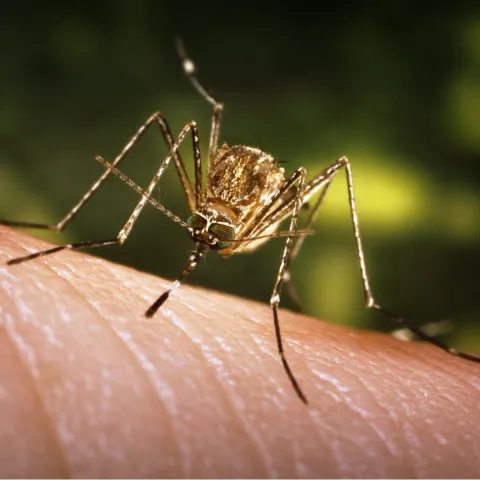
Mosquito season is in full swing in California, and the deadly West Nile virus is making its way around the state. Health officials have identified the virus in 17 counties and there has been 1 confirmed human death so far this year. West Nile virus is one of several diseases that can be transmitted to…
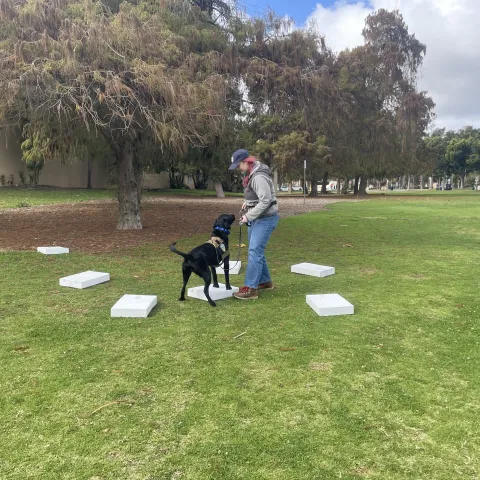
Dogs use their keen sense of smell to help humans every day. Their powerful noses alert us to danger, aid in search and rescue operations, and even have the potential to diagnose diseases. But did you know that some dogs have been trained to sniff out potential invasive pests? Enter—the detector dogs! …
A virus can reduce a plant’s growth, lower its yield, and result in inferior fruit, vegetables and flowers. Viruses are often very host specific. Recognizing symptoms can help you take appropriate action, where possible, to manage a virus and hopefully prevent its spread. The following are several viruses…
The dotted paropsine leaf beetle (Paropsis atomaria), an invasive pest native to Australia, was first discovered in California in 2022 and is rapidly spreading throughout Southern California targeting eucalyptus trees. Both adult beetles and their larvae feed on eucalyptus leaves, causing significant…