Entomologist Marlin Rice, who interviews "living legends" for the American Entomologist, a publication of the Entomological Society of America (ESA), uses a question-and-answer format in his popular Legends' column to connect with and draw out his subjects.
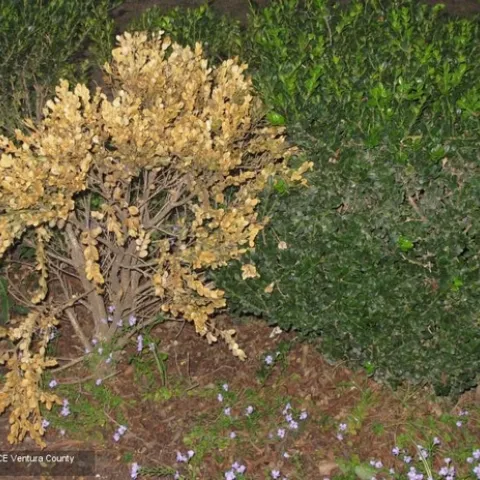
A well-watered plant that suddenly wilts or unexpectedly drops its leaves could be infected with the soil pathogen Phytophthora. The disease it causes, Phytophthora root and crown rot, can affect many plants, including ornamental trees and shrubs, fruit trees, and vegetables.
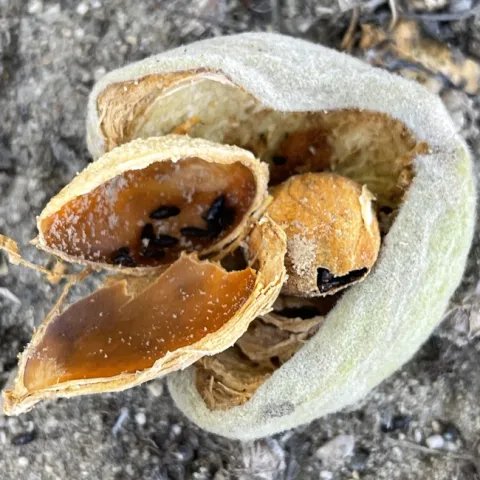
Late in 2023, California almond growers responsible for a crop valued at $3.88 billion in 2023 started to hear about a potentially devastating new pest, the carpophilus beetle (Carpophilus truncatus).
Can artificial intelligence be used in nematode management strategies? You won't want to miss a UC Davis seminar by Jiue-in Yang, assistant professor of nematology at UC Riverside.
UC IPM recently hosted a webinar on rat management presented by Dr. Niamh Quinn. During this webinar attendees were able to ask the expert their burning questions about rats and their management. Below are responses to common questions from the webinar.
Back in 2021 the California Invasive Plant Council (CAL IPC) and UC IPM launched the online decision support tool WeedCUT for wildland weed mangers to help assist making management decisions for wildland weeds.
Back in 2010, UC Cooperative Extension apiculturist Eric Mussen (1944-2022) of the UC Davis Department of Entomology and Nematology, and yours truly, department communications specialist, wondered why no insects appear in "The Twelve Days of Christmas." Zero. Zilch. Nada.
As the end of 2024 approaches, I'd like to reflect on the UC IPM Urban and Community program's accomplishments and share what's to come from us in 2025.
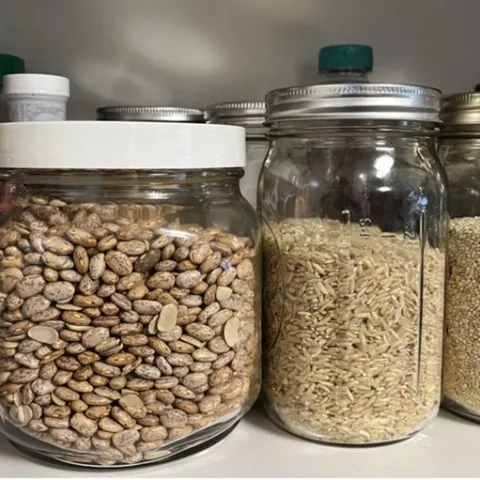
In a recent TikTok video, a woman's holiday baking spree came to a halt when she discovered bugs in her flour. While initially alarmed, the woman was also intrigued.
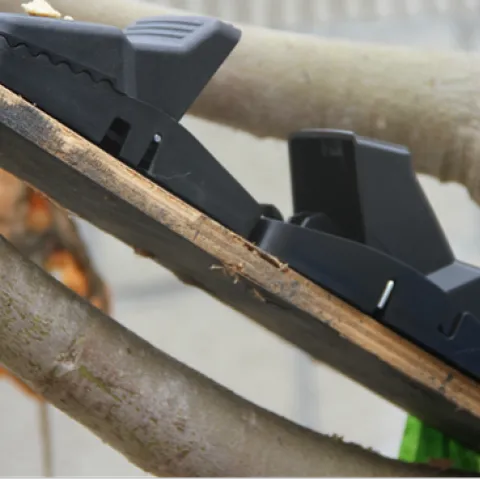
The most recent discovery of invasive shothole borer-pathogen complex in Santa Cruz County has been identified as a different species of beetle and symbiotic fungi than the two complexes previously known in California.