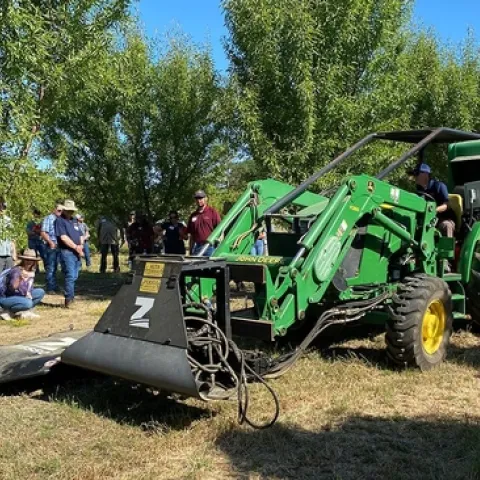
A contraption with a long, low, green metal arm swept noisily along the edge of a row of almond trees in an experimental orchard just west of UC Davis. Little flashes of light sparked between the bottom of the arm and the green weeds below, and puffs of gray smoke wafted up from the stricken pests.
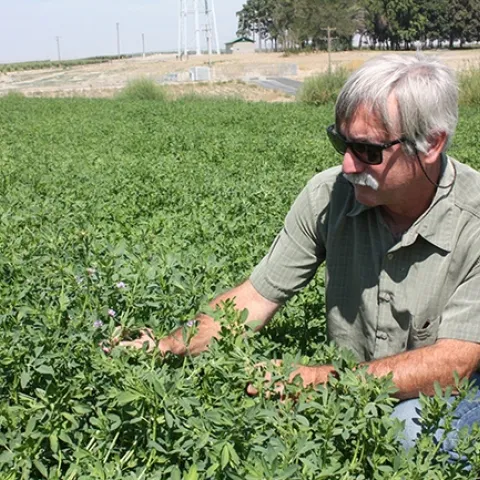
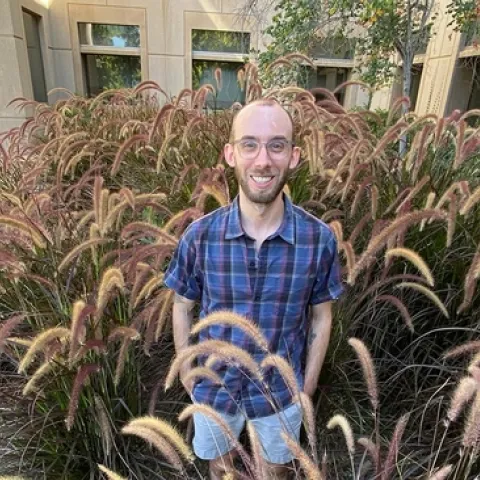
UC Davis doctoral alumnus Douglas Walsh, professor and Extension specialist in the Department of Entomology, Washington State University (WSU), is one of six newly elected Fellows of the Entomological Society of America.
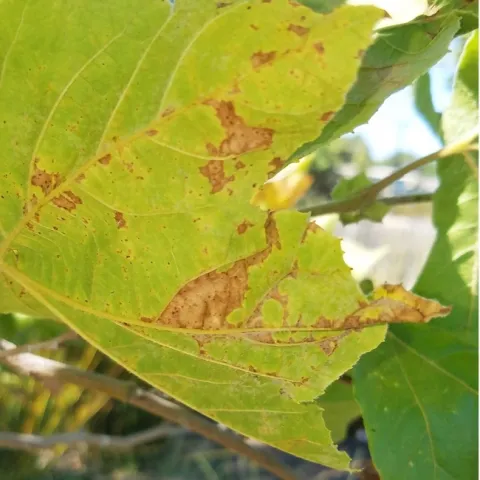
Have you been seeing a lot of defoliated sycamore trees recently? Sparse foliage and early leaf drop on sycamore trees might be due to anthracnose. The cool, wet spring in many parts of California provided the perfect conditions for this disease.
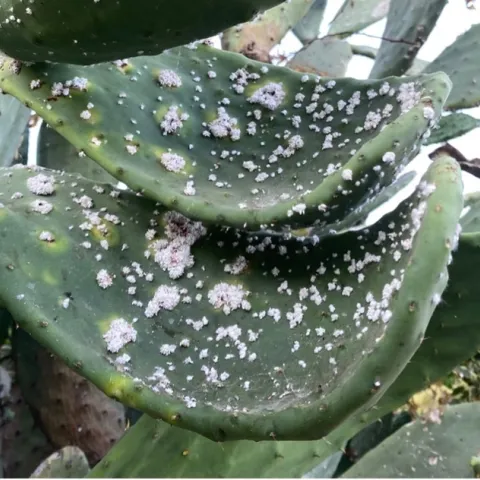
It may be after Labor Day, but some of your plants may still be wearing white, breaking that long-standing fashion rule! While many of us don't adhere to this old rule for our wardrobes these days, you may care about white stuff on your plants this time of year.
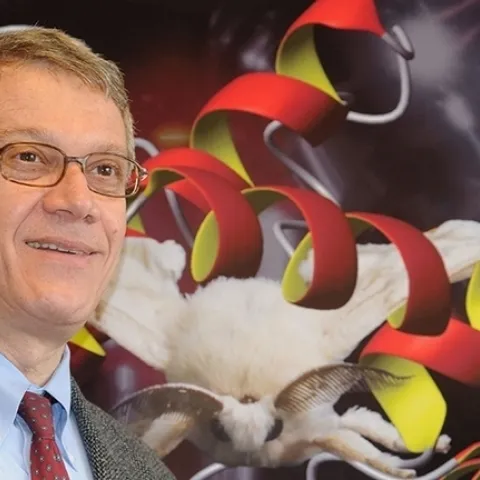
UC Davis distinguished professor Walter Leal is a newly elected trustee of the Royal Entomological Society (RES), the 13-member council that governs the 190-year-old international organization. He is the first UC Davis scientist to be elected a trustee.
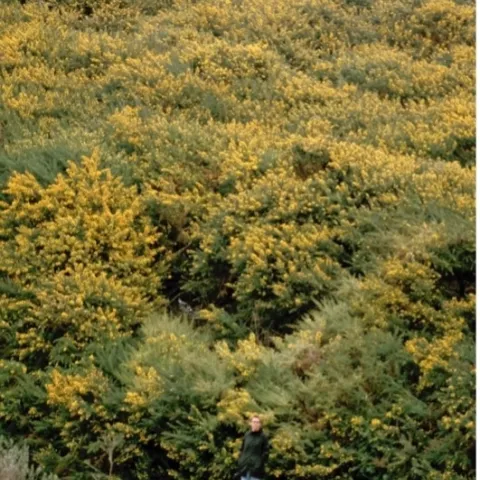
The Invasive Pest Spotlight focuses on relevant or emerging invasive species in California. In this issue we are covering brooms, a group of invasive shrubs. Invasive Broom facts Brooms are upright shrubs in the legume family that typically produce small, yellow, pea-shaped flowers.
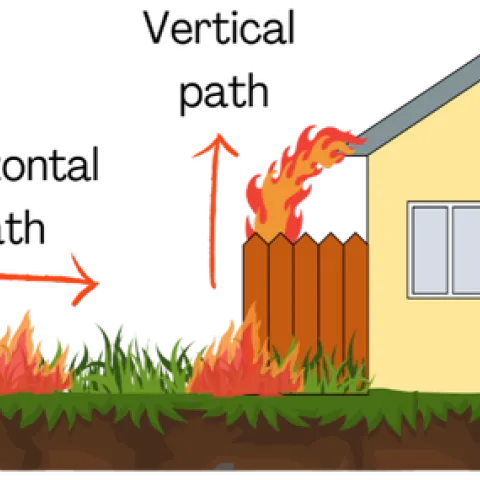
Wildfires are part of California's ecosystems, and they do not have to lead to the destruction of structures and livelihoods. Each of us can contribute to improving wildfire resilience, from individual homeowners and businesses to entire communities.
Justin Valliere has been hired to expand the Department of Plant Sciences' reach in the fields of invasion and restoration ecology. Valliere started as an assistant professor of UC Cooperative Extension in July.
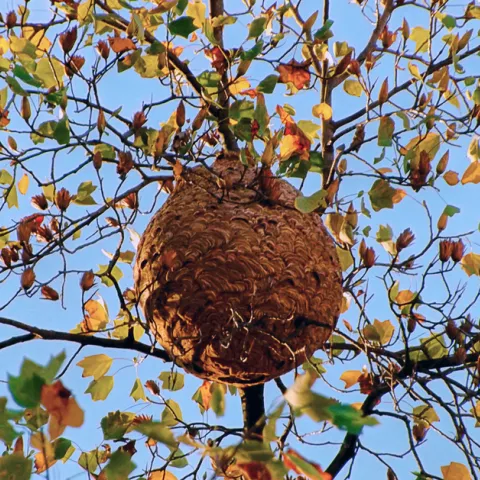
Folks in Georgia have more than Georgia on their minds. It's about this yellow-legged hornet detected in Savannah, Ga., the first live species of Vespa velutina reported in the United States.