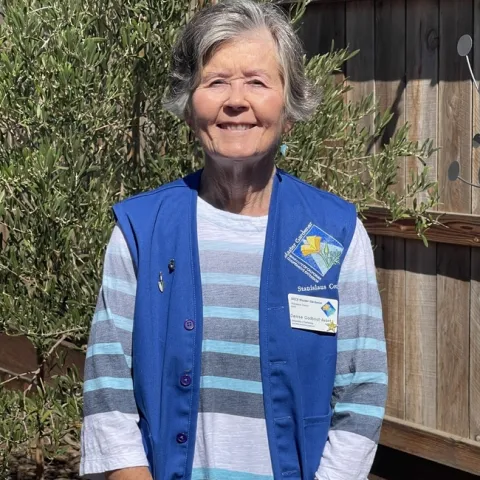
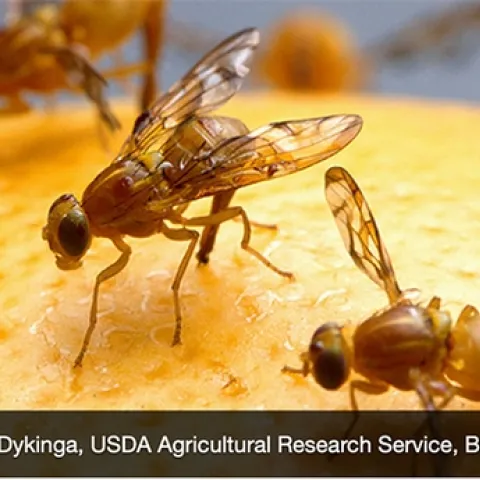
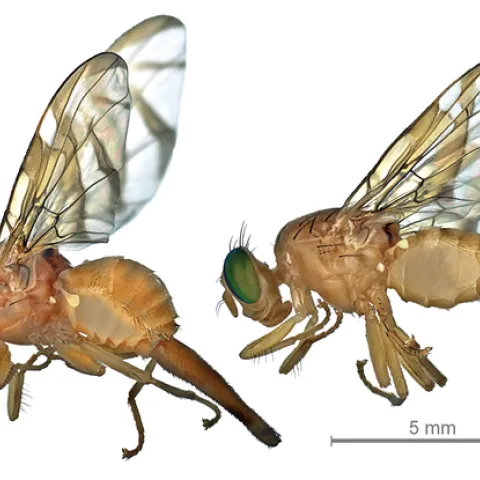
Julian Dupuis, an assistant professor at the University of Kentucky, will speak on Developing Genomics-Based Molecular Diagnostic Tools for Recurrently Invading Tephritid Pests at a seminar hosted by the UC Davis Department of Entomology and Nematology on Wednesday, Oct. 12 in 122 Briggs Hall.
University of California Agriculture and Natural Resources continued hiring county-based scientists at a rapid pace over the summer. With increased funding from Gov.
Original source: Western Farm Press Mitch Lies | Oct 04, 2022 Hazelnut growers looking for weed control options may soon be able to throw a new option in the mix. According to a presentation at the 2022 International Congress on Hazelnut, held recently in Corvallis, Ore.
The UC IPM Urban & Community Program hosts monthly webinars that are free and open to the public. Join us every third Thursday from 12pm-1pm for helpful pest related information. All webinars are recorded and posted on the UC IPM YouTube channel soon after.
Knowing what weedy grass you have in your lawn or landscape is very important in being able to properly control it. Dallisgrass is a common perennial weed that is easily identified and grows in uneven clumps in lawns and turf.
Many people think wild rabbits hopping around are adorablethere's even an international rabbit day celebrating wild and domestic rabbitsbut they're less welcome when they're eating your carefully tended garden. Wild rabbits in California can devour your garden vegetables, just like Peter Cottontail.
If you've been following the statewide news on the yellow fever mosquito, Aedes ageypti, you'll want to hear a seminar by Olivia Winokur on Wednesday, Oct. 5.
Abiotic plant disorders are generally caused by environmental conditions, rather than microorganisms. They are sometimes called noninfectious diseases. Abiotic disorders can develop if a plant's needs are not being met.
Throughout history bats have been objects of fear, hostility, and myths, largely due to their nocturnal, mysterious behavior. Horror movies and media exaggerations has led people to believe they are dangerous disease-ridden blood suckers. The truth is very different.


![Mature dallisgrass plant, Paspalum dilatatum. [Credit: K Windbiel-Rojas]](/sites/default/files/styles/large_square/public/2022-10/blog95301.jpg.webp?h=f6709e46&itok=KVcT6GNk)
![A black-tailed jackrabbit, also known as a hare. [Credit: US Fish and Wildlife Service]](/sites/default/files/styles/large_square/public/2022-10/blog95300.png.webp?h=6f991d19&itok=IKB75sM1)