Species Selection And Seeding

Event Primary Image
Starting Seeds For Success - Laguna Beach
UC Master Gardeners of Orange County: Event

Starting Seeds For Success - Laguna Beach

Event Date
Jan 17, 2026

Propagation of plants can be a gardener’s super power. But it can also mean lots of struggles. Come and learn ways that you too can be successful when it comes to starting seeds. Learn how to read a seed packet to optimize your harvest. Identify the tools you need and learn how to repurpose things you…
UC Master Gardeners of Orange County
View Event
UC Master Gardeners of El Dorado County: Event

Central Sierra: Seed Saving (EDC MG)

Event Date
Sep 6, 2025

Seed saving and free access to Sherwood Demonstration Garden seeds! Join us for a leisurely stroll through the various and beautiful Gardens of Sherwood Demonstration Garden. We will help you gather seeds from selected plants to take home and try in your own yard. Learn about tried-and-true…
UC Master Gardeners of El Dorado County
View Event
Primary Image
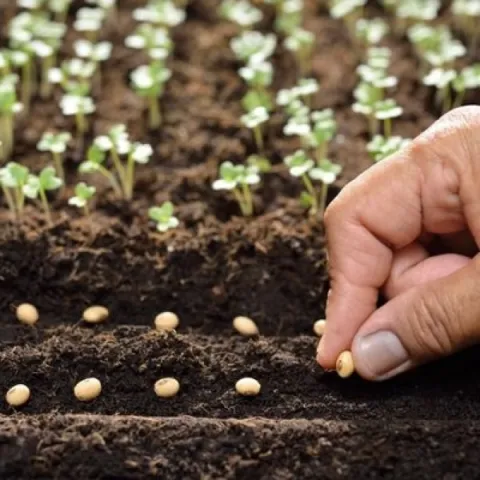
Hand-planting seeds in rich soil with seedlings in the background
UC Master Gardeners of Monterey, San Benito & Santa Cruz Counties: Article

April Direct Sowing in the Monterey Bay Area

April 1, 2026
By Denise Pinard
 April Direct Sowing in the Monterey Bay Areaby Delise WeirApril is the "sweet spot" for gardeners in the Monterey Bay area.With the frost risk behind us and an unseasonably warm spring heating the soil, you can skip the plastic pots and indoor grow lights. Planting seeds directly into your garden beds…
View Article
Primary Image
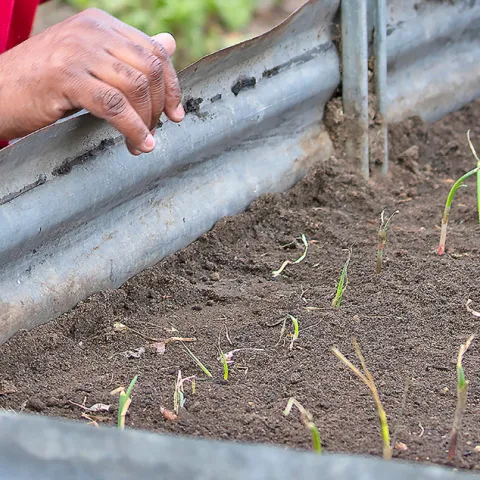
raised bed filled with onion seedlings and a person holding the side of the bed wearing a read sweater.
UC Master Gardener Program: Page

Seed Germination Temperature and Timing

Soil Temperature Conditions for Vegetable Seed GerminationMany internal and environmental conditions influence seed germination: seed condition, water availability, sufficient air, soil conditions, and temperature. The chart below lists the optimum soil temperatures at which they do best. This does not mean…
View Page

April 2025: The Joys of Selecting and Planting Seeds

Primary Image
Seed packets
Body
Image
Seed packets
Selecting from the many varieties of certified organic seeds is part of the fun in planning a summer garden.

It’s hard to find a gardener who doesn’t love checking out new seed varieties and anticipating the abundant and tasty harvest they promise. The photos and descriptions are tantalizing and the names intriguing. Who wouldn’t be curious about a pumpkin variety called ‘Abominable’, a pepper named ‘Frodo’, or a tomato tagged ‘Dancing with Smurfs’?  With so many seed varieties to select from, narrowing down the choices can be challenging. In January this year, a team of EDG volunteers had a lot of fun picking out varieties for our spring and summer crops.

How Seeds are Selected

Seed selection starts with a garden plan, taking into consideration the space available for each type of crop. Once decisions are made about which crops to plant and where to plant them, choosing the right varieties becomes the focus. The Demo Garden is the perfect place to try out some of those new and different seed options while continuing to plant those varieties that have proven to be reliable. Planting more than one variety of each crop makes it possible to directly compare them in terms of growth and productivity.

Time to maturity is important in determining which summer crop varieties to plant. The soil must be consistently warm (over 55 degrees) for the time specified in the variety description to produce a crop. The climate in the Indian Valley Organic Farm and Garden where the Edible Demo Garden is located provides a long enough growing time for most summer crops. However, varieties requiring more than 120 days to maturity may not achieve full production before the weather turns cool.

Seeds planted in the Edible Demo Garden must be organic certified. Organic seeds are from plants grown in compliance with federal standards which exclude the use of synthetic fertilizers, pesticides, and genetically modified technologies. Seed choices for the Demo Garden are often based on the descriptions provided by organic seed companies and it’s up to the volunteers to determine which varieties seem well suited for the garden conditions and promise the best taste.

Planting the Seeds
Planting seeds in seed flats
Seeds are planted in flats filled with starting soil mix. Vermiculite is added on top to control moisture.

On February 27th, the new MMG training class got hand-on practice in seed starting. Seeds are planted in a starting soil mix in flats of cells with 2 or 3 seeds per cell. Supervised by EDG volunteers, the trainees planted 60 cells of cucumbers (‘Armenian’, ‘Crystal Apple’, ‘Jin Yang’ and ‘Early Fortune’) and 90 cells of sweet peppers (‘Pusztagold’ and ‘Bacskai Feher’), along with 30 cells of green onions and 72 cells of lettuce. The class will have the chance to take some of the cucumber and pepper starts home to plant in their own gardens where they can assess how well they grow in our different microclimates. The planted seeds are now germinating in the greenhouse.

Seed flats in greenhouse
The controlled light, moisture, and heat in the greenhouse provides the perfect environment for the seeds to germinate.

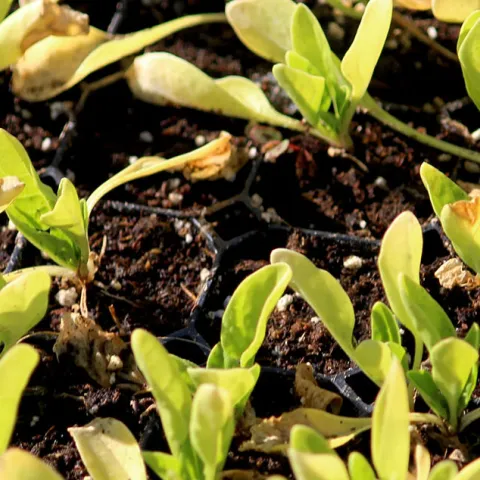
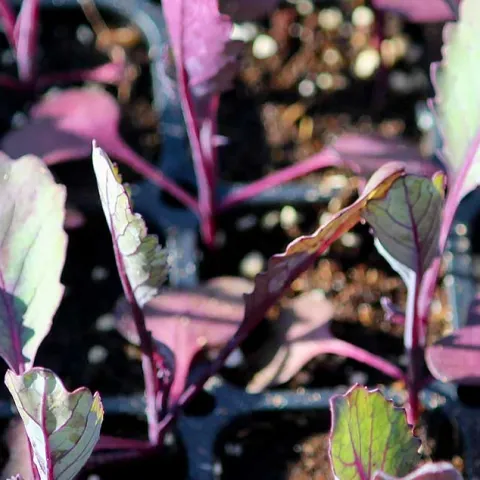
Starting plants in the greenhouse gives them an advantage and allows better timing for optimum crop production. They are not ready for transplanting outside until they have developed at least one set of true leaves. The first set of leaves to appear are embryonic leaves called cotyledons. They look different from the plant’s typical foliage. True leaves are the more recognizable leaves that develop above the cotyledons. The time required for seedlings to be ready for transplanting varies. Beans can be ready in 3 to 4 weeks while peppers can take more than 8 weeks.

New Varieties in the Demo Garden
Sprouted seedlings
Seedlings are nurtured in the greenhouse until they develop at least one set of true leaves.

EDG volunteers look forward to growing the new seed varieties they have selected for the summer. The seeds have been ordered but not all have been planted. ‘Dancing with Smurfs’, an indigo-colored cherry tomato, along with ‘Altai Orange’ and ‘Woodstock’ are among the new tomato varieties. Two new melon varieties, ‘Sweet Freckles’ and ‘Farthest North Galia’ will be tried in the garden. The ‘Pusztagold’, and ‘Bacskai Feher’ peppers, now germinating in the greenhouse, are small, sweet Hungarian type peppers. Last summer’s pepper crop included an overabundance of hot peppers, so it’s sweet peppers in demand this year.

Starting with seeds is rewarding. There is the pleasure of choosing seeds from the many available varieties and the joy of nurturing them and watching them grow into tiny plants. It’s even better when the veggies and fruits turn out to be as yummy as the seed descriptions promise.


Click here for more information on planting from seeds.

UC Marin Master Gardeners