
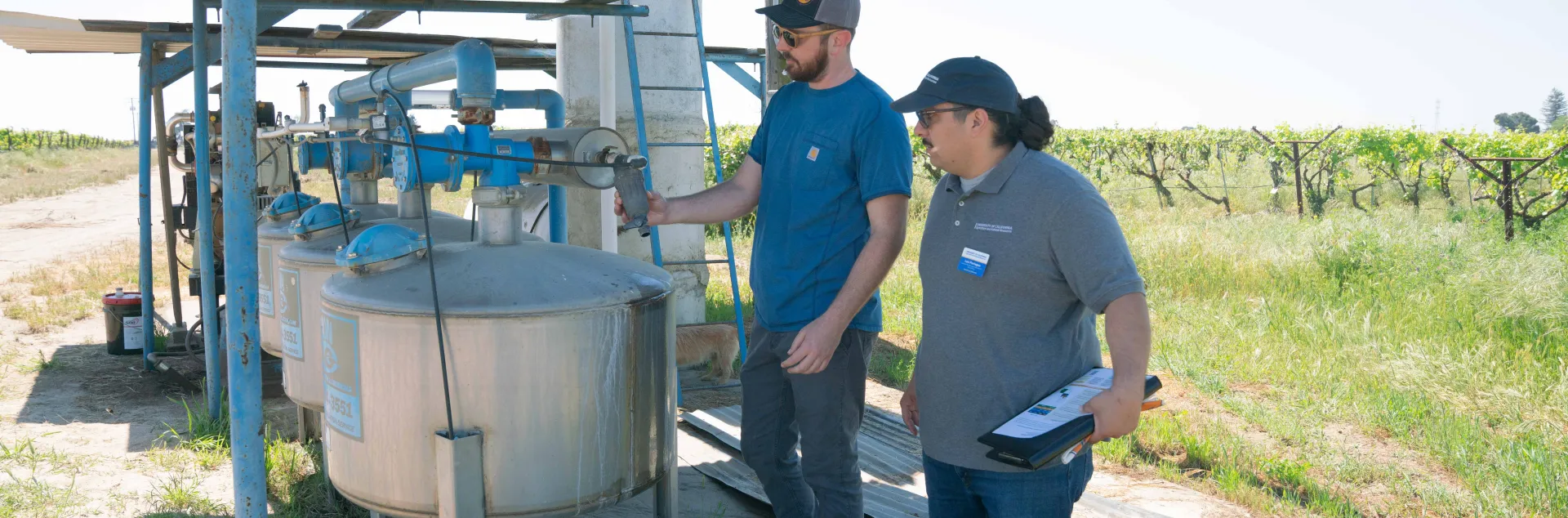
CAFF, UC ANR researchers recommend assistance for farmers who use limited groundwater to avert losing small farmers
Small farms across the state may not be able to comply with groundwater regulations and stay in business, according to a new report analyzing the impact of California’s Sustainable Groundwater Management Act (SGMA) on small-scale farms.
In the first-ever assessment of small farmer consideration in California groundwater regulations, researchers at the University of California Small Farms Network and the Community Alliance with Family Farmers document the challenges facing small-scale farms with groundwater regulations.
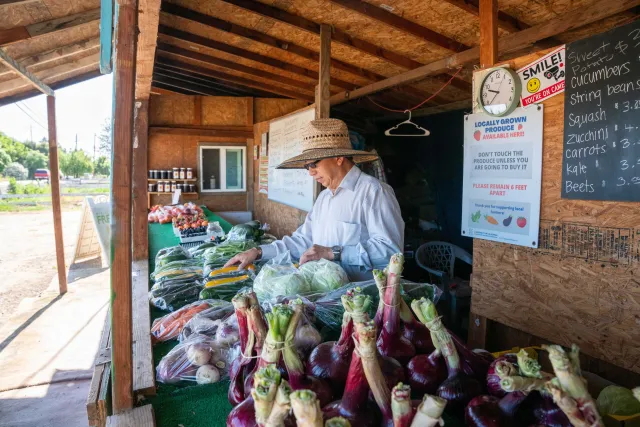
The report “Managing Groundwater with Small Farms in Mind: Risks, Barriers and Opportunities in the Sustainable Groundwater Management Act” (PDF) warns that farmers need an approach that helps them understand and adapt to the new regulations – while safeguarding their ability to grow food for California consumers.
“Our state’s small-scale farmers face disproportionate risks and barriers with SGMA implementation,” said Catherine Van Dyke, director of water policy at Community Alliance with Family Farmers, a nonprofit that aims to build sustainable food and farming systems. “The future of groundwater management in California will be measured not only by hydrologic indicators but also by whether California’s agricultural communities remain viable and resilient long-term.”
Based on three years of statewide outreach, surveys, policy document review and engagement with small farmers, the report highlights the value of small-scale farms in California’s priority water basins located in the San Joaquin Valley, Sacramento Valley, Central Coast, North Coast and Southern California regions.
In these geographically and economically diverse regions, researchers identified farmers whose groundwater use is limited and contribution to basin-wide overdraft is minimal and therefore warrant reasonable accommodations in groundwater management policies.
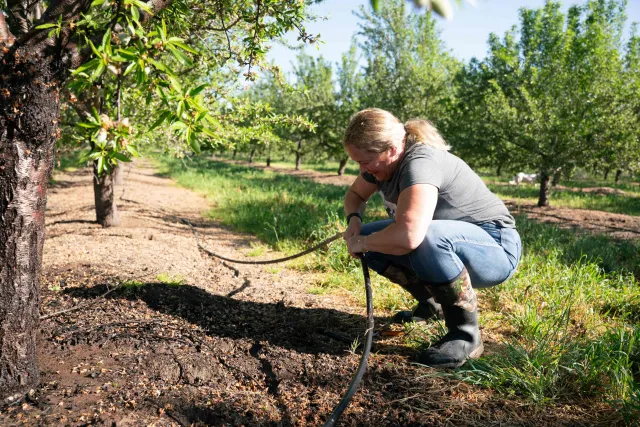
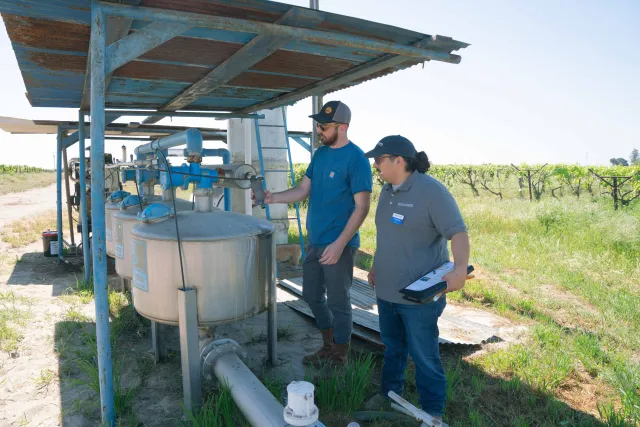
Groundwater is a hidden resource that is key to small farms’ survival. Farmers irrigate crops in winter months with surface water from the season’s snowpack that reaches streams and rivers, then in summer months from wells that draw up groundwater from aquifers.
In 2026, groundwater will be even more critical due to climate volatility and the extremely low snowpack from the Sierra Mountains. While surface reservoirs can be filled in a season, it takes decades or longer to replenish groundwater. Serious impacts from overpumping include the surface of land sinking (subsidence), water quality problems, vulnerability to seawater intrusion and risk of more wells going dry from lowering groundwater levels.
Although SGMA (passed in 2014) is a necessary step towards ending decades of unsustainable groundwater pumping, the research views the widespread loss of small farms as an emerging undesirable result not due exclusively to overdraft but also from lack of groundwater management tailored to the needs of small farms.
“Many small farmers are navigating volatile markets, rising costs, labor challenges and complex regulations,” said Ngodoo Atume, SGMA small farms technical assistance coordinator with the UC Small Farms Network, a part of UC Agriculture and Natural Resources. “New groundwater restrictions and compliance costs could be the last straw, unintentionally putting these farmers at risk of going out of business because they often have fewer financial resources, less technical capacity and fewer options to adapt.”
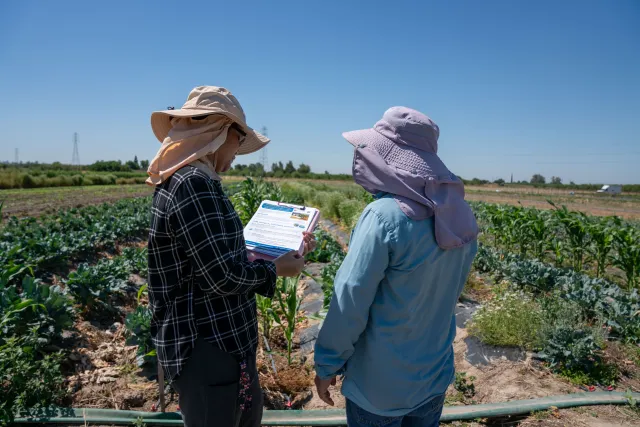
The report proposes 50 actionable recommendations to protect small farms while valuing these farms as part of long-term groundwater management. In addition, the authors identify four opportunities for action across state agencies:
- Identify small-scale farmers locally
- Coordinate and act to keep small farmers in business
- Implement actions that support small-scale farmers in groundwater management decisions
- Support equitable transition pathways
Key takeaways are available for Californian communities (PDF), Groundwater Sustainability Agencies (PDF) and State Agencies (PDF).
Report authors Catherine Van Dyke and Ngodoo Atume will present findings from the report during upcoming webinars hosted by Maven’s Notebook (August 4) and the Berkeley Food Institute (September 16).
UC Small Farms Network and CAFF are partners of the California Department of Water Resources Underrepresented Communities, California Tribes, and Small Farmers Groundwater Technical Assistance Program, which aims to support small farms with groundwater technical assistance.
Their report does not reflect official positions or regulatory standards applied or used by the Department of Water Resources when administering its functions under SGMA. Contact sgma@caff.org and sgma@ucanr.edu for more information on groundwater technical assistance for small farmers.
About CAFF
Community Alliance with Family Farmers (CAFF) is a nonprofit organization whose mission is to build sustainable food and farming systems through policy advocacy and on-the-ground programs that create more resilient family farms, communities and ecosystems.
About UC Small Farms Network
UC Small Farms Network is a statewide program of the University of California Agriculture and Natural Resources, integrated within the UC Sustainable Agriculture Research and Education Program. UC Small Farms Network is guided and motivated by a vision of a thriving, viable California agriculture that has a diversity of small- and moderate-scale farms that remain profitable, enhance the environment, enrich our culture, and improve the quality of life for both producers and consumers.