
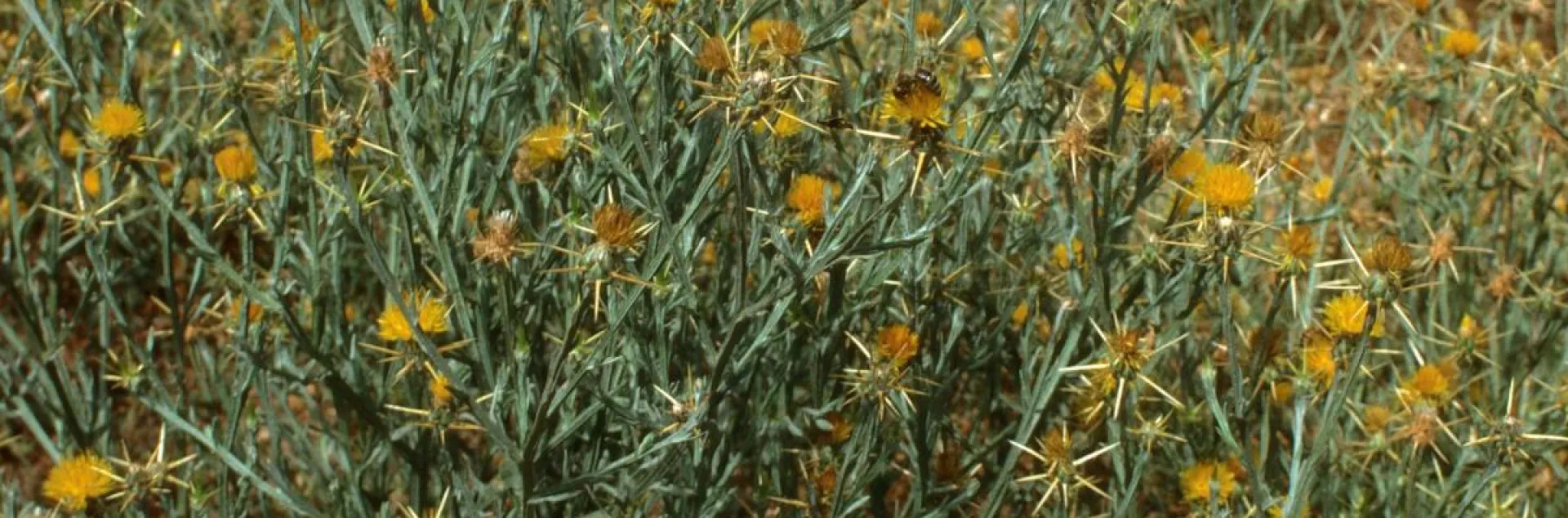

When Europeans first settled in California in the 1700s, they brought with them – by accident or on purpose – plant and animal species from their home countries. Californians have benefited from many of these plants and animals – including grapes, olives, potatoes, cattle and many more. However, a small proportion of introduced species have been deemed “invasive” because they harm the state’s environment and economy – such as Tree of Heaven, yellow starthistle and Scotch broom.
To raise awareness about and prevent the introduction of invasive species, a number of California organizations and agencies are working together to host the annual California Invasive Species Action Week, June 6 to June 14, 2026.
Some of the invasive species in Fresno County are:
Golden mussel: Discovered in the Delta-Mendota and Friant-Kern Canals in Mendota, these fast-multiplying shellfish heavily restrict water flow and cause millions of dollars in damage to irrigation systems.
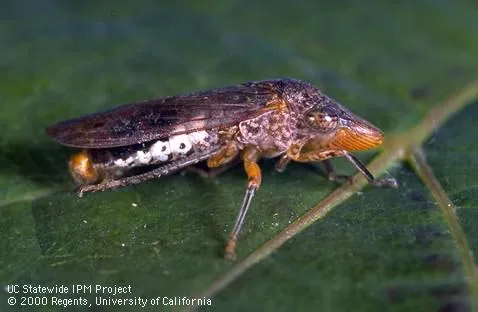
Glassy-winged sharpshooter: An agricultural pest which vectors incurable Pierce's disease in grapevines. GWSS infested grapevines were recently sold to the public in some Northern California Costco stores.
Nutria: Large, destructive swamp rodents found in the San Joaquin River, Fresno Slough and Mendota Wildlife Area, known for destroying wetlands.
Shovelhead worm: Invasive predatory worms that kill beneficial earthworms using toxic mucus. A UC Master Gardener has found shovelhead worms in her own backyard.
Aedes aegypti mosquitoes: Aggressive, daytime-biting mosquitoes found across the county. These tiny black and white mosquitos are a nuisance and can transmit viruses like zika, dengue and yellow fever.
The following agencies offer up-to-date information about these and other invasive species concerns:
- Animals, California Department of Fish and Wildlife
- Insects, California Department of Food and Agriculture
- Plants, California Invasive Plants Council
UC Agriculture and Natural Resources, the parent organization of the UC Master Gardener program, will hold free lunchtime webinars during California Invasive Species Action Week. Register for each webinar separately using the link at the end of the description.
June 8, 2026, 12:00 noon
Weeds and Fire: A Dysfunctional Relationship in the Santa Monica Mountains
Presented by Joey Algiers, National Park Service - Santa Monica Mountains National Recreation Area
Over the past two decades, Santa Monica Mountains National Recreation Area (SMMNRA) has experienced repeated large-scale wildfires, with more than 70% of the mountain range burning since 2007. The 2018 Woolsey Fire alone burned nearly 90% of National Park Service lands within the recreation area, dramatically reshaping ecosystems and accelerating the spread of invasive plants across the landscape. This presentation explores the complex relationship between wildfire and invasive plants in the Santa Monica Mountains, the challenges land managers face in restoring fire-impacted landscapes, and the evolving strategies being used to support recovery in one of the world’s largest urban national parks.
Click to register for this lunchtime talk
June 9, 2026,12:00 noon
Tiny Flies, Big Threat: California’s Battle Against Invasive Fruit Flies
Presented by Eric Middleton, UC Integrated Pest Management advisor, UC Cooperative Extension
Exotic fruit flies regularly enter California and pose a significant threat to both agriculture and residential gardens. However, prompt responses from local and state officials have consistently eradicated these pests before they can become established. Using Mexican fruit fly and Oriental fruit fly as examples, Middleton will cover current and recent quarantines, existing control measures, and what members of the public should do to avoid future introductions of exotic fruit flies.
Click to register for this lunchtime talk
June 10, 2026,12:00 noon
The bird that took over the neighborhood
Presented by Jeff Stackhouse, UC Cooperative Extension livestock and natural resources advisor
Eurasian collared doves have spread across North America at remarkable speed, becoming a familiar sight in cities, suburbs and agricultural areas. Stackhouse explores how this invasive bird adapted so successfully to human environments, what has fueled its expansion, and what its growing presence may mean for native wildlife and agriculture.
Click here to register for this lunchtime talk
June 11, 2026,12:00 noon
California’s Marine Invasive Species Program: 25+ years of comprehensive pathway management
Presented by Chris Scianni, California State Lands Commission – Marine Invasive Species Program
California’s Marine Invasive Species Program (MISP) was initiated in 2000 and tasked by the California Legislature with developing, implementing and enforcing regulations for commercial ships that operate in California to reduce the likelihood of successful nonindigenous species introductions. Over the ensuing 25+ years, the MISP has become a global leader on the development and implementation of science-based regulatory requirements for managing ships’ ballast water and biofouling. MISP activities have coincided with a three-fold reduction in the detection rate of new aquatic nonindigenous species likely attributable to commercial ships.
Click to register for this lunchtime talk
June 12, 2026,12:00 noon
Weeds on the Move: Invasive Plants in California
Presented by Constance Taylor, California Invasive Plant Council
Invasive weeds are transforming California’s landscapes, affecting ecosystems, wildfire risk and local communities. Taylor provides an overview of priority invasive plants, their impacts and practical resources the public can use for identification, reporting and management.
Click here to register for this lunchtime talk
__________________________
Written by UC Master Gardener Jeannette Warnert