
Innovations, inspiration to be shared at UC Environmental Stewards conference Oct. 9-11
With severe storms increasingly likely from the “super El Niño” building in the Pacific Ocean, communities across California are scrambling to prepare – clearing ditches and culverts, fortifying burn scars (like those in Altadena and the greater L.A. area), readying shelters and assembling response teams.
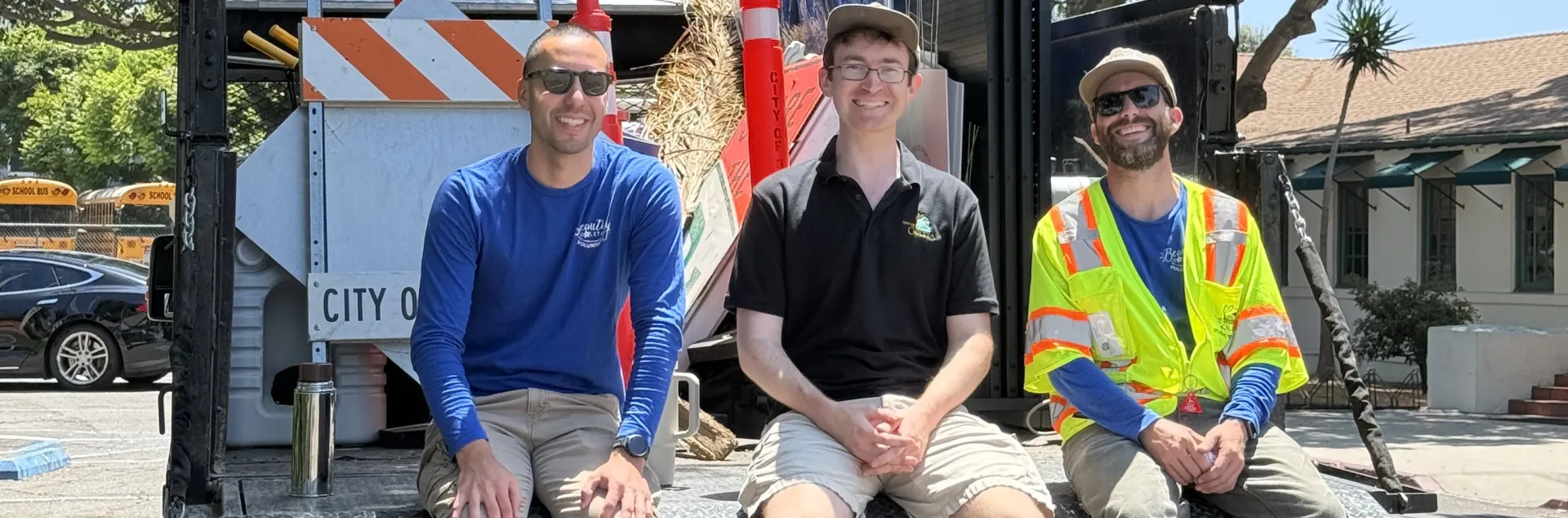
Residents in Santa Barbara County are getting a head start in preparations, thanks in part to Jason Scott-Sheets, a certified University of California Climate Steward.
Scott-Sheets and other CivicSpark fellows (an AmeriCorps program that builds governmental and agency capacity) have been laying the groundwork for a new volunteer program. In collaboration with local nonprofit Santa Barbara Channelkeeper, the team is launching an effort to rapidly assemble cleanup crews after major storms to pick up accumulated debris flushed by stormwater.
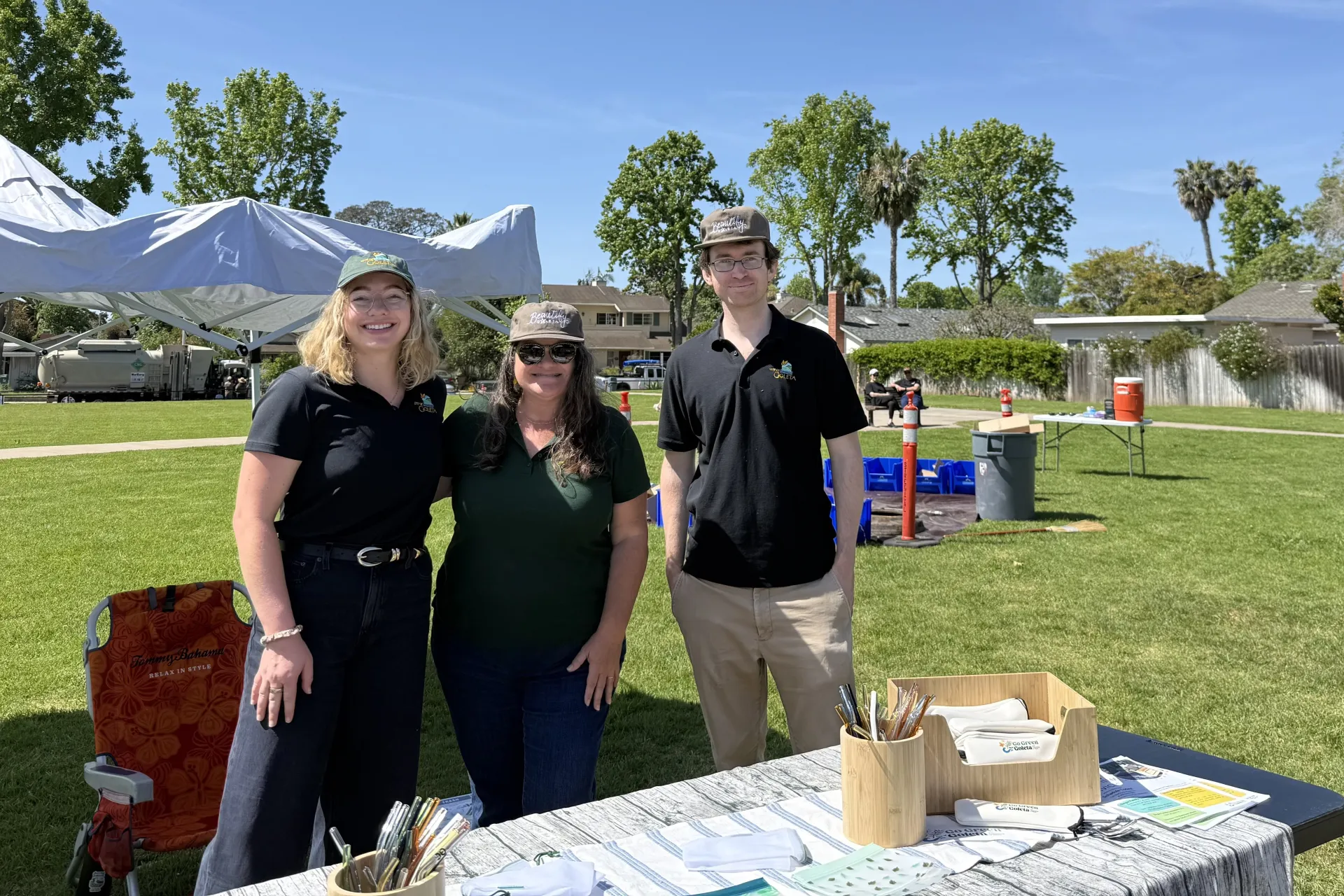
“In the wake of storms, extra trash and debris wind up in local waterways and beaches, polluting water and harming wildlife,” said Scott-Sheets, who became a certified Climate Steward in June through Community Environmental Council. CEC is one of 30 organizations across the state that offer the certification course, which is administered by the University of California Environmental Stewards program.
For his stewardship project in the class, Scott-Sheets pledged to work on a stormwater response initiative – a way for community members to actively participate in the protection of area beaches and coastal waters.
Over the last couple months, Scott-Sheets and his colleagues have been assembling recruitment and educational materials, connecting with local partners, signing up residents, and gathering logistical and safety information for the volunteers.
“If you’re concerned about the balance of the local ecosystem and the welfare of different species that live in the waters around here, this is something that you can do that will really make an impact in protecting them,” said Scott-Sheets.
By signing up, community members will receive alerts from Channelkeeper on upcoming storm events, highlighting priority areas for volunteers to clean up and providing information about supplies and procedures.
The stormwater response project is just one example of how Climate Stewards across California are taking action ahead of this historically strong El Niño, including boosting resilience of desert communities, restoring habitat for flood mitigation, and working with school districts to prepare their gardens. Many Climate Stewards will be sharing plans and ideas at the UC Environmental Stewards conference in Santa Barbara, Oct. 9-11.
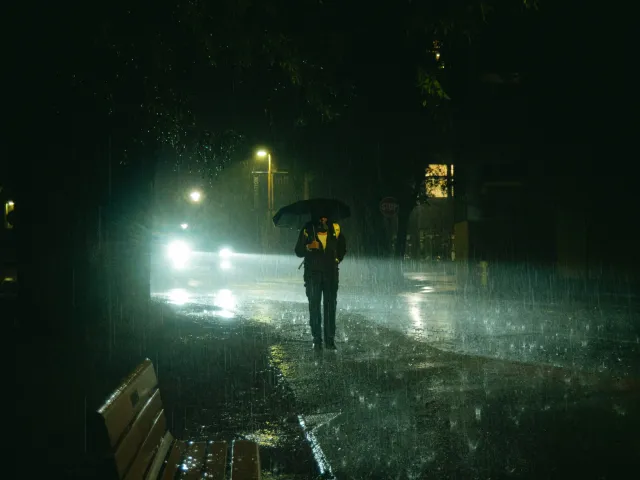
“For months climate scientists and meteorologists have been documenting and warning us about the growing El Niño and its potential impacts; we don’t want to be in the position where we look back and say, ‘I really could have done more to prepare,’” said Gregory Ira, director of UC Environmental Stewards. “The Climate Stewards course provides community members with the tools they need to take action proactively and mitigate some of the worst outcomes that we could experience.”
Climate Stewards course equips participants with communication skills
The social dimensions of the “climate conversation” are emphasized throughout the Climate Stewards course, which was launched in 2020 as a parallel certification course to the UC California Naturalists (both are administered by the Environmental Stewards program, a part of UC Agriculture and Natural Resources). More than 1,800 people have become certified Climate Stewards.
“One of the major tenets of the class is community-level action, recognizing that all of our climate issues are rooted in many layers of social disparities,” said Sarah-Mae Nelson, assistant director of the Environmental Stewards program and coordinator of the Climate Stewards Initiative. “Climate science is important, but often uprooting intentionally harmful systems or reimagining inequitable social situations can be solutions, too; that’s why we promote collective action – communities coming together to take climate action.”
Aimed at preparing people to communicate and advance efforts to strengthen community and ecosystem resilience, the Climate Stewards curriculum equips participants with a strong foundation in climate science, adaptation and communications (such as this El Niño fact sheet from UC ANR researcher Daniel Swain) – as well as resources relevant to local challenges.
Scott-Sheets, whose educational background is in government and public policy, said that the course gave him a deeper understanding of the environmental sciences.
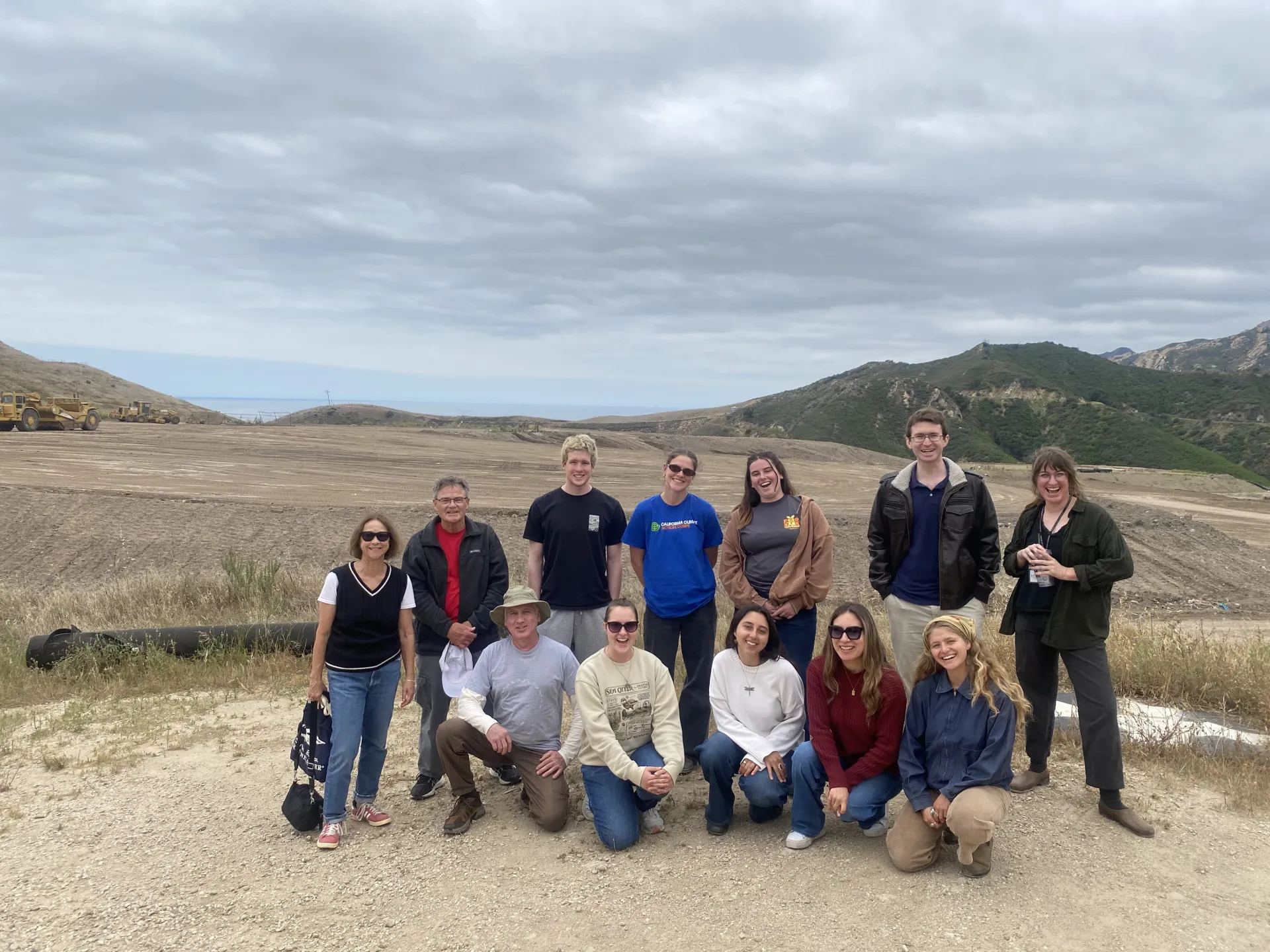
“There was never really a dull moment; I was captivated throughout,” said Scott-Sheets, singling out the field trips to places like Gaviota State Park and Tajiguas Landfill, where he got to see classroom concepts in action.
On top of the scientific grounding he received, he especially appreciated the emphasis on communicating about climate, including tools and techniques to use in difficult conservations about climate. One lesson he learned is respecting and speaking directly to what the other person values, whether it’s the safety of their loved ones or the protection of wildlife.
“They have different concerns that dominate their lives; they have priorities of their own, which might not be the same things that matter most to you,” Scott-Sheets explained. “If you want to have an effective conversation, it's important to take that into account and try to connect the issue to the things that are important from their point of view.”
Kathi King, instructor of the Climate Stewards course offered by Community Environmental Council, noted that the climate crisis is “a communications crisis” and the emphasis on interpersonal connection is intentional.
“I think the true strength of the course is that there’s a really heavy focus on behavioral science; it’s not all just, ‘Here’s the carbon cycle and the water cycle and what we’re doing to it,’” King said. “It goes much deeper than that on a personal level to examine trauma awareness and how that feeds into how you talk to people or how you educate people.”
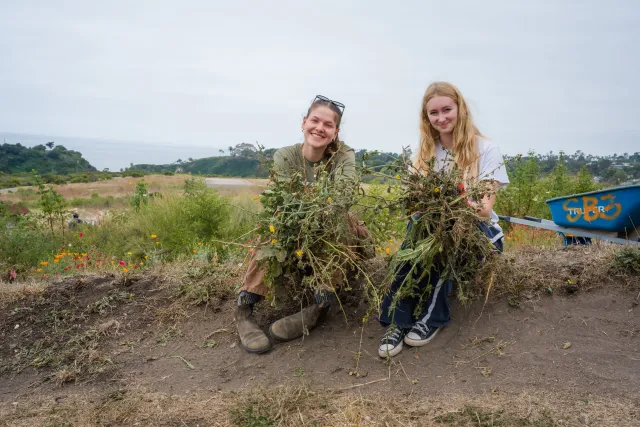
Community Environmental Council, other partners spark climate dialogue and action
Nelson, lead designer of the Climate Stewards curriculum, said that the course is designed to “prepare people for change” – intellectually, psychologically and emotionally.
“It’s not just like: ‘This is how we can mitigate floods; this is how we can deal with power outages,’” Nelson explained. “The curriculum also draws on the Climate Mental Health Network, which now has an extreme weather mental health toolkit that helps people deal with what’s coming and that anticipated trauma from the destruction of property or places that are deeply loved.”
The focus on mental health and communication surprised the first participants in the course, but instructor King said they soon grasped the significance of such an approach while she adjusted their expectations for their experience.
Community Environmental Council was among the first partners to offer Climate Stewards certification. Founded in 1970, the organization worked on a variety of environmental issues in Santa Barbara County until pivoting around 2007 to an explicit focus on solutions for the climate crisis.
Seeking to engage and activate the community beyond its usual lineup of lectures and film screenings, CEO Sigrid Wright met the UC ANR team at a conference in 2019 and jumped at the chance to participate in the nascent Climate Stewards program.
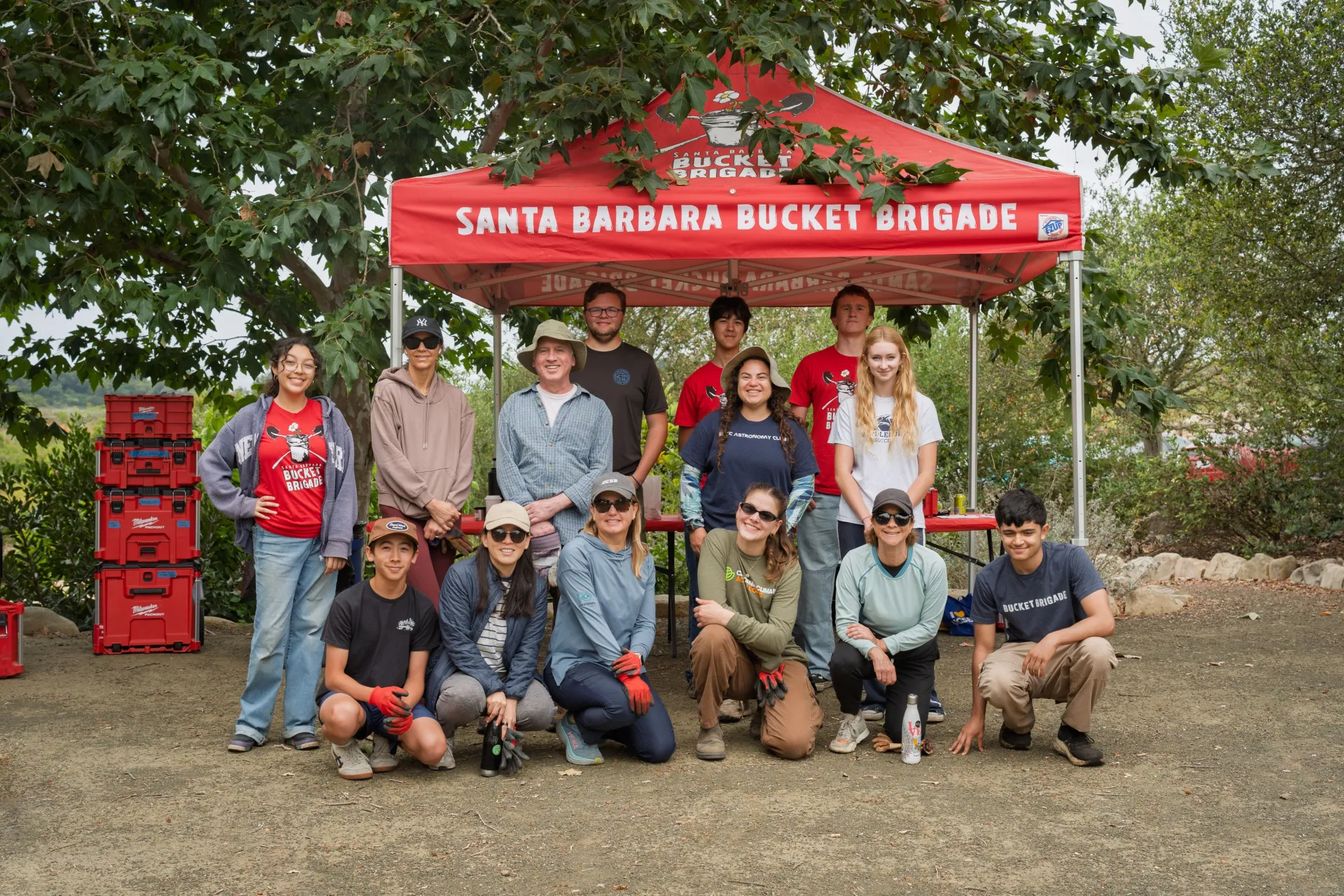
King was trained as part of the first cohort of instructors in 2020, and CEC offered the course for the first time in early 2021. Since then, 249 people have earned their certification through the 40-hour course, which has attracted participants from San Jose to Los Angeles.
“We comprise a little over 15% of the total number of Climate Stewards across the state, since the program started in 2020,” said King.
It’s not just the sheer number of Climate Stewards that make them so impactful in the region. They also represent different pockets of the community and bring their knowledge into their unique social networks – beyond CEC’s usual orbit.
“We have the people who come to our events and we have the organizations we work with, but we don’t have influence at a church in Lompoc or at other nonprofits’ facilities,” King said. “People come to our classes and bring with them their own spheres of influence, whether it’s the street they live on or their business; they really broaden the scope of our work by starting projects in all of these places where we wouldn't ordinarily have a reach.”
UC Environmental Stewards conference in Santa Barbara welcomes the public
Both King and Scott-Sheets mentioned that the diverse perspectives and experiences that Climate Stewards bring to the course constitute a major strength.
“We’ve had people come in and say, ‘I have no one else to talk to about this,’” King said. “So there’s a lot of really beautiful sharing that happens in our discussions…we get such a broad swath of community members coming in and then they meet people that they might not otherwise have met.”
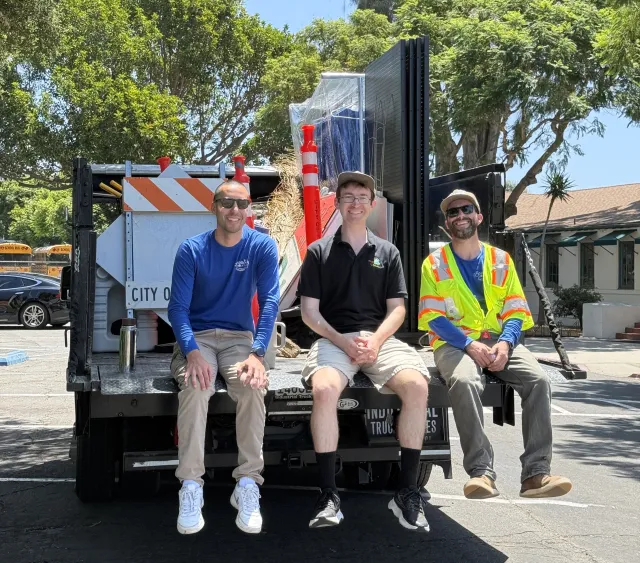
For Scott-Sheets, the opportunity to rub shoulders with action-oriented kindred spirits has been inspirational during a time when environmental causes are facing considerable headwinds in the U.S.
“It was a reminder for me that, even if things seem a little dispiriting, there are always people who are ready and willing and taking action in their own lives, in their own communities,” he said. “None of us are alone in caring about these things.”
The upcoming UC Environmental Stewards conference, Oct. 9-11 at UC Santa Barbara’s Corwin Pavilion, will be another chance for that larger community to come together. In addition to UC California Naturalists and Climate Stewards and course instructors, the conference is open to the general public, including people who have never engaged with the program before.
With CEC serving as the host partner for the conference, King said she is looking forward to reconnecting with the Environmental Stewards team and hearing speakers such as California Institute for Water Resources climate scientist Daniel Swain.
“The lineup is always full of people who speak from the heart and give you the inspiration you need to keep going,” King said. “This work can be heavy, so we’re going to find the joy in gathering with people who are like-minded and rowing in the big boat together.”