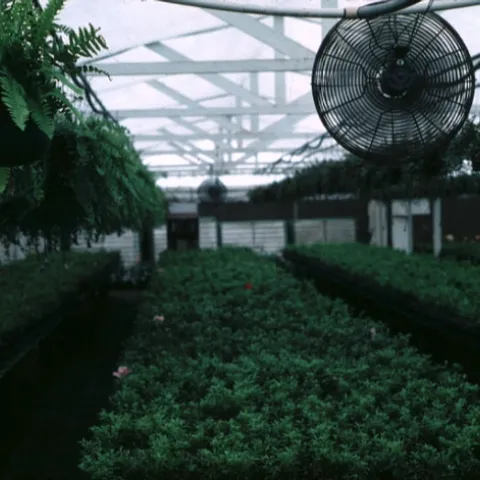
The previous blog post explained how moving air helps maximize photosynthesis by increasing the ambient CO2 diffusion into the leaf. The trick is to efficiently move air around the greenhouse so that can happen. Since 1967, when the Horizontal Air Flow (HAF) concept was introduced by Dr.
Soon after LBAM was discovered in Alameda County in 2007, officials started recording the nursery and fruit crops it was detected on. A 2008 CDFA list included 152 species. Many of these were new hosts, not recognized or recorded earlier.
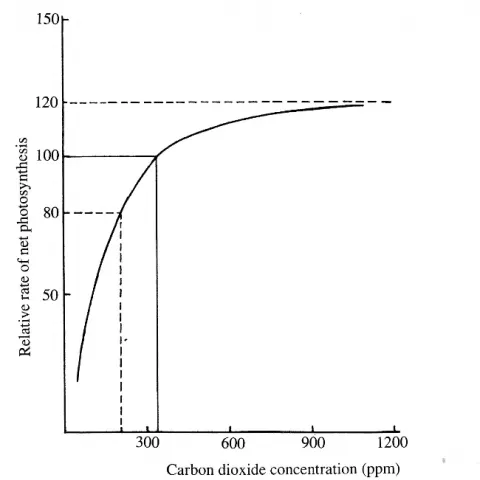
We measured greenhouse carbon dioxide (CO2) concentrations within the leaf canopy of roses grown for cut flowers over several years. Often, during the day we found the CO2 concentration was depleted to levels as low as 225 ppm, even though vents were opened.
Carbon dioxide (CO2) in our atmosphere is dramatically on the rise, and I have experienced it first hand. An article really struck me that I found in the recently published edition of California Agriculture, "Possible Impacts of Rising CO2 on Crop Water Use Efficiency and Food Security" .
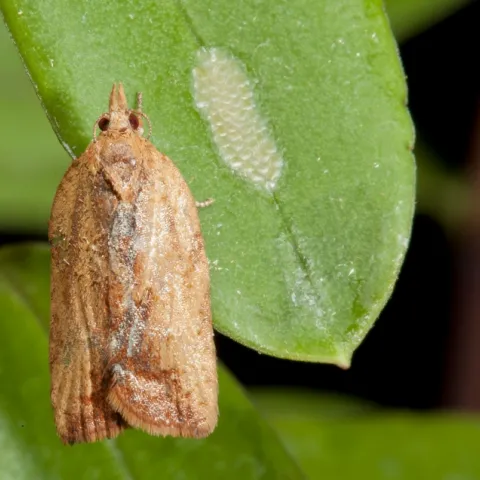
The Light Brown Apple Moth (LBAM) is an important invasive pest for California, and is established in much of California's coastal and some inland areas where nursery products are produced. It is a federally and state regulated pest in many ornamental and fruit crops.