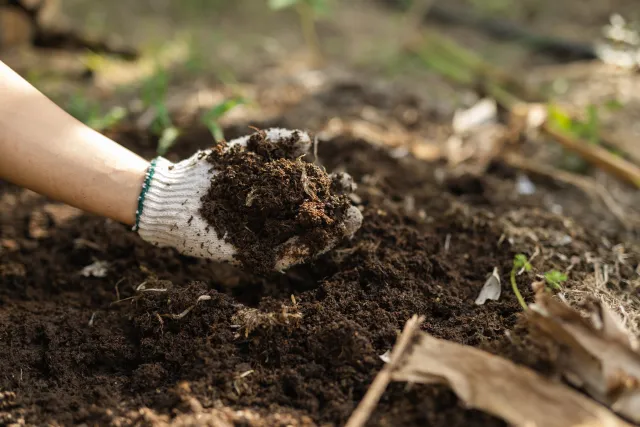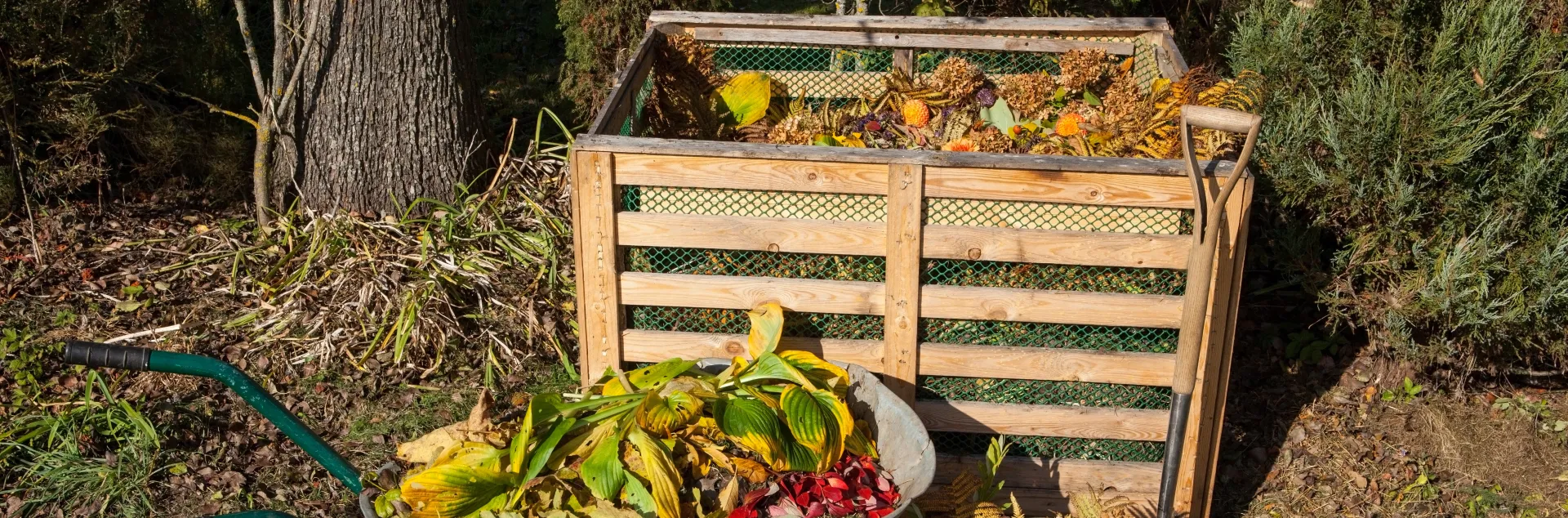
Composting can be one of the most fulfilling processes to experience in the home garden. When everything goes smoothly in a compost pile, the transition from raw organic materials to black gold motivates home gardeners to continue to recycle and reap the rewards of nature’s decomposition cycle. Of course, when things do not go as planned, many times home gardeners give up on composting or lose interest in the process. Since home composting has been going on for so long, there are well-understood best practices to put into place to avoid the pitfalls that may plague successful composting.
Fix the Mix
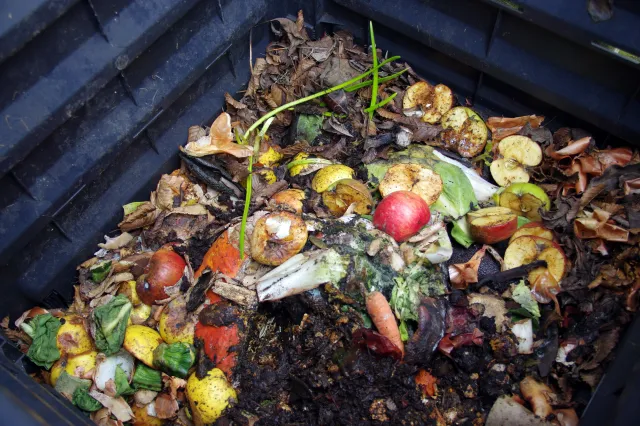
In the composting world, organic materials generally fall into 2 camps: Greens and Browns. This can be confusing to those new to composting because it implies that the color of the materials is important; however, seasoned composters know that color really has nothing to do with it. For example, spent coffee grounds and fresh animal manures are good examples of Greens that are colored brown. One of the pitfalls of home composting is adding too many green materials, leading to dense and saturated piles that begin to stink and attract flies. The mantra when mixing organic materials for a compost pile is “equal volumes of greens and browns” which can be executed easily when creating an entire pile at once (hot composting) but gets complicated when adding to a pile over time (cold composting). The rule of thumb to keep the mix balanced is to ALWAYS add greens AND browns together; that is, when a bunch of kitchen fruit and veg scraps are added to a pile, be sure to add browns (shredded paper, straw, dry leaves) to the mix at that time as well to keep the pile balanced.
Moisture Matters
If an assembled compost pile completely dries out, it becomes a nice home for some sort of critter. Ants like dried out compost piles and nesting critters like rats and mice do too. On the other hand, a saturated compost pile leads to anaerobic (low oxygen) conditions, delivering foul odors, slow decomposition, and maggots. So, the goldilocks principle applies here: keep your pile as moist as a wrung-out sponge so there is obvious dampness but not saturation. Sometimes, covering a pile can keep the pile perfectly moist by shading out hot summer sun or shedding winter rain. Also, many food scraps from the kitchen contain a lot of water which should be factored in when monitoring the pile. Remember, a super wet pile can be remedied quite easily by incorporating dry brown materials that soak up moisture and create pockets where oxygen can filter in. A dried-out pile is almost impossible to fix without taking the pile apart and rewetting portions of it and reassembling.
Allies and Enemies
A compost pile is an ecology unto itself; a web of living organisms and decaying organic matter in a myriad of ways. From the favorable bacteria and fungi to sowbugs and worms, a whole palette of invisible and visible organisms is at work. BUT it’s crucial to know which are your allies and which are your enemies to learn if the pile is working with your goals or against them. If your goal is to not only recycle organic materials but also add finished compost to gardens and landscapes, it becomes important to identify what you see in the pile to avoid bringing potential pests into your planted areas. For example, earwigs, grubs, snails, and centipedes are critters best sifted out of compost that will be applied around plants. It might take some time and energy, but your plants will thank you! Get to know the organisms that live in a compost pile by visiting the UC IPM website, UC Master Gardener websites, viewing UC IPM webinars, and attending compost workshops.
Exclusion
Finally, a common problem with backyard compost piles is the large critters that like to pay a visit, like raccoons, rats, skunks, and even bears. In some cases, it makes the most sense to only use yard waste (grass clippings, dead plants, leaves) in a backyard pile and feed the kitchen scraps to worms in a separate, enclosed vermiculture system. This will help keep larger critters from visiting as you exclude food from the pile. The other exclusion strategy is to have a compost bin that is secure and enclosed so animals cannot access the contents. These types of compost bins can be built or bought but be sure to really monitor the moisture content as many of these bins have poor airflow with few vents which can lead to anaerobic (stinky) conditions.
—Kevin Marini, UC Master Gardener of Placer and Nevada Counties
[Originally featured in the Fall 2026 edition of the Home & Garden Pest Newsletter.]