
We’ve had the first rain of the season! When is our official California rainfall season? Traditionally, rainfall season (meteorological) is considered from July 1st to June 30th; the water year (hydrological) rainfall season is October 1st to September 30th. Predictions of an El Niño climate effect on our winter weather show our region in the northern band of possibly above-normal to extreme precipitation. A good time to check roofs, gutters, and install simple downspout attachments to direct water away from the foundations and plantings. Walk through the garden to check if there are low spots accumulating water; try to improve the drainage for those areas. Plants can ‘wilt’ from too much water.
This is the prime time to be planting; the soil is softened, but not too difficult to work after the rain. Nurseries are carrying a supply of perennials and winter annuals. Fellow gardeners will be dividing their crowded perennials. I must admit that I do not hesitate to ask a neighbor or friend for a division if they have a particular plant I would like to try. Recently I divided an orange clivia and traded a section for a friend’s yellow variety.
Water
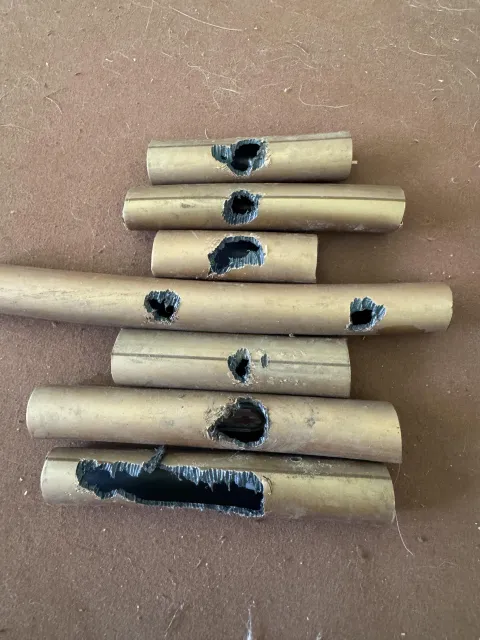
Irrigation is never a one-and-done solution; regular monitoring for whatever system, drip or sprinkler, you have installed is important. Watch for rat damage on drip lines. A recent task was to repair fifteen chewed holes in the drip line where rats had searched for water in the last burst of summer heat. Drip line leaks can be quite small, hard to notice, or more extensive and easy to see. Now is a good time to adjust your automatic watering systems to a winter schedule with less frequent watering, or switch to manual operation as temperatures cool and (hopefully) winter storms deliver. Dormant plants still need damp soil; if we enter an extended dry period, they may need a deep soak.
Winter Preparations
Clean unused pots with a solution of bleach, one part bleach to nine parts of water. Turn pots and trays upside down so that water does not accumulate.
Winter is a good time to assess tools; do they need replacing, sharpening, cleaning, or adjusting? One consideration as we gardeners age is when to invest in ergonomically friendly garden tools so that we can continue the pleasure of gardening while preserving physical strength. Adjusting to an hour or two in the garden, breaking tasks into smaller parts with built-in rests, will help maintain all the wonderful work invested in a garden without it becoming overwhelming.
Check the placement of garden pots: are they sheltered, not receiving rainfall; are they exposed and unable to drain well in a drenching rain; do they need to be moved for frost protection?
Ornamentals and Annuals
There are many delightful winter annuals in varying colors that can be seeded; some we often see in nurseries, others it is worth finding seed to grow and add to the palette of spring color. Common winter annuals – pansies, violas, snapdragons, calendula, stock flower, and cyclamen.
Easy to seed annuals – love-in-a-mist, larkspur, foxgloves, alyssum, and borage. Nasturtiums can be seeded and do well in containers; trailing varieties are available for hanging baskets. Sweet peas will provide a show if given a trellis to climb; there are many colors and scents. Many of these annuals will reseed for the coming years.
Hollyhocks are biennial, producing root and foliage in their first year with flowers on tall spikes in the second year and are worth the wait.
California annuals – California poppies can be seeded in a bare patch of the garden. Sprinkle the seed and rake very lightly; keep moist through dry periods. Tidy tips, baby-blue-eyes, tarweed (Madia elegans), and clarkia can be seeded into pots then transplanted.

Many perennials, native and non-native, are available at this time of year. Planted now, they will spend the winter developing healthy root systems before the heat of next summer.
The UC Master Gardener-Yolo County website’s Free Publications page has useful lists of shade plants, water-efficient plants, Yolo County Natives, and others that will thrive in our region.
Diseases, Pests, and Beneficials
Keep an eye out and remove any diseased plants. Before you place them in your compost, check with UC IPM to identify the disease. Home compost temperatures will not be hot enough to kill some disease fungal spores or bacteria.
Bulbs
November and December are prime bulb planting months for those bulbs with which we are familiar, such as daffodils and narcissus. Different types of bulbs, corms, and rhizomes can be planted year-round and as they emerge and bloom, they will add to the seasonal beauty of your garden.
Selections of bulbs can be found locally or ordered online and shipped at the appropriate time for planting in our area.
Fruits
Schedule time to dormant oil spray (Neem oil) your fruit trees. Many bacterial and fungal diseases and pests will be controlled by a program of dormant spraying, usually two to three times over the winter months once the trees are bare. Watch the weather and spray when the following twenty-four to forty-eight hours will be rain-free. Wait for leaf fall before pruning fruit trees. Dormant fruit tree pruning encourages growth in the spring from buds just below pruning cuts. See the - UC Master Gardeners of Marin County’s webpage on Pruning Fruit Trees for more information. Do not prune cherry or apricot in the winter; they are susceptible to a moisture-borne fungal disease, Eutypa.
Trees
If you are considering adding trees to the landscape, there are resources that can help guide your choices towards a ‘right tree, right place’ decision. Characteristics of a tree and where it is positioned in the landscape can make the difference between enjoying its addition to the garden or eventually finding it a nuisance. Another important aspect of the choice is whether it is ‘climate-ready’ for our region.
The City of Davis and the UC Davis Arboretum & Public Garden worked with CAL FIRE, Tree Davis, UC Agriculture and Natural Resources, USDA Forest Service, Redwood Barn Nursery, as well as several local tree experts to provide a list of Climate Ready Trees for our area.
Check with your local government agency to see if they have an approved tree list for your area. By referring to a city-recommended tree list, a gardener can choose from a selection of trees that will provide interest all year round, from spring flower to fall color and it will aid in the selection of a tree of the height, canopy width, and characteristics to suit our climate, the site and the aesthetic of the garden to give years of pleasure.
Soil Improvement
‘Green manure’ can still be seeded in any garden bare spots. Vetch and red clover, with their attractive flowers, can be planted separately or mixed. They will replenish nitrogen in the soil through the winter and help prevent erosion. See Beginner-friendly Winter Cover Crops: Top 5 Choices for Small Gardens
Lawns
Lawn removal projects can still be undertaken in November. For methods and instructions, see UC Master Gardeners of Sacramento County’s article Beyond Lawn – Lawn Removal Methods.
Click November Vegetable Planting Guide for a list of Yolo County and Sacramento area vegetables recommended for planting during the month of November, along with how and when to plant them.