
Introduction
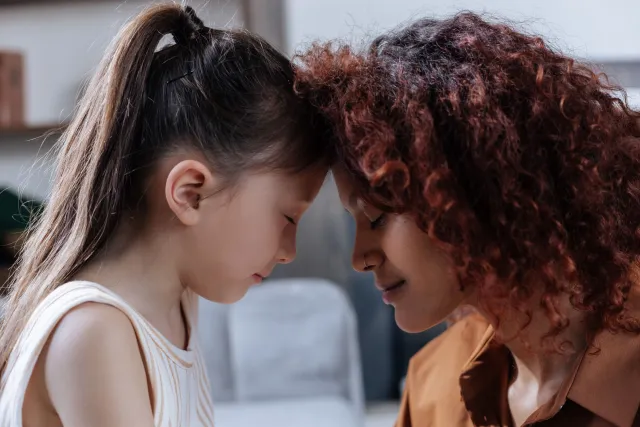
We all want to feel loved. To belong. To matter. To live without fear. We want to have meaningful relationships. We want to know others. We want to be known. These describe the human experience. They describe what it can mean to live a whole life.
But as we know, life can sometimes get messy. Mistakes can happen. People can hurt. We can hurt. We may strive for perfection, but find ourselves one step short. We may have good intentions but find that others may not. And in our quest for whole living, we sometimes find ourselves looking and wondering why life can sometimes feel very tough. Excruciatingly tough. Traumatizingly tough.
Trauma impacts many and its effects can be long-lasting. Some have experienced post-trammatic stress disorder (PTSD) while others suffer from traumatic brain injury (TBI) or other forms of trauma, such as child abuse and neglect. According to the Child Welfare League of America, in 2022, California had over 380,000 total referrals for child abuse and neglect. Over half of these referrals were screened for response by Child Protective Services. Latino children were most impacted (57%) followed by White (19%) and African American (13%). Type of child maltreatment included physical (6%), psychological (7%), sexual (6%), and neglect (80%). For those interested in learning more about adverse childhood experiences (ACEs), check out a 4-part blog series here.
The effects of trauma can span generations. Adults who were victimized as youth carry painful and traumatic memories with them. Researcher, award-winning author, professor, and TedEx speaker Brene Brown writes, "The greatest casualty of trauma—the thing that trauma often takes away from us—is the emotional, and sometimes even physical, safety that is necessary for us to be vulnerable." So when we encourage people to open up and be vulnerable with each other, we must consider that people have different lived experiences, some of which include trauma.
Recently, I enjoyed finishing Brown’s book The Gifts of Imperfection and believe it has relevance to those of us who work with youth, such as 4-H volunteers. The following includes some main points from the book I found helpful to me and I trust will be helpful to you. By practicing these, we can support mental and emotional well-being through wholehearted living.
To Love Youth, We Must First Love Ourselves
This first point seems obvious. We first experience love and then we can love others. But how many of us find it easier to love others rather than receive love? Or worse, to love ourselves? Many of us are hard on ourselves. We strive for perfection. We are critical of our shortcomings. We ruminate on areas we have failed. Before long, we can collapse into shame.
Brown has researched shame for decades and has uncovered some nuggets of wisdom for us to consider. She writes, "How much we know and understand ourselves is critically important, but there is something that is even more essential to living a wholehearted life: loving ourselves." She goes on to say, "Knowledge is important, but only if we’re being kind and gentle with ourselves as we work to discover who we are. Wholeheartedness is as much about embracing our tenderness and vulnerability as it is about developing knowledge and claiming power."
For those of us who work with youth, practicing gentleness with ourselves is vital. As we embrace tenderness and compassion with ourselves, we allow ourselves to be vulnerable with others and model love and acceptance. To love youth wholeheartedly, we must first learn to love ourselves. Below are three Cs that guide us to wholehearted living.
The First C: Courage
To live wholeheartedly, Brown explains that we let go of who we think we should be and instead courageously embrace who we really are. Authenticity includes:
- Cultivating the courage to be imperfect
- Exercising compassion with ourselves and others
- Nurturing connection through recognizing "we are enough"
In addition to authenticity, we have an opportunity to have the courage to let go of perfectionism. Brown explains that perfectionism is not the same thing as "being your best" or "self-improvement." Instead, Brown describes perfectionism as "If I look perfect, live perfect, work perfect, and do everything perfectly, I can avoid or minimize the painful feelings of shame, judgment, and blame." To overcome perfectionism, we may consider acknowledging our vulnerabilities, develop shame-resilience, and practice self-compassion. In doing so, we model for young people courageous healthy habits.
The Second C: Compassion
Wholehearted living allows us to release perfection and embrace ourselves as we are (right now at this moment). One way to embrace our true self is through practicing self-compassion. According to researcher and professor Dr. Kristin Neff, self-compassion has three elements: 1) self-kindness, 2) common humanity, and 3) mindfulness. In a previous blog post, I show how mindfulness is connected to wellness.
Brown provides some descriptions of self-kindness, common humanity, and mindfulness:
- Self-kindness: Being warmth and understanding to ourselves (as opposed to being self-critical)
- Common humanity: Embracing that suffering and feeling inadequate are part of the shared human experience (we all go through it)
- Mindfulness: Balancing feelings so that they are neither suppressed nor exaggerated
The Third C: Connection
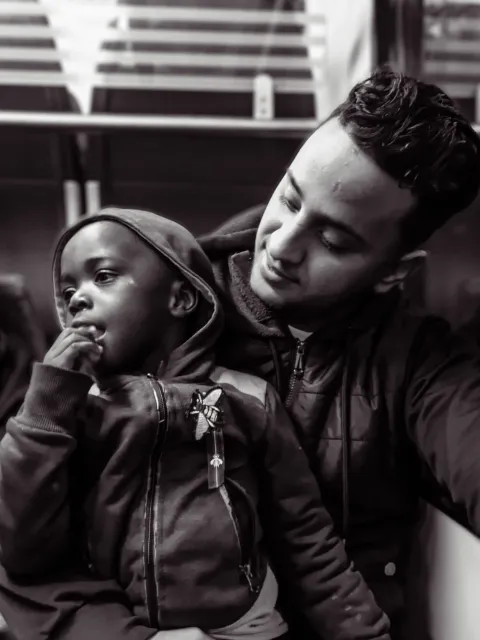
Another way to live wholeheartedly is through connection. Through connection with others, we can find resiliency (ability to overcome adversity) when times get tough. Brown’s research found five common factors of resilient people:
- They are resourceful and good problem solvers
- They seek help
- They believe they can do something to manage feelings and cope
- They have social support
- They connect with others, such as family and friends
Researcher Dr. Mary Arnold illustrates in her Model of Youth Development that one indicator of youth thriving is their transcendent awareness, which is their ability to see how they are connected to a bigger community, such as 4-H or a faith community. Living wholeheartedly means that we choose to live authentically with others in community. To be seen for who we really are and to embrace others for who they really are. In a word, to connect.
Gratitude
Brown writes that gratitude is a practice for those living wholeheartedly. Her research participants kept gratitude journals, did gratitude meditations or prayers, created gratitude art, and would practice saying "I am grateful for…" In a previous blog post, I describe different types of gratitude and ways to practice it. For those of us who work with youth, here are some questions we can reflect upon:
- What or who am I grateful for right now? Why?
- In what ways do I show gratitude to the youth in my life?
- What is one thing about yourself that you are grateful for? (Remember that self-compassion thing?)
Conclusion
As we wrap up, I have a few thoughts for us to think about as we choose wholehearted living. First, what is one thing we can do to love ourselves today? A walk in the park, a conversation with a loved one, a nap. As we love ourselves, we fill our cups so that we can pour love into others. Second, what is one way we can courageously let go of being perfect? Share one of our mistakes with a young person, telling ourselves, "I am enough," or releasing shame. Third, what is one way to practice self-compassion? Warm self-thoughts, forgiving ourselves, identify one feeling we have right now. Last, what is one way we can connect with others? Ask for help, let someone know why you’re grateful for them, find one thing you’re grateful for about yourself. In doing so, we can practice wholehearted living and give the gifts of imperfection to the next generation.
References
Arnold, M. E. (2018). From Context to Outcomes: A Thriving Model for 4-H Youth Development Programs. Journal of Human Sciences and Extension, 6(1), 141-160. View article summary here https://doi.org/10.54718/NBNL5438
Brown, B. (2020). The gifts of imperfection. 10th Anniversary Edition. Random House: New York.
Pictures from:
https://www.pexels.com/photo/mother-and-daughter-touching-with-heads-9885406/
https://www.pexels.com/photo/candid-moment-of-brotherly-bonding-in-algiers-30220480/