
The Issue: Youth incarceration negatively impacts wellbeing
Last year in California, almost 4,000 youth were incarcerated. Youth criminality is often associated with trauma from abuse, neglect, poverty and racism. But instead of treating trauma, incarceration produces more: youth are separated from important adult and peer relationships and are forced into bleak settings devoid of enriching opportunities. Simply put, incarcerated youth lack access to what they need to develop and thrive.
Additionally, the food in juvenile halls is not good. Youth are often served reheated meals with little fresh food. They have no food sovereignty or access to culturally relevant foods. This poor-quality food and lack of food sovereignty detract further from their wellbeing.
How UC Delivers
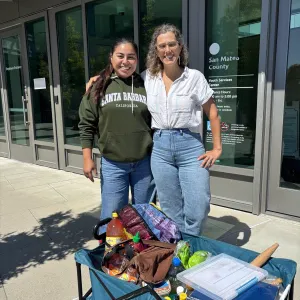
San Mateo County’s 4-H advisor Dr. Sally Neas worked with the county’s juvenile hall to create a cooking program. The program started with a pilot in summer 2023; former community educator Angelina Gutierrez and Sally Neas went into juvenile hall weekly to cook with a small group of youth. Each class featured a new recipe highlighting fresh, seasonal ingredients and was built around participants' interests.
The pilot was popular among youth and staff in the facility, and 4-H was invited to expand the program. In February 2024, we began a paid contract, wherein former community educator Tonya Xie led weekly cooking classes. The program also included partnerships with CalFresh Healthy Living, UC, which supported early implementation and led a Harvest of the Month program, and UC Master Food Preservers, who taught monthly food preservation workshops.
The Impact
Through quarterly surveys and informal interviews with long-time participants (eight months to two years), youth reported the following outcomes:
Increased knowledge of cooking techniques and exposure to new foods: All participants reported increased knowledge of cooking techniques, and about 87% reported exposure to new foods. One youth explained, “I’ve learned so much, like about cross contamination, and how to prevent it. Nutrition. Food safety.” Another said, “I’ve learned new techniques, like how best to cut certain things, and how to look up new recipes and try new dishes.”
Interest in cooking in the future: All youth surveyed reported interest in cooking for themselves and others in the future. One participant told me, “The thing that will stick is the cooking part. Now I know how to follow recipes. I want to cook for my family, my homies when I get out.” Another said, “When I am on the outside, I will use this in general as a life skill, something to save money, and a way to be creative.”
For at least one youth, this interest in cooking has become motivation to end the cycle of incarceration. He told me, “This program makes me motivated to do better in life. When I cook, I am like, ‘if I wasn’t locked up, I would be able to cook for myself all the time.’ So it makes me want to do better so I can get out and cook for myself.”
This increased interest, knowledge and exposure to food and cooking can have long-term impacts. People who cook at home are likely to have better long-term health, and emerging research suggests that nutrition improves mental health. Put together, this program supports improved mental and physical well-being, community health and wellness, and food safety.
Increased interest in cooking careers: Eighty-seven percent of youth surveyed reported increased awareness of, and/or interest in, future careers in cooking. For at least one participant who has been released from detention, this is becoming a reality: he is currently in college pursuing a business degree with the goal of opening his own food truck, a career path sparked by our cooking classes and now within reach because of what he has learned.
Connection to skills and career training is an evidence-based strategy for reducing recidivism among youth and aligns with UCANR’s Public Value around workforce development.
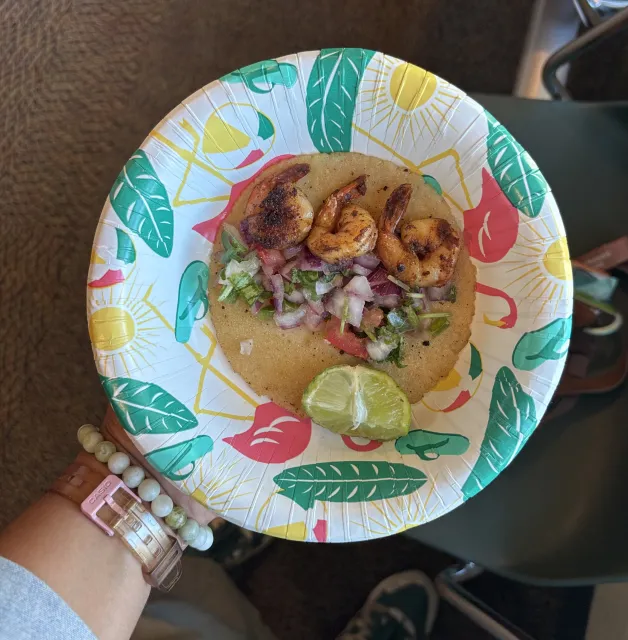
Improved access to fresh and culturally relevant foods: Participants have expressed tremendous value in the food sovereignty afforded by the program. The food they receive is poor quality, prepared at a central facility and sent over on pre-prepared trays. Many relished having choice and access to fresh food. As one participant said, “Through this program, we get to experience something new that is so rich and nutritious.”
In addition to improved nutrition and taste, the program has become a way for youth to sustain cultural and familial connections. When making pupusas, one Salvadoran youth shared, “This tastes like home. It’s bringing me flashbacks to my home in El Salvador.” He explained further: “My mom used to cook for me a lot. Her cooking tastes like home. When she made up a plate for me, it felt like her. When I cook, I get the same feeling.” For these youth, the program provides a direct connection to nutritious, culturally relevant food and their only opportunity for food sovereignty while in detention.
Adding new classes and a garden
We are excited to share that we are expanding our programming in the facility: in July, we added a breakfast program, where 4-H educator Jazmin Vargas goes twice a week to cook breakfast with the youth. On October 9th, 4-H educator Jessie Ostrove will start a garden program in the facility, with the intention of growing food for our cooking programs. This will amplify our opportunity to provide meaningful programming and fresh, healthy food to incarcerated youth.