
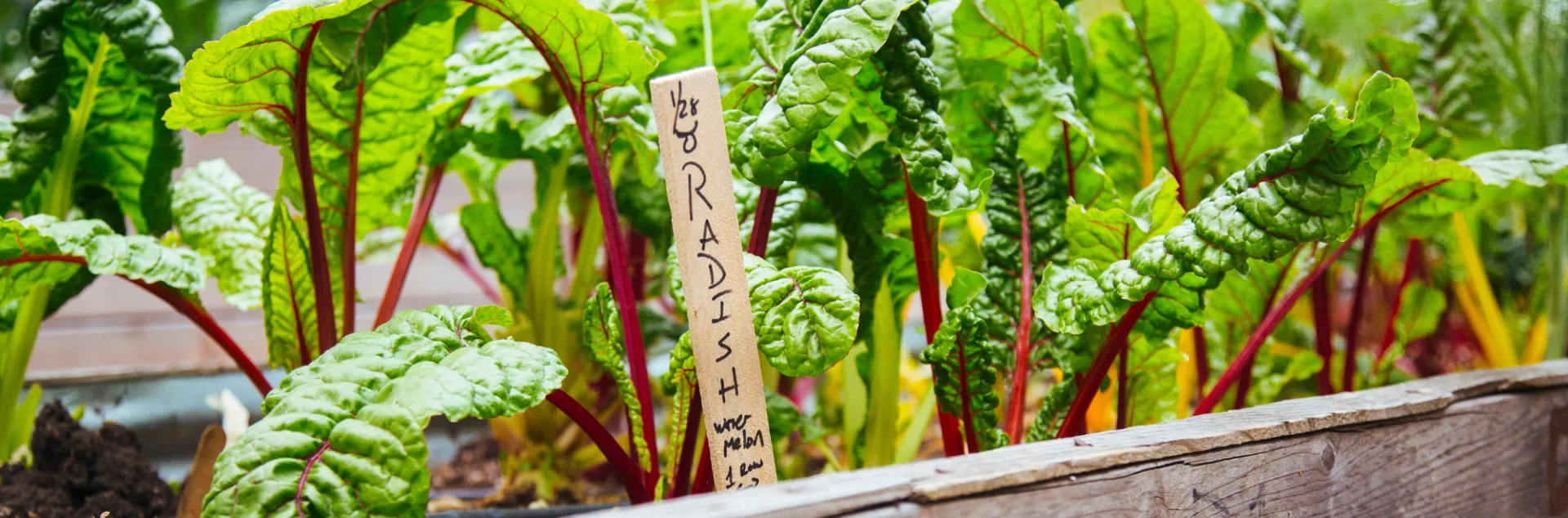
A garden can do a lot more than grow food. It can help someone heal, learn a new skill, or find a sense of purpose. That spirit is at the heart of Jardineros, an innovative outreach project led by the UC Master Gardener Program of Contra Costa County.
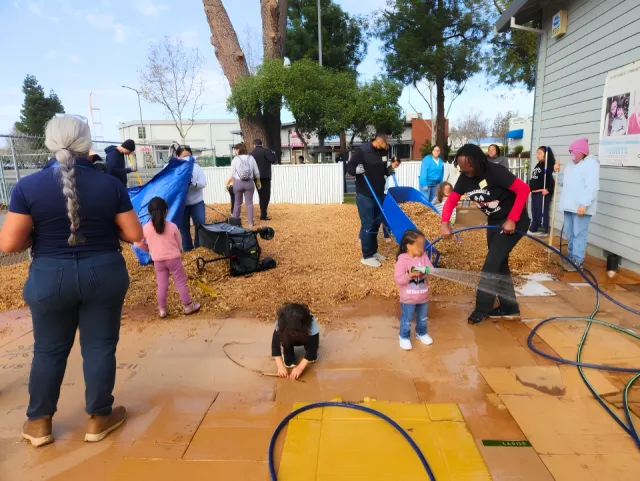
Jardineros launched in 2020, when UC Master Gardener volunteers in Contra Costa County started offering free online gardening classes in Spanish. What began as a pandemic response has grown into a full community program. Through bilingual classes, hands-on workshops, school and community garden projects, and local partnerships, the project connects Spanish-speaking residents with practical gardening education — and builds community in the process.
How Jardineros began
The project first emerged during the COVID-19 pandemic when UC Master Gardener volunteers began offering online gardening classes in Spanish. Using curriculum adapted from the successful Growing Gardeners workshops, volunteers provided practical gardening education at a time when many people were spending more time at home and looking for meaningful ways to stay connected and productive.
Taking the program into the community
When communities reopened, Jardineros moved beyond the screen. Volunteers knew that hands-on learning mattered just as much as online classes. They began partnering with local organizations to bring gardening education directly into neighborhoods where people already gathered for services, support, and community activities.
Today, Jardineros collaborates with organizations such as Pueblos del Sol, Monument First Five, Monument Crisis Center, Planting Justice, Urban Tilth, and the UC ANR Expanded Food and Nutrition Education Program (EFNEP).
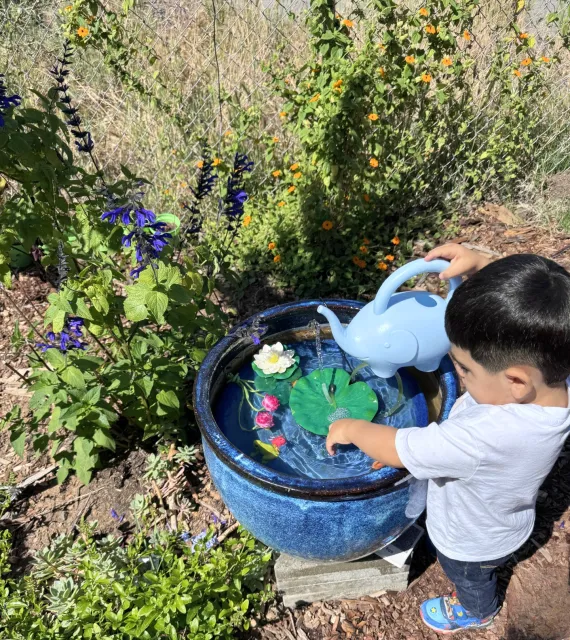
Jardineros does not use a one-size-fits-all model. Each partner organization helps shape what the program looks like in their community. Topics include soil health, organic gardening, food production, pest management, water conservation, and how to propagate plants (grow new plants from cuttings or seeds). All materials are offered in both English and Spanish, and community translation supports education in other languages as well.
The project puts learning by doing front and center. Working with schools and community groups, Jardineros helped create six new gardens on sites that had never had one. Participants learn practical skills such as sheet mulching, building raised beds, planting seasonal crops, and maintaining healthy garden spaces. These gardens have become much more than places to grow food.
Gardening as healing and recovery
At Pueblos del Sol, a recovery-focused community organization, the garden is both a classroom and a place to heal. Participants learn how to garden as part of their recovery — and find purpose, connection, and calm in the process. Project leaders report that some participants have gone on to establish gardens at home, create gardens at sober living residences, and even start gardening-related businesses that provide income and stability.
At Monument First Five, a community garden developed with support from Jardineros now serves more than 200 families. The garden provides fresh fruits and vegetables while creating opportunities for recreation, family engagement and stress reduction. Parents and children learn together in the garden, while staff members use the space as part of the organization’s educational programming and therapeutic activities.
“Leading the Jardineros Project along with Laura Brainin-Rodriguez, a fellow UC Master Gardener, has been one of the most meaningful and rewarding experiences of my life,” May Coleman said. “The relationships I have built with volunteers, community partners, and participants have enriched my experience as a Master Gardener and continually remind me of the power of service and community engagement. The stories of resilience, determination, and success that I have witnessed through Jardineros continue to motivate me and reaffirm my belief that gardening education has the power to change lives and create a lasting positive impact for generations to come.”
Volunteer impact and growing momentum
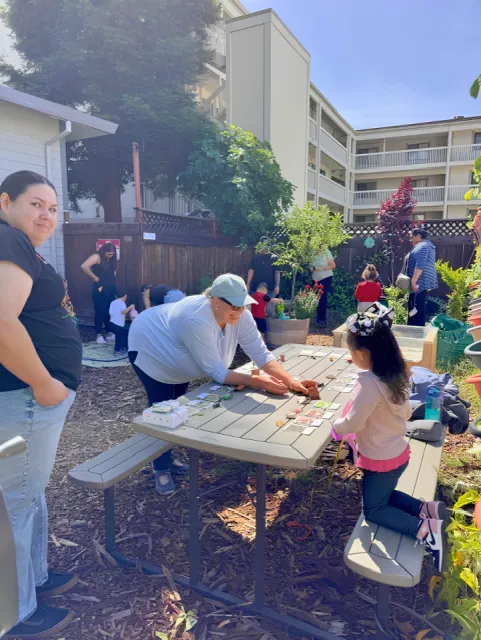
Behind it all are UC Master Gardener volunteers. Since the project launched, they have logged more than 5,700 hours — planning events, teaching classes, translating materials, designing gardens, and supporting community partners. They have written bilingual curriculum, created Spanish-language gardening glossaries, and offered technical guidance on topics from irrigation to pest control. Volunteers have also helped partner organizations find funding to build and maintain their gardens.
The impact of these efforts continues to grow. More than 500 participants have earned “Growing Gardeners” certifications through programs offered at Pueblos del Sol and other community sites. Hundreds more have participated in workshops and educational events throughout the county.
Miguel Rios, Jardinero and head gardener for participating drug rehabilitation clinics, shared, “Receiving my Growing Gardeners certification was a significant accomplishment that made me feel empowered and proud during a difficult time in my life. Watching a gravel parking lot transform from a barren, hot space into a thriving garden filled with flowers, vegetables, native plants, fruit trees, and wildlife inspired me to make positive changes in my own life. I have since started two gardens for other residents, and we use them as part of our healing and therapeutic process.”
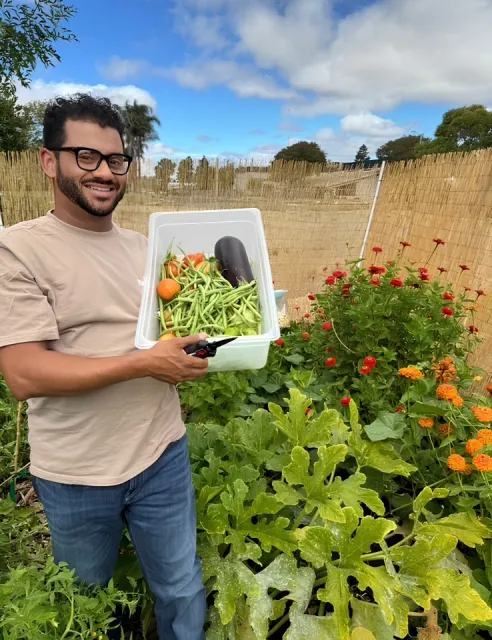
Another result: a more diverse volunteer base. As relationships have deepened within the community, more individuals from varied cultural backgrounds have become interested in joining the UC Master Gardener Program and sharing their own experiences, knowledge, and perspectives.
The success of Jardineros demonstrates what can happen when gardening education is rooted in community partnerships, cultural inclusion, and accessibility. By meeting people where they are and working alongside trusted local organizations, the project has created a model that other communities can adapt and replicate.
Whether growing vegetables, cultivating new skills, supporting recovery, or creating spaces for families to connect, Jardineros shows that gardens can be powerful tools for transformation. With every seed planted and every partnership strengthened, the project is helping build healthier communities — one garden at a time.
AI tools were used in the preparation of this article to assist with organizing content and reviewing grammar, clarity and sentence structure in alignment with UC guidelines. All content was reviewed, verified, and approved by the author prior to publication.