Archive Nut, Prune and Olive Programs

Newsletters


 Newsletter Articles:

May 2025Archived


Field picture submitted by Elizabeth Fichtner

 Links


Publications

Primary Image
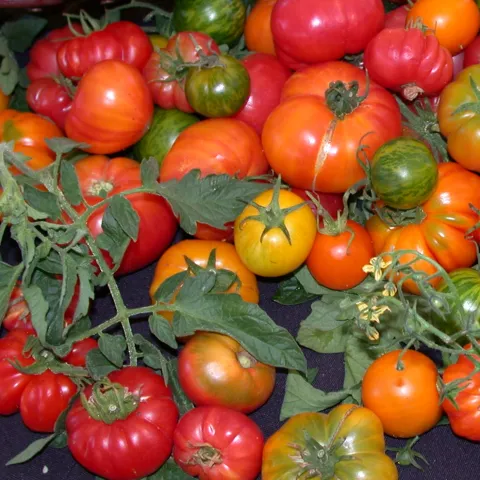
A pile of tomatoes in a variety of colors and sizes
UC Master Gardeners of Santa Clara County: Page

Tomatoes

Transplant in May to June, possibly April depending on weather and local conditions. For best results, wait until daytime temperatures are regularly over 70°F. If growing your own seedlings, start the seeds 6 weeks before you want to plant.
View Page
Primary Image
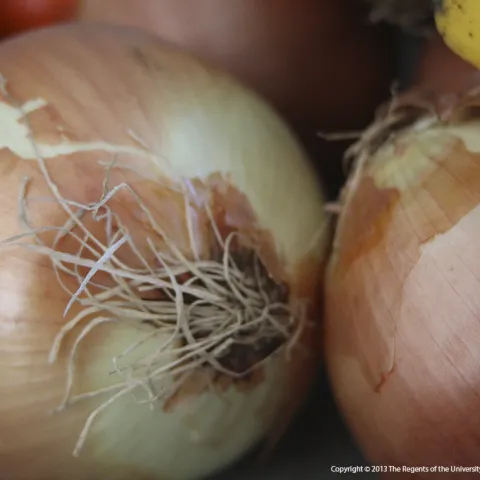
Yellow Onions (Photo: Evett Kilmartin)
UC Master Gardeners of Santa Clara County: Page

Onion Handout

Biennial monocot with prominent bulb, hollow cylindrical leaves, and an odor when bruised. Roots shallow, 12 to 18 inches. Has been used for food since very early times; it was eaten in Egypt before 3000 B.C. Also used as flavoring in nearly every current world culture. Botanically, there are three groups…
View Page
Primary Image
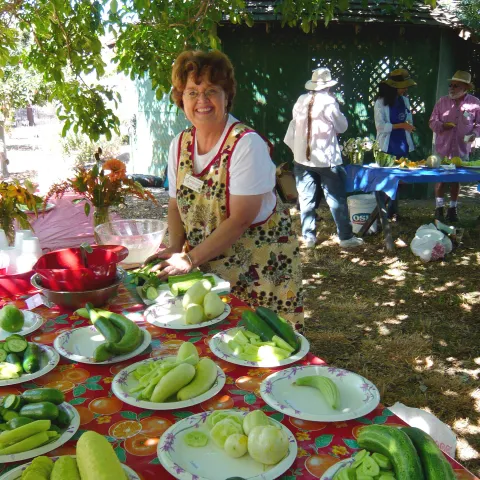
Cucumber tasting at Nine Palms Ranch (Photo: Barbara Williams-Sheng)
UC Master Gardeners of Santa Clara County: Page

Nine Palms Cucumber Trial, 2008

Fourteen varieties of cucumbers were compared for flavor and production. Stallion White and Japanese Climbing ranked top in flavor. Marketmore 76 was top in production.
View Page
Primary Image
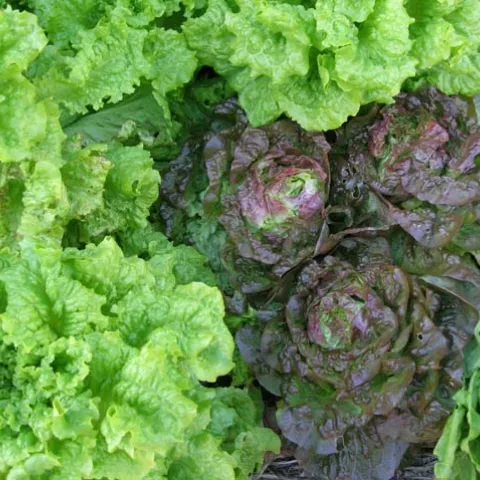
Lettuces Black Seeded Simpson and Carmona, by Karen Schaffer
UC Master Gardeners of Santa Clara County: Page

Growing Lettuce Year Round

Lettuce is generally considered a cool weather plant, grown in early spring or fall, although it can be grown in the warm season in most of the SF Bay Area by choosing varieties adapted to warmer weather. Check seed catalogs for summer lettuces.
View Page
Primary Image
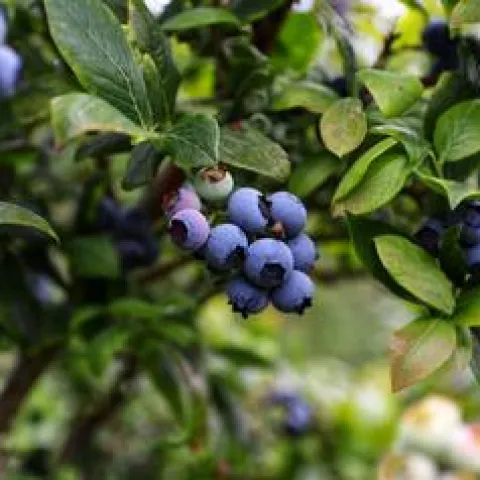
Growing Blueberries in SCC 2024
UC Master Gardeners of Santa Clara County: Page

Blueberries

When/how to plant: Late fall through winter, using 2 to 3 year old plants. Blueberries require acidic soil; a soil test will help determine how much to acidify your soil. Be sure the soil has a pH between 4.5 and 6.5. If it’s a clay soil, use organic matter to amend the soil, preferably peat moss. Oregon…
View Page
Primary Image
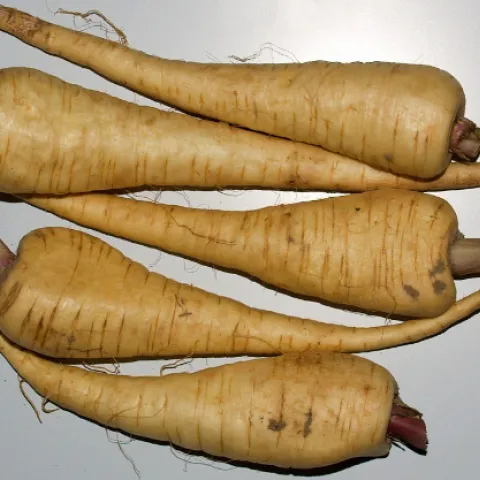
Five parsnips
UC Master Gardeners of Santa Clara County: Page

Parsnip

Parsnips are a root vegetable in the Apiaceae family, also called Umbelliferae, which also includes carrots. Cultural requirements are very similar.
View Page
Primary Image
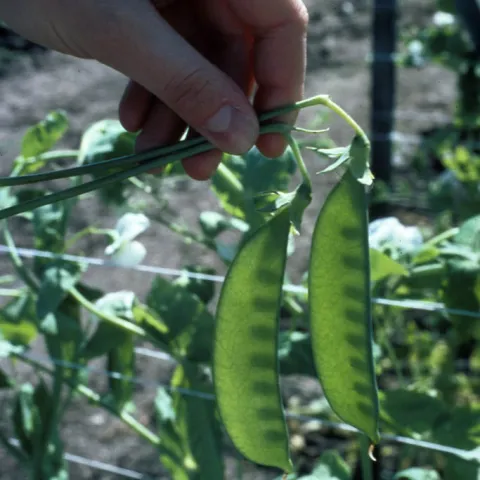
Snow pea pods
UC Master Gardeners of Santa Clara County: Page

Peas

Peas are a cool season vegetable in Santa Clara County. There are three types of fresh peas: Shelling peas, where the tough pod is removed before eating. Snow peas, which have edible pods and are harvested flat, while the peas inside are small and immature. Sugar snap peas, which have edible pods and are…
View Page
Primary Image
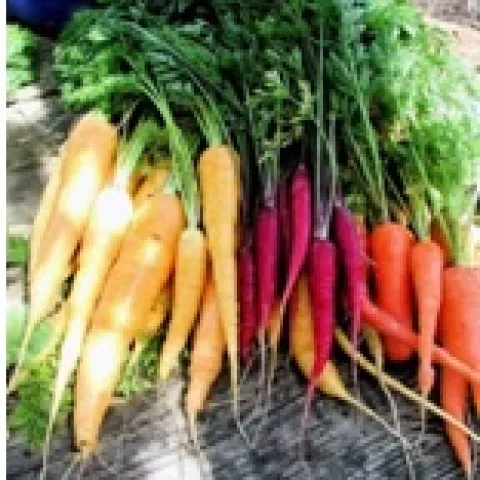
carrots
UC Master Gardeners of Santa Clara County: Page

Carrots in the Home Garden — 2004

The carrot study consisted of growing 14 varieties of carrots in three different soil textures and compositions. There were several objectives for the study: Determine the best germination method for planting seeds.
View Page
Primary Image
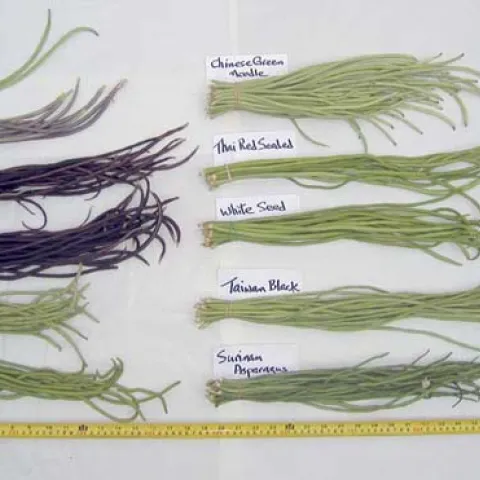
All 11 varieties that produced, on 9/7/07
UC Master Gardeners of Santa Clara County: Page

Long Bean Trial — 2007

We compared 12 varieties of long beans, Vigna unguiculata, to determine which ones have the best production and the best flavor for growing here in Santa Clara County. Chinese Green Noodle was the most productive variety by far and was the favorite in the first tasting for its very tender, mild pods. Chinese…
View Page
Primary Image
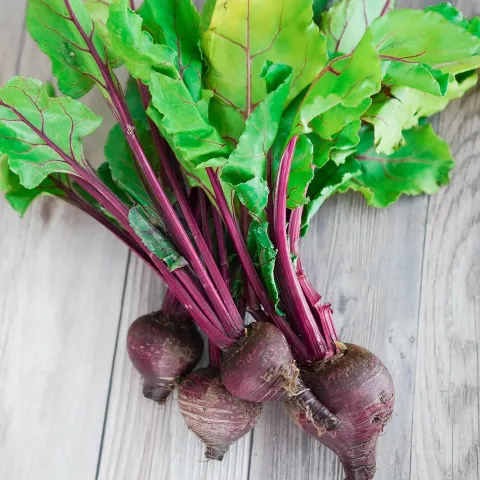
Round purple-red roots, red stems, green leaves
UC Master Gardeners of Santa Clara County: Page

Beets

Beets are a root crop with edible leaves. They grow well in the cool season, so are best planted in the fall or spring. Direct seed 4 to 6 inches apart in March to April or August to September; possibly in February, May, and October depending on weather and local conditions. Transplant 4 to 6 inches apart in…
View Page