Archive Nut, Prune and Olive Programs

Newsletters


 Newsletter Articles:

May 2025Archived


Field picture submitted by Elizabeth Fichtner

 Links


Publications

Kern County: Article

Kern UCCE/DWR Weekly Crop Water Use Report 08-26-2024

August 26, 2024
Please see below link to access "How To Use Weekly Crop Water Use (ET) Reports to Assist Farm Water Management" How to Use Weekly Crop Water Use Report Please see below link to access "Weekly ET Report 08-26-2024" ET Report 08-26-2024 Please see disclaimer link below: University of California Divisi...
View Article
Primary Image
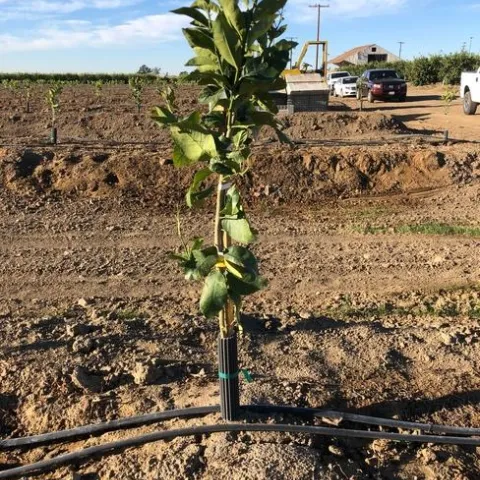
irrigation double line citrus
Topics in Subtropics: Article

Irrigation and Nutrient Training Workshop

August 26, 2024
By Ben A Faber
! Hosted by: VCAILG Date: August 29th and 30th Time: 9:00 am - 12:00 pm both days Description: Growers are invited to participate in this 6-hour training to acquire the credentials needed to develop self-certified Irrigation and Nutrient Management Plan (INMP) for their farms.
View Article
Primary Image
Equity, Diversity, & Inclusion Banner

L&D - Sustainable future, rural teen perceptions, navigating grant challenges, pronouns, access to healthy food, disaster education, opening doors

August 26, 2024
By Jodi L Azulai
UC ANR Learning & Development Landing page | Archived webinars | Learning resources Extension Methods & Delivery Building Support Equity, Diversity, Inclusion Office, Team, & Personal Management Change for a Sustainable Future! (Extension Foundation & Michigan State University) Wednesdays, 9 - 10 a.
View Article
Primary Image
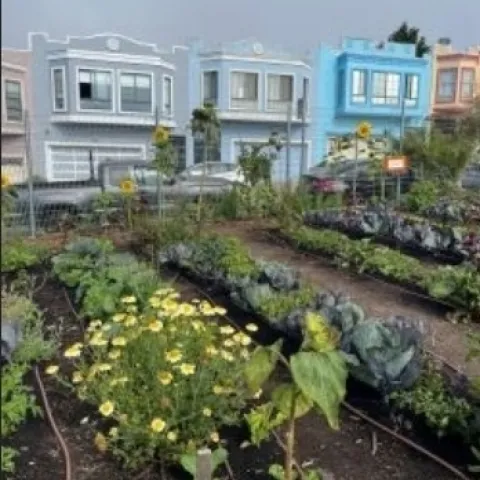
community garden
Topics in Subtropics: Article

NRCS in the City

August 26, 2024
By Ben A Faber
NRCS Resources for Urban Growers Author: Annie Edwards, Urban Conservationist Author: Catherine de la Pea, Soil Conservationis Are you an urban grower looking to improve the sustainability of your farm?
View Article
Primary Image
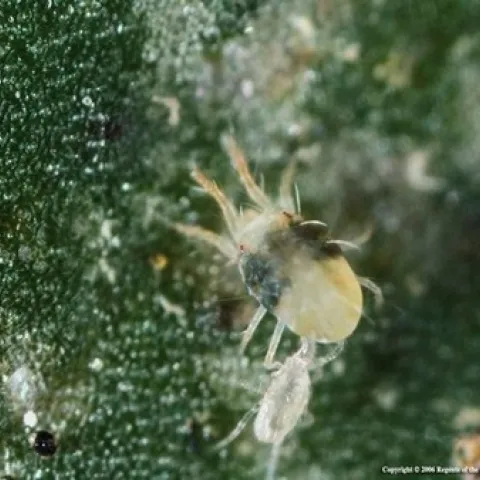
Photo of the Two-spotted spider mite
HOrT COCO-UC Master Gardener Program of Contra Costa: Article

Spider Mites

August 26, 2024
By Help Desk Team
Spider mites are very common pests found on many of our landscape and vegetable garden plants. They are tiny and difficult to see but once you learn about them, you might start seeing evidence of infestation on a wide variety of plants.
View Article

September 2024: Tackling the Weeds
Primary Image
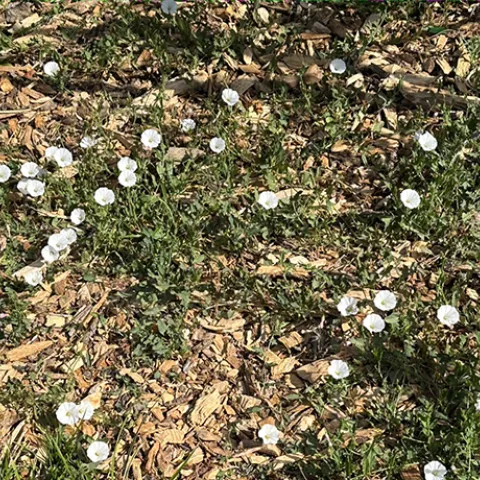
Field bindweed is a perennial garden weed also known as wild morning glory
Body

Weeds 1
No matter what season, there is always weeding to be done in the Edible Demo Garden. Weeds seem to pop up everywhere – in and between the raised beds, in containers, and even in the straw bales. They are the uninvited guests among the cultivated organic fruits and vegetables.

What is a Weed?

The definition of a weed is tricky – more a value judgement rather than a plant category. Weed is a label given to a plant that is undesirable where it is growing. Any type of plant can be considered a weed if it turns up as an unwanted volunteer and competes with crops and landscape plants for water and nutrients or harbors viruses that can infect other plants.

Weeds 3
Some plants such as purslane, which is considered by most to be a nasty weed, is also cultivated as an edible. Amaranth, a beautiful plant that has long been used for food by indigenous cultures, has a bad habit of showing up where it isn’t wanted. Even some popular native plants and wildflowers can get out of control and be considered “weedy”.

Although weeds are often described as invasive, the UC Integrated Pest Management Program considers invasive plants to be “a distinct group of weeds that occur in natural habitats”. They differ from common garden and agricultural weeds in that they are non-native and infest ecosystems causing damage to natural areas.

Annual vs Perennial Weeds

Annual weeds appear seasonally in summer or winter and are spread only by seeds. This makes a difference in how they can be controlled. The strategy is to get them out before they can go to seed. Common annual weeds include cheeseweed, crabgrass, purslane, and spurge.

Perennial weeds all have underground parts that enable them to spread through root systems as well as through seeds. These are the more stubborn weeds such as bermudagrass, field bindweed, dandelion, and yellow nutsedge. It takes some digging to completely remove perennial weeds.

Weed Management in the Edible Demo Garden

Weeds 2
Only non-chemical methods for weed management can be used in the organic garden. Physically suppressing and removing weeds is a never-ending task for garden volunteers. It takes repeated efforts to reduce weed populations. Sheet composting and mulch are applied to suppress weeds between the garden beds. A weed-whacker has proven to be a handy tool for getting rid of annual weeds before they produce seeds. However, hand-pulling and digging remain the best methods for eliminating the most persistent of the pesky weeds. Some volunteers even claim to experience some “Zen” moments while weeding.

Read more about controlling weeds by clicking here.

Additional information can be found on the UC IPM website by clicking here.
UC Marin Master Gardeners
Primary Image
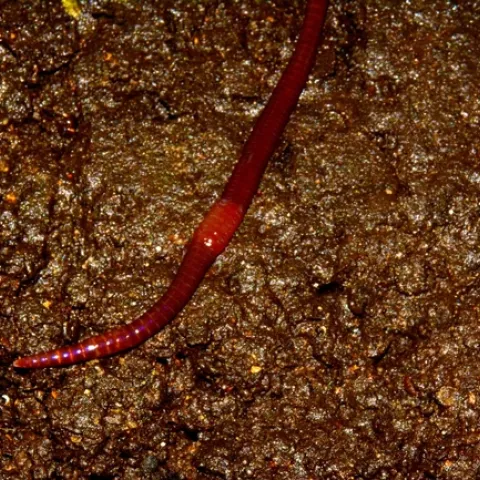
worm-5032596 1280 Pixabay

Red Wiggler Worm (Eisenia fetida

August 24, 2024
Hi, my name is Wanda/Willie Red Wiggler Worm (Eisenia fetida), and I live in a worm bin. The bin is cared for by a local garden lover who uses the end product to fertilize her plants.
View Article
Primary Image
Michael Hoffmann, 2024 Leigh seminar speaker
Bug Squad: Article

Thinking of Noted Cotton Entomologist Thomas Frances Leigh

August 23, 2024
By Kathy Keatley Garvey
This time of year we're thinking of noted cotton entomologist Thomas Frances Leigh (1923-1993) an international authority on the biology, ecology and management of arthropod pests affecting cotton production.
View Article

Takeaways from Posit::Conf 2024

August 23, 2024
By Genoa Starrs
R and Python together at last, the AI takeover, and Quarto ups its game. Posit::Conf, Posit's annual conference, was held last week in Seattle, WA. While the name might be unfamiliar, many of you might recognize Posit's previous iteration, RStudio.
View Article