A Natural Solution for California's Herds: African Catfish Peptides

California's cattle producers and agricultural communities are all too familiar with the rising challenge of antibiotic resistance, making common bacterial infections harder to treat in livestock. But imagine a future where we could tackle these infections with a natural, powerful alternative. Our research points to just that: antimicrobial peptides (AMPs) found in African catfish.

We're really excited about these peptides because African catfish thrive in pathogen-rich freshwater, naturally producing these robust immune compounds in their skin mucus as a defense. This natural origin makes them highly appealing alternatives to synthetic drugs.

Predicted Safety and Potent Action

One of the most compelling aspects of these AMPs is their predicted safety for mammals. Our initial computer analyses suggest that various catfish AMPs are generally recognized as safe (GRAS). We predict they'll be absorbed in the human intestine without causing liver, brain, or heart toxicity. Furthermore, lab tests on a promising peptide, NACAP-II, confirmed it was non-hemolytic, meaning it didn't damage rabbit red blood cells—a strong indicator of its potential safety for mammalian cells.

Beyond safety, these peptides demonstrate effectiveness against problematic bacteria. One study revealed NACAP-II's strong activity against Extended-Spectrum Beta-Lactamase (ESBL)-producing Escherichia coli—a critical concern for both animal and human health due to its resistance to many common antibiotics. Another peptide, ACAP-IV, also showed antibacterial activity against E. coli and Staphylococcus aureus. We believe these AMPs work by directly disrupting bacterial cell membranes, a mechanism that makes it harder for bacteria to develop resistance compared to how they resist traditional antibiotics.
Primary Image
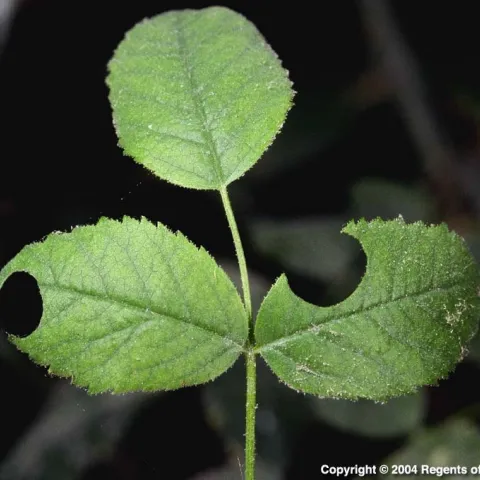
Leafcutter bee damage, circular holes along the edges of a rose leaf
UC Master Gardeners of Santa Clara County: Page

Plant Clinic Online

Have a sick plant, an ailing tree, mysterious spots on leaves? Chat with a Santa Clara County UC Master Gardener via Zoom to diagnose your plant problems. You can also listen and learn while other people ask their questions. Priority will be given to questions emailed in advance.
View Page
Primary Image
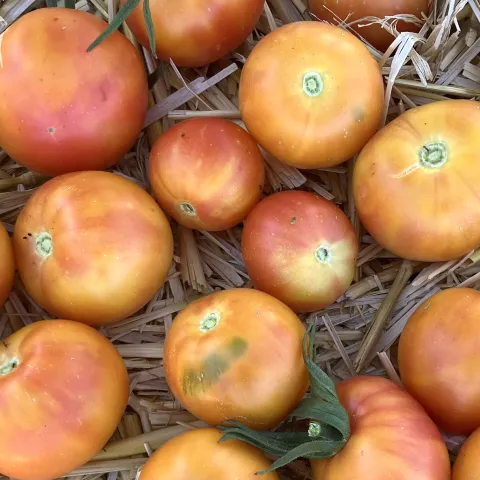
Golden-orange tomatoes with red blushing
UC Master Gardeners of Santa Clara County: Page

Public Tomato Trial

We invite you to join our public tomato trial and be a citizen scientist! Help us gather information by growing trial tomatoes in your garden and reporting the results.
View Page
Primary Image
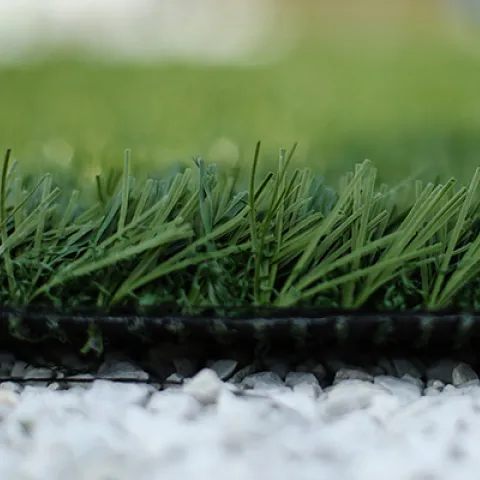
Artifical turf Missouri S&T
UC Master Gardeners of Santa Clara County: Page

Artificial Turf

In the past, artificial turf was marketed as an environmentally conscious alternative to lawns due to lower water consumption and no need for weekly maintenance. Years of installations have shown that it’s more complex than that. Here is a list of pros and cons of artificial turf that gives a more balanced…
View Page
Primary Image
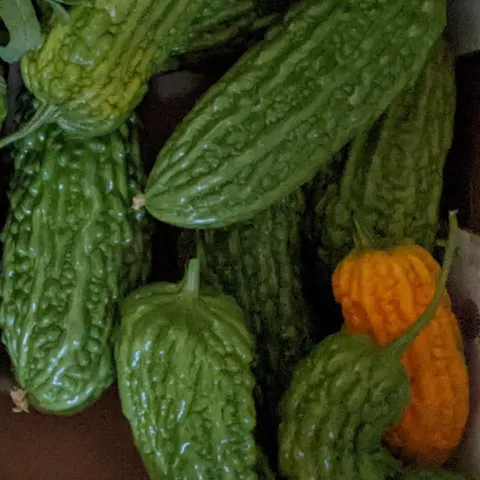
Bitter melon - Eugene Wong
UC Master Gardeners of Santa Clara County: Page

Bitter Melon

Bitter melon is in the cucurbit family and grows on a vine as do other members of this family, such as cucumbers, squash, or melons. Bitter melon is a subtropical plant which will grow best in a warm location with some humidity. The vines can get over 12 feet long, so a trellis or some other support is…
View Page
Primary Image
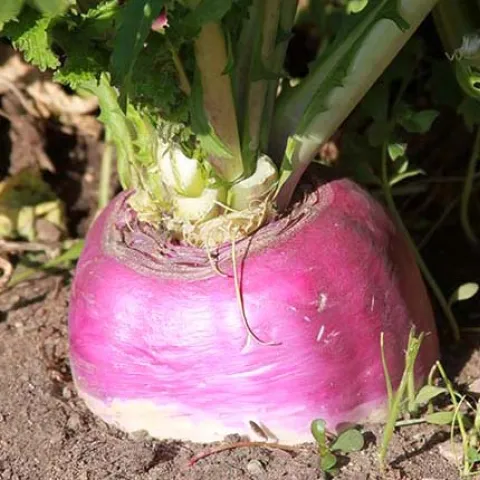
Rutabaga in soil Utah State
UC Master Gardeners of Santa Clara County: Page

Rutabagas

Rutabagas are grown for their large round roots. They are similar to turnips but are larger, slightly sweeter, and take longer to mature. They have yellow skin and flesh. Like other vegetables in the brassica family, they develop their best flavor in cool weather.
View Page
Primary Image
Blue map marker icon
UC Master Gardeners of Santa Clara County: Page

Fall Garden Fair Maps

Fall Garden Fair maps. The Santa Clara County Master Gardener's Fall Garden Fair is a fun educational event for the entire family. Attend talks, tour the gardens, and shop the plant sales.
View Page
Primary Image
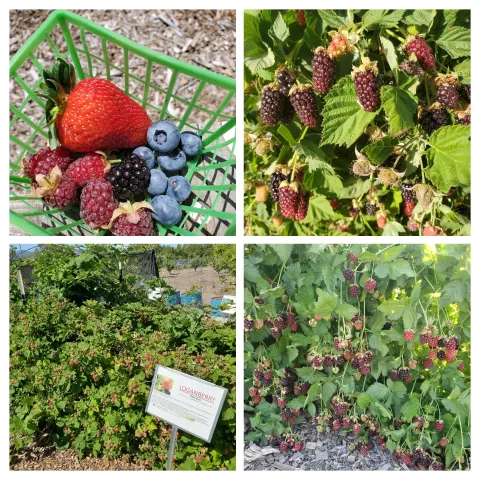
Berry Montage 2023-06 MCP Jim Bell
UC Master Gardeners of Santa Clara County: Page

Garden Collections

The gardens at the Martial Cottle Park demonstration garden in San Jose are divided into various collections with distinct themes and focuses. See descriptions below for details. Click the map to see a larger version with the collections labeled.
View Page
Primary Image
Photo showing the lawn alternative demonstration area at the Palo Alto Demonstration Garden
UC Master Gardeners of Santa Clara County: Page

Lawn Alternatives

The Lawn Alternatives section of the Palo Alto Demo Garden demonstrates new or replacement plantings for conventional high-water-use sod lawns. It includes options such as turf for kids and pets to play on, groundcovers for low-foot-traffic areas, and grasses for creating meadows. The lawn alternatives have…
View Page
Primary Image
UCANR_Cherries
UC Master Gardeners of Santa Clara County: Page

Chill Hours

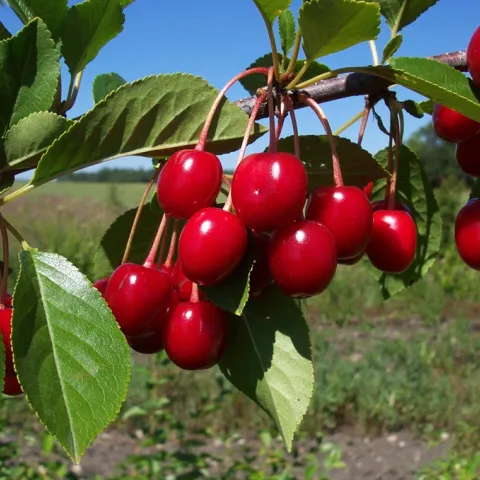
Many fruit varieties require a certain amount of winter cold, measured in chill hours, in order to grow well, set flowers, and produce a good crop. Since the Bay Area no longer gets as much winter chill as it has in the past, older fruit trees may not be as productive as they have been in the past.
View Page
Primary Image
SMall chalkboard with he words "Gardening Tips" handwritten on it
UC Master Gardeners of Santa Clara County: Page

All Gardening Tips

From the Master Gardeners of Santa Clara County, this page lists all of our gardening tips, sorted alphabetically by title. To view lists of tips by month or topic, visit our Tips & Events web page.
View Page