A Natural Solution for California's Herds: African Catfish Peptides

California's cattle producers and agricultural communities are all too familiar with the rising challenge of antibiotic resistance, making common bacterial infections harder to treat in livestock. But imagine a future where we could tackle these infections with a natural, powerful alternative. Our research points to just that: antimicrobial peptides (AMPs) found in African catfish.

We're really excited about these peptides because African catfish thrive in pathogen-rich freshwater, naturally producing these robust immune compounds in their skin mucus as a defense. This natural origin makes them highly appealing alternatives to synthetic drugs.

Predicted Safety and Potent Action

One of the most compelling aspects of these AMPs is their predicted safety for mammals. Our initial computer analyses suggest that various catfish AMPs are generally recognized as safe (GRAS). We predict they'll be absorbed in the human intestine without causing liver, brain, or heart toxicity. Furthermore, lab tests on a promising peptide, NACAP-II, confirmed it was non-hemolytic, meaning it didn't damage rabbit red blood cells—a strong indicator of its potential safety for mammalian cells.

Beyond safety, these peptides demonstrate effectiveness against problematic bacteria. One study revealed NACAP-II's strong activity against Extended-Spectrum Beta-Lactamase (ESBL)-producing Escherichia coli—a critical concern for both animal and human health due to its resistance to many common antibiotics. Another peptide, ACAP-IV, also showed antibacterial activity against E. coli and Staphylococcus aureus. We believe these AMPs work by directly disrupting bacterial cell membranes, a mechanism that makes it harder for bacteria to develop resistance compared to how they resist traditional antibiotics.

Site

ANR Survey System Help

The Survey Registration and Payment tool is a versatile system that can be used to fit many needs. Common uses for the survey tool range from registration forms utilizing Credit Card payments to complex information acquisition forms. You must be logged into your UCANR Portal.
View Site
Wolfskill Experimental Orchards I
Site

Wolfskill Experimental Orchards

"The Wolfskill Experimental Orchards are a research treasure," says Professor Ted DeJong, a University of California pomologist and the Orchard's director.
View Site
Eskalen lab
Site

17th Meeting of ICVG

Thank you for attending the 17th Meeting of ICVG. Right click on the link below and choose "Save link as" to download a high resolution, printable version of this photo: 17th Meeting of ICVG Group Photo - TIFF formatThe ICVG is a non-profit scientific organization founded in 1964.
View Site
Indian Valley
Site - County Office

UCCE Plumas-Sierra

The University of California Cooperative Extension office for Plumas and Sierra Counties is part of a statewide system that makes research-based information available to the general public, local agencies, and other organizations.
View Site
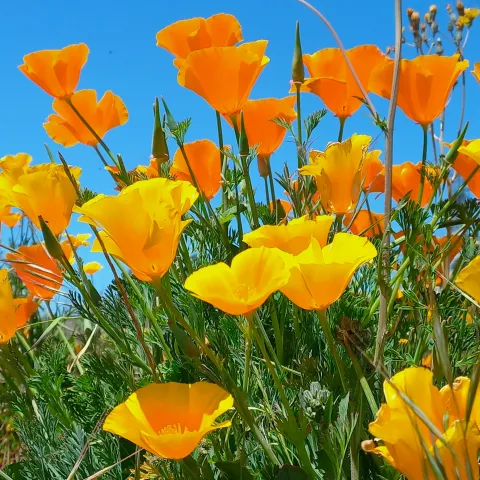
CA Native Poppies, Orinda Oaks Open Space Preserve, Photo by HedwigVDB
Site

UC Master Gardener Program of Contra Costa County

SPRING IS IN FULL BLOOM, AND SO IS OUR WEBSITE! With the excitement of the Great Tomato Plant Sale behind us and the season still in full swing, now’s the perfect time to dig into our newly refreshed website. Discover expert gardening advice, hands-on classes, engaging webinars, beautiful demonstration…
View Site
Page

Flood information

Experts | Information UC ANR Flooding Fact Sheet Flood preparedness from FEMA National Flood Insurance Program flood maps and resources USGS flood maps and flood resources California Office of Emergency Services flood resources California Flood Preparedness from the Department of Water Resources Ext...
View Page
Page

2016 Proven Solutions to Drought Stress Workshop

Water and Drought Information | Experts The workshop Proven solutions to drought stress: Water management strategies for perennial crops with limited and impaired water supplies was held January 12-13, 2016 in Modesto, California.
View Page
Page

Suitability of alfalfa for winter groundwater recharge

Summary: Californias groundwater has been stressed, most recently by hard-hitting drought. One proposed solution for recharging aquifer is agricultural groundwater banking. Using this approach, farmland is flooded during the rainy winter season to recharge the underlying groundwater.
View Page
Page

Fish habitat response to streamflow augmentation

Summary: Declining water levels can degrade or eliminate fish habitat during Californias dry summer season, particularly as water is diverted for other needs. Storing water off-channel during the rainy season can help reduce demands on instream flows in the dry season.
View Page