A Natural Solution for California's Herds: African Catfish Peptides

California's cattle producers and agricultural communities are all too familiar with the rising challenge of antibiotic resistance, making common bacterial infections harder to treat in livestock. But imagine a future where we could tackle these infections with a natural, powerful alternative. Our research points to just that: antimicrobial peptides (AMPs) found in African catfish.

We're really excited about these peptides because African catfish thrive in pathogen-rich freshwater, naturally producing these robust immune compounds in their skin mucus as a defense. This natural origin makes them highly appealing alternatives to synthetic drugs.

Predicted Safety and Potent Action

One of the most compelling aspects of these AMPs is their predicted safety for mammals. Our initial computer analyses suggest that various catfish AMPs are generally recognized as safe (GRAS). We predict they'll be absorbed in the human intestine without causing liver, brain, or heart toxicity. Furthermore, lab tests on a promising peptide, NACAP-II, confirmed it was non-hemolytic, meaning it didn't damage rabbit red blood cells—a strong indicator of its potential safety for mammalian cells.

Beyond safety, these peptides demonstrate effectiveness against problematic bacteria. One study revealed NACAP-II's strong activity against Extended-Spectrum Beta-Lactamase (ESBL)-producing Escherichia coli—a critical concern for both animal and human health due to its resistance to many common antibiotics. Another peptide, ACAP-IV, also showed antibacterial activity against E. coli and Staphylococcus aureus. We believe these AMPs work by directly disrupting bacterial cell membranes, a mechanism that makes it harder for bacteria to develop resistance compared to how they resist traditional antibiotics.

UC Master Gardener Program of Contra Costa County: Article

Editorial Notes

March 6, 2023
The Earth does not belong to us; we belong to the Earth. Chief Seattle What is certain however is that each and every effort in fighting climate change counts and the UC Master Gardeners of Contra Costa County are here to help you achieve positive results using more sustainable garden practices.
View Article
Primary Image
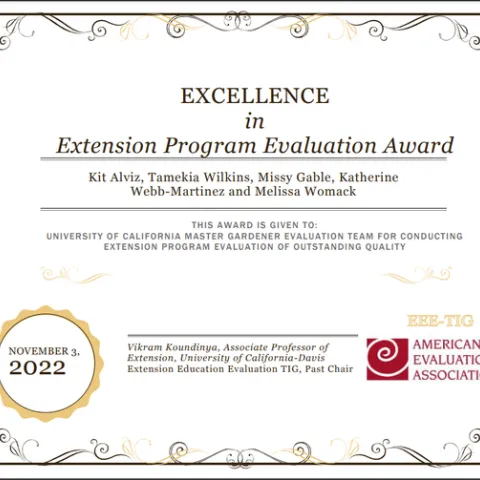
AEA Award certificate
Coordinator News: Article

National American Evaluation Association Award

March 6, 2023
By Missy Gable
The Extension Education Evaluation Award is awarded for an evaluation of outstanding quality. This team has established the gold standard to improve Extension program evaluation and provide accountability for public funds invested in the UC Master Gardener Program.
View Article
UC Master Gardener Program Statewide Blog: Article

Is Your Garden Ready for Spring? - March Gardening Tips

March 6, 2023
By Skylar Peters
Happy March! The days are starting to get longer, which means the spring gardening season is about to begin. As temperatures begin to warm, it's the perfect time to start tackling tasks in the garden.
View Article
Primary Image
Photo by Andrea Peck
UC Master Gardeners- Diggin' it in SLO: Article

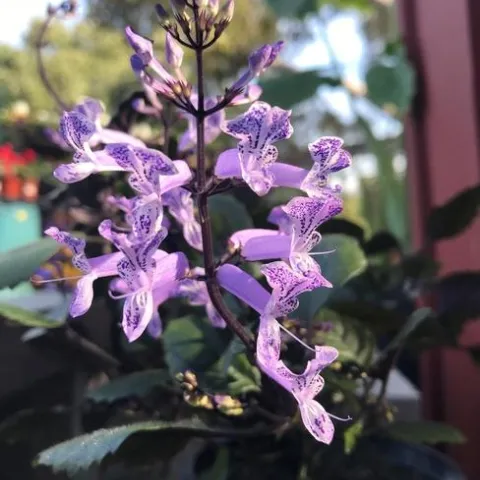
Mona Lavender

March 6, 2023
Mona Lavender By Andrea Peck UCCE Master Gardener Common name of plant: Lavender Spur Flower, Mona Lavender, Swedish Ivy Scientific name: Plectranthus 'Mona Lavender' Planting area: perennial in USDA zones 9-11 Size: 1'-2' tall and wide Bloom season: fall to spring Exposure: shade to partial sun Pru...
View Article
Primary Image
fire ant 3
Topics in Subtropics: Article

Fire Ants Come to CA Avocado

March 6, 2023
By Ben A Faber
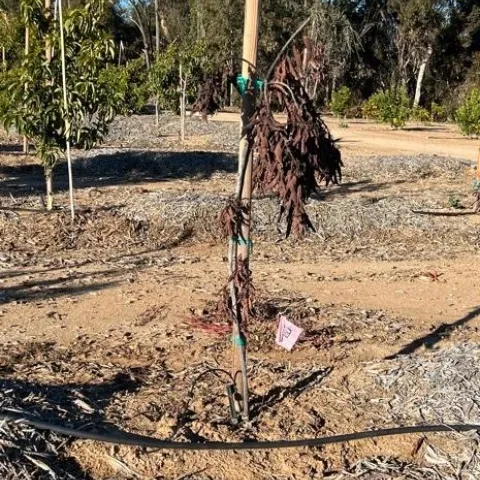
Red imported fire ant (RIFA), Solenopsis invicta, has been reported as a pest in Florida where the fire ants girdle young citrus trees (Diepenbrock) https://crec.ifas.ufl.edu/media/crecifasufledu/extension/extension-publications/2021/2021_jan_fireant.
View Article
Primary Image
Photo of plants for sale
HOrT COCO-UC Master Gardener Program of Contra Costa: Article

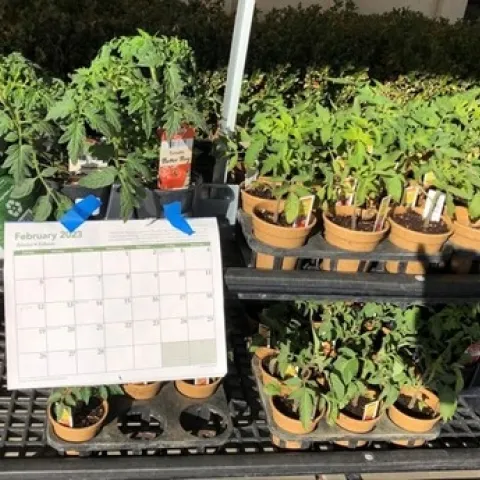
It's Time to Plan Your Summer Tomato Crop

March 6, 2023
By Help Desk Team
It is not unusual to find tomato seedlings for sale in local nurseries and big box stores as early as February or March. Don't make the mistake of rushing to plant them in your garden.
View Article
Primary Image
3
Spill the Beans: Article

Late Winter Pruning

March 6, 2023
By Melody Kendall Late-winter pruning in the Las Flores Learning Garden's Low-water/low-maintenance garden has recently been completed at the Las Flores Community Center property, home of UC Master Gardeners of Napa County's botanical teaching garden.
View Article
Primary Image
Responsibilities for each partner in the California Conservation Planning Program: CDFA, NRCS, UC ANR and CARCD.
ANR Adventures: Article

ANR's Role in Conservation

March 5, 2023
By Deanne Meyer
Yet another incredible week of weather! Blizzards last week in southern California and the Sierra Nevada mountain range made for tough travels and snow bound families. More winter weather this weekend and early in the week has many peoples' patience worn thin.
View Article